Final Fantasy (FIN) Limited Review — Black

Note: This article was translated from Chinese by AI and may contain errors. Read the original Chinese version.
FINAL FANTASY (FIN) will hold its prerelease events on June 6, 2025. Want to know more about individual card ratings and recommendations in Limited? Then check out this series of FIN Limited reviews!
- For the mechanics overview, see this article: FINAL FANTASY Mechanics Explained
Grading Scale
5.0: Unconditional first pick, brings a nearly game-winning advantage
4.5: Unconditional first pick if the colors are right, brings a major advantage
4.0: Worth a first pick, synergizes extremely well with the color pair’s theme, and can be the deciding card for splashing/switching colors or moving into the color pair
3.5: The set’s top uncommons and commons and other sufficiently strong standalone cards, synergize well with the color pair’s theme, and can be the key card for moving into the color pair
3.0: Important standalone cards for the color pair’s theme and other above-average standalone cards, you will want them in your final deck
2.5: Average, usually a decent curve filler
2.0-1.0: Below average, generally leaning toward not playing; can be used as filler when necessary, but not too many
0.5-0.0: Unplayable, basically never play it, it will only help you lose
Ratings

Score: 2.5
Comment: Although it has flying and deathtouch, a 2/2 body is still too bad. The cost of three mana plus eating a creature or artifact to draw a card is a bit high, and it barely works as a three-mana curve filler.

Score: 3.0
Comment: The creature-dies lifedrain that almost every set has, this time with the addition of draining when an artifact dies too. The body isn’t bad either, and when your own Saga creature sacrifices itself you can drain the opponent along the way.

Score: 4.5
Comment: It gives Demons haste, lifelink, and menace, and at the beginning of combat each turn you can exile a creature from a graveyard to have it enter as a 5/5 Demon copy, so the opponent quickly won’t be able to keep up with our board. The 0.5 deducted is because eight mana is a bit too high, and there is a chance it gets stuck in hand uncast.

Score: 2.0
Comment: The token made on entering will be a 2/1 once equipped, and the Equipment costs three mana yet only gives a creature +1/+0, so the gain in creature trades is limited. The attached direct damage on casting a noncreature spell has limited payoff in Limited formats dominated by creature combat, and there should be better choices.
Score: 4.0
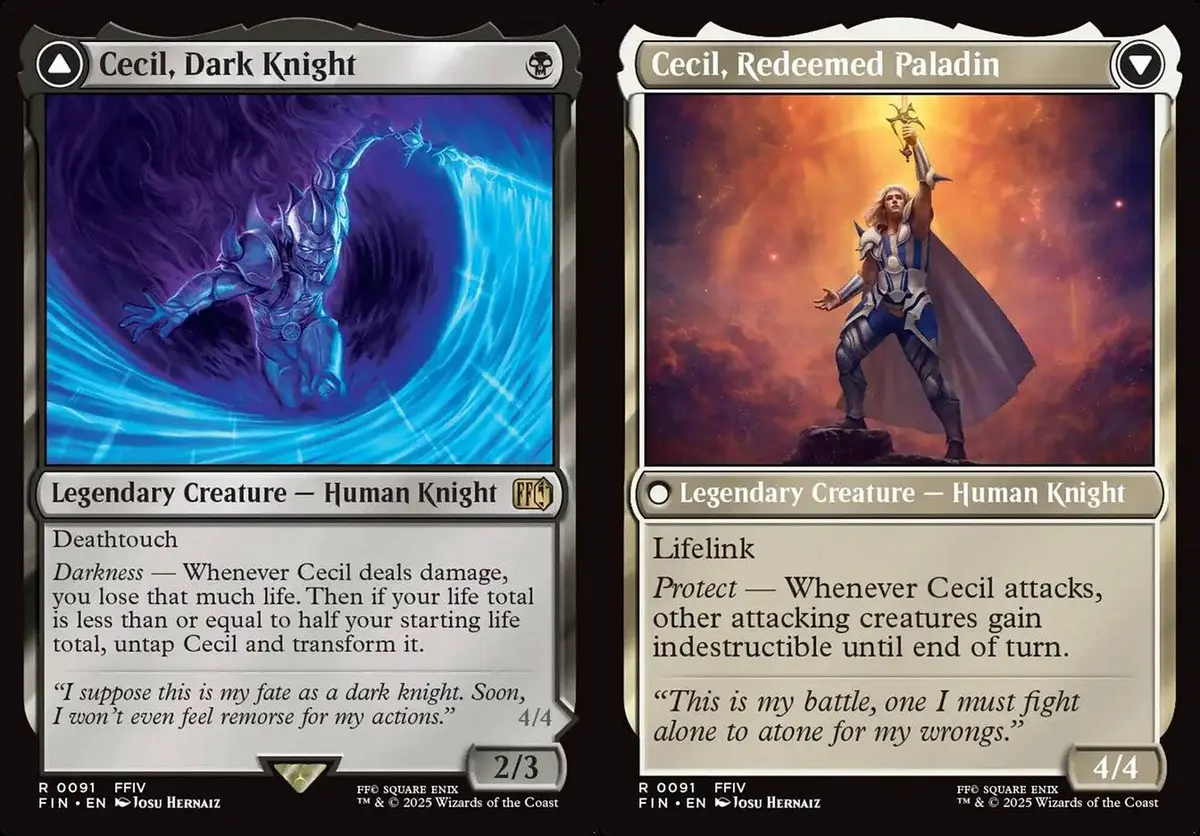
Comment: For a one-drop the body is really very good, and having deathtouch means in creature trades it can at least trade one-for-one with the opponent’s creature, so attacking or blocking never loses value. Costing us life after dealing damage is no small side effect, but it also helps it transform faster, and after transforming, lifelink pulls our life total back, and attacking with it also gives all our other attacking creatures indestructible, a big advantage in Limited formats dominated by creature combat.

Score: 3.0
Comment: A plain-and-simple draw two lose two. Although it can’t filter the top of the library, the 0/1 it gives you is okay. Pumping your Wizards and giving them lifelink for a turn gives you a chance to directly gain back the life you lost, and if you drain, it is nearly four mana to draw two cards and also make a creature. With the Wizard theme it is very strong, being both a team-wide boost and a means of drawing cards.

Score: 2.5
Comment: Three mana to let the opponent choose a creature to sacrifice is a bit hard to use, since it is hard to kill the target creature we want to remove, and that 0/1 creature is just a freebie.

Score: 0.5
Comment: A 2/1 body without any evasion can’t race the opponent, and the pain effect of putting it in your deck far outweighs the effect of drawing a card. Plus this set has a lot of expensive cards, so it will burn you to death before the opponent even needs to hit you. Not recommended; the only one who would want this card in your deck is your opponent.

Score: 3.0
Comment: The token made on entering will be a 4/1 once equipped, and when equipped the Equipment gives the creature +3/+0, easily breaking through this set’s 4-toughness creatures. Equipping costs 3 life, which is very painful, but giving it to a creature with evasion to attack and race life should be fairly efficient.

Score: 4.5
Comment: Reducing all your black spells by 1 mana is extremely powerful, giving you a chance every turn afterward to cast multiple spells for an explosive development. The opponent’s nontoken creatures that die are exiled by it and gain you 2 life, so the opponent can’t casually trade a bunch of small creatures with you to race life. After six mana you can start turning the opposing creatures it exiled into yours, also putting two +1/+1 counters on it, and the tempo and advantage its ceiling can bring are enormous.

Score: 3.5
Comment: A 3/3 for two mana is plenty as an early blocker, and giving it any counter lets it attack past defenders. It comes with an activated ability to pay six mana for two +1/+1 counters, so it can become a 5/5 menace and beat down by itself, and the ability has no restrictions: as long as you have the mana, you can activate it as many times as you like, and if the opponent doesn’t remove it they can only watch helplessly as it grows ever bigger. A top-tier black uncommon.

Score: 2.5
Comment: It is only useful when there are creatures in the graveyard, but many Saga creatures in this set sacrifice themselves, and digging a Saga creature back to run through its chapter abilities again is also a good option.
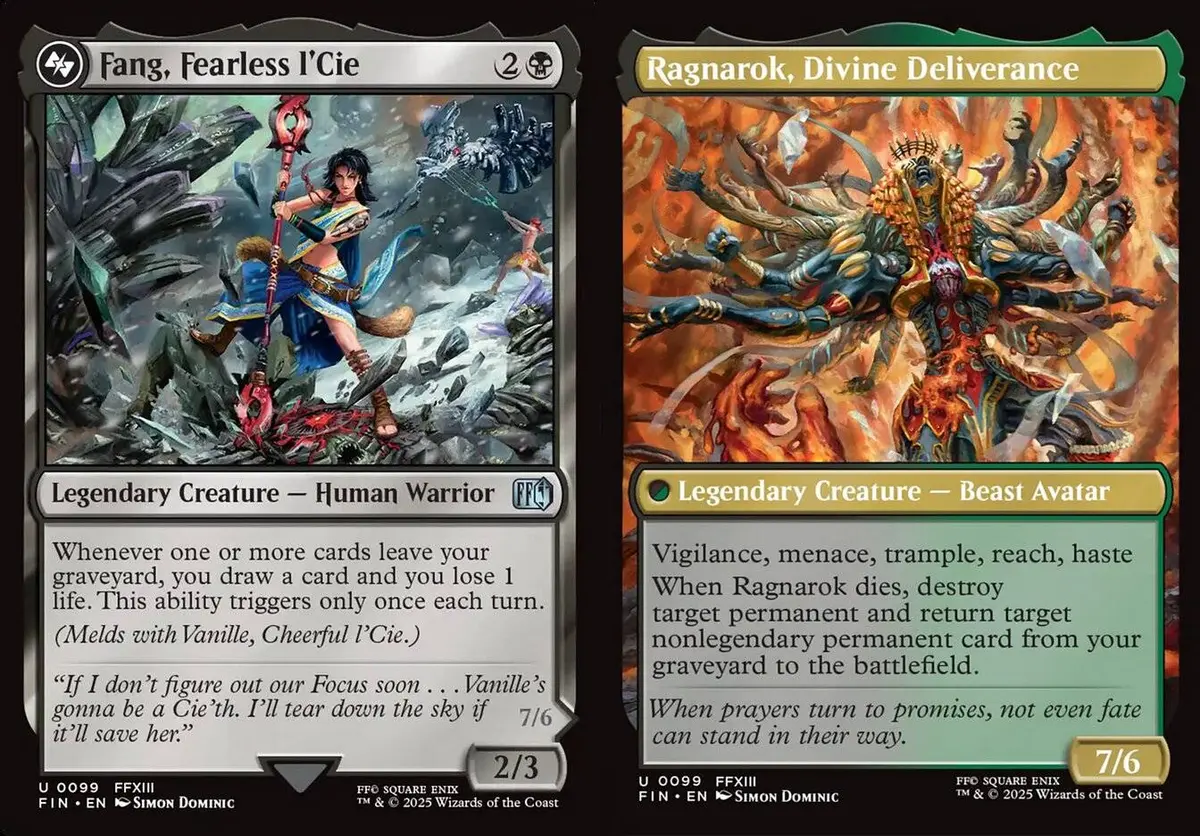
Score: 3.0
Comment: The ability for cards leaving the graveyard needs a few more supporting standalone cards, but this set also has the Magic Pot that can reliably eat the graveyard to go along with it. If it can combine with Vanille it will be super strong: a 7/6 body with five positive abilities that triggers an ability when it dies to destroy a permanent (it can blow up the opponent’s lands too!), plus digs a nonlegendary permanent from your own graveyard back onto the battlefield. Whether or not it gets removed, it will give the opponent a big headache.

Score: 2.5
Comment: Three mana to return up to two creatures to your hand, with a chance of a two-for-one. The timing of use is very flexible. When the opponent finally manages to remove your creature, only to watch you drop this on their turn and bring the creature back next turn, they should be pretty devastated.

Score: 3.0
Comment: Four mana for two 2/2s is okay, and if cast with flashback it makes as many 2/2s as there are creatures in your graveyard, so the later it is the higher the ceiling. But note that the tokens that are created enter tapped.

Score: 3.0
Comment: On entering, choose one of three to have both players sacrifice, basically trading one-for-one with the opponent, and a 3/2 body is also serviceable. Pay particular attention that this creature is legendary, so under normal circumstances don’t bring in a second one and mess yourself up.

Score: 2.0
Comment: An ordinary curve filler; after discarding on entering, it can be fed to other sacrifice effects.
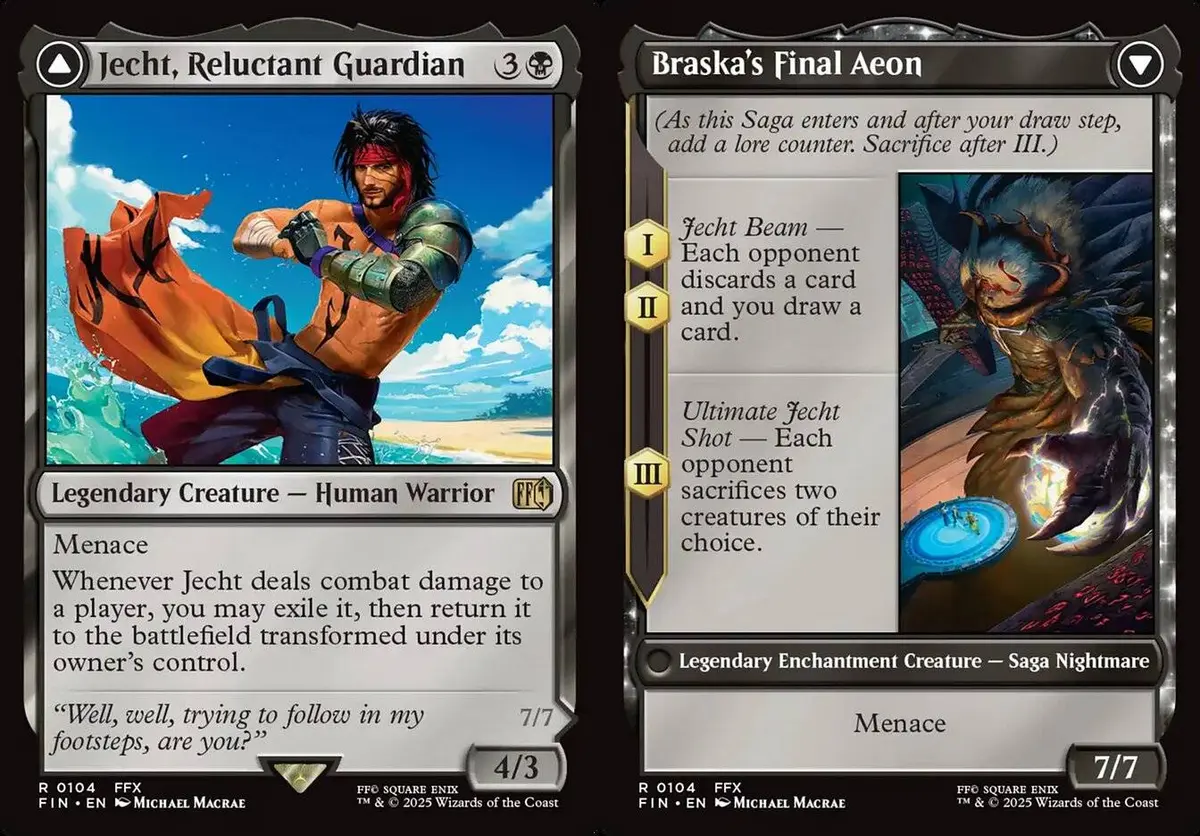
Score: 4.5
Comment: It has a solid body with menace, and is fairly easy to transform. After transforming, the first and second chapters are each opponent discards one, you draw one; each trigger is a back-and-forth that creates a two-card difference, and the final chapter making the opponent sacrifice two creatures is extremely powerful, with a ceiling of trading one for six. Not to mention that after transforming its body grows to 7/7 with menace too, so if you hit the opponent both before and after transforming, half their life is gone. A thoroughly legitimate super bomb.

Score: 3.5
Comment: A 2/4 body that can serve as a blocker without attacking. Combat damage it deals is forcibly handed over to the opponent, then you lose life to draw cards and make Treasures. The concept is roughly that you hit both sides, then give the creature to the opponent and earn resources for yourself, which suits black’s flavor perfectly. If both sides keep using this creature to hit each other, both life totals will fall extremely fast. Because the original owner starts earning first, there is a tempo advantage, letting you develop a turn ahead of the opponent. Attacking with combat tricks or Equipment can earn a big wave of cards and Treasures, but be careful not to hurt yourself so much that you kill yourself too.

Score: 3.0
Comment: A 4/4 for six mana is slightly underwhelming, but its enters ability makes up for much of the disadvantage in body. Discarding a card and dealing 2 damage to the opponent is quite a lot of damage, especially late in the game when you have few spare cards in hand. Exiling the top three cards of the opponent’s library basically has no synergy and is just messing with the opponent’s head XD. Drawn early it can cycle into a land so you don’t get stuck, and it is also well suited to being dug back mid to late game with Evil Reawakened, a decent filler.

Score: 2.5
Comment: On entering, pay 1 life to convert into a Treasure, effectively making it cost just three mana to put this creature out, and the Treasure can later be used to accelerate or fed to an attack-triggered ability to surveil 2.

Score: 4.0
Comment: The token made on entering will be a 2/2, and the Equipment only costs two mana to equip. After equipping, in addition to +1/+1 for the creature, hitting the opponent lets you loot, and makes the opponent lose life equal to the mana value of the discarded card. While looting it also deals extra damage, which is excellent in Limited.

Score: 3.0
Comment: Its range is wider than ordinary hard removal, and being able to deal with creatures that have indestructible is very rare.

Score: 3.0
Comment: A Vehicle with built-in trample that keeps growing. If it can keep becoming a creature to attack, the pressure it provides is huge. It can eat Saga creatures that would sacrifice themselves anyway upon reaching the final chapter, squeezing out their last drop of value.

Score: 2.5
Comment: A small sweeper for just two mana that can be fired off unexpectedly after combat. Being able to choose whether to discard a creature or an artifact is also nice, and this set has a lot of Equipment, so it shouldn’t often fizzle.

Score: 3.0
Comment: On entering it can kill a creature that was damaged this turn, or exile two cards from a single graveyard. Low cost and combining a kill or graveyard hate effect, it is very flexible.

Score: 3.0
Comment: Built-in menace makes it easy to trigger its own ability. After hitting the opponent, it exiles the top card of the opponent’s library, and then you decide whether to sacrifice a creature or artifact to use it, and you can even play a stolen land. A fairly good card advantage engine.

Score: 2.0
Comment: It is simply a Strategic Planning. The upside is that when you really have nothing to do late in the game you can flashback it from the graveyard for another use, but seven mana is also quite expensive.
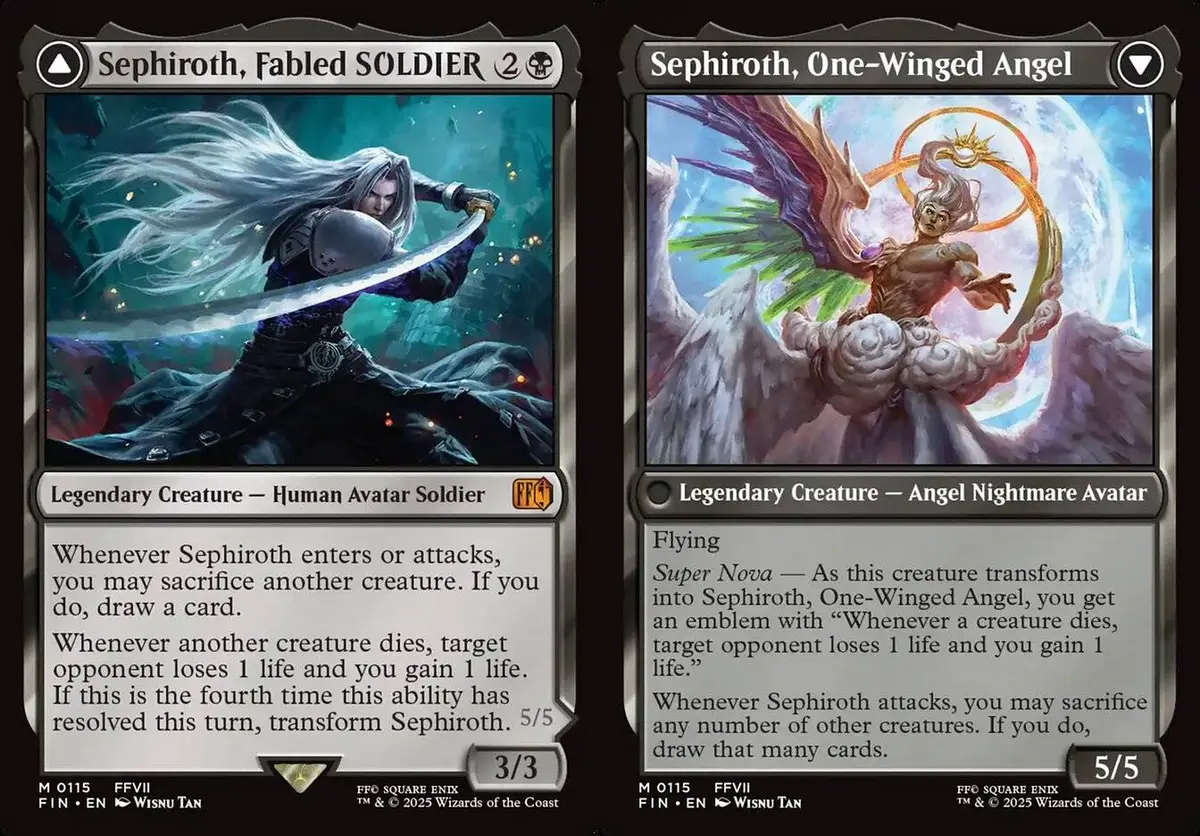
Score: 3.5
Comment: On entering or attacking, you can sacrifice your own creature in exchange for a card in hand, and any creature dying on the battlefield drains the opponent. If the drain effect triggers four times in the same turn, it transforms. The transform condition is actually a bit harsh: unless there is a sweeper or you force the opponent into creature trades with us, four creatures dying in a single turn is not easy. Once it successfully transforms it is very advantageous: the 5/5 flying body is a real threat, and you get an emblem that drains whenever any creature dies, and afterward every time it attacks you can eat creatures you have no use for to draw cards, refilling your hand while also draining the opponent.
Editor’s note: If you successfully transform Sephiroth, feel free to play FFVII REMAKE: 片翼の天使 ー再生ー

Score: 2.5
Comment: A four-mana hard removal. Although it has an extra life gain effect, it is much clunkier than ordinary hard removal costing 1 more mana.

Score: 2.5
Comment: A 3/3 body for three mana is acceptable, but it enters tapped and can’t join combat right away. From the graveyard, casting a noncreature spell costs 1 mana to dig it back, and digging it back even puts it in your hand, requiring another three mana to bring it out again. It feels like the tempo falls far behind the opponent, and it barely works as sacrifice fodder.

Score: 2.0
Comment: Gaining 3 life on entering is quite a lot, and milling three cards is decent depth, so it can be used with graveyard-related themes. If you have a lot of graveyard-related cards, consider running a few more.
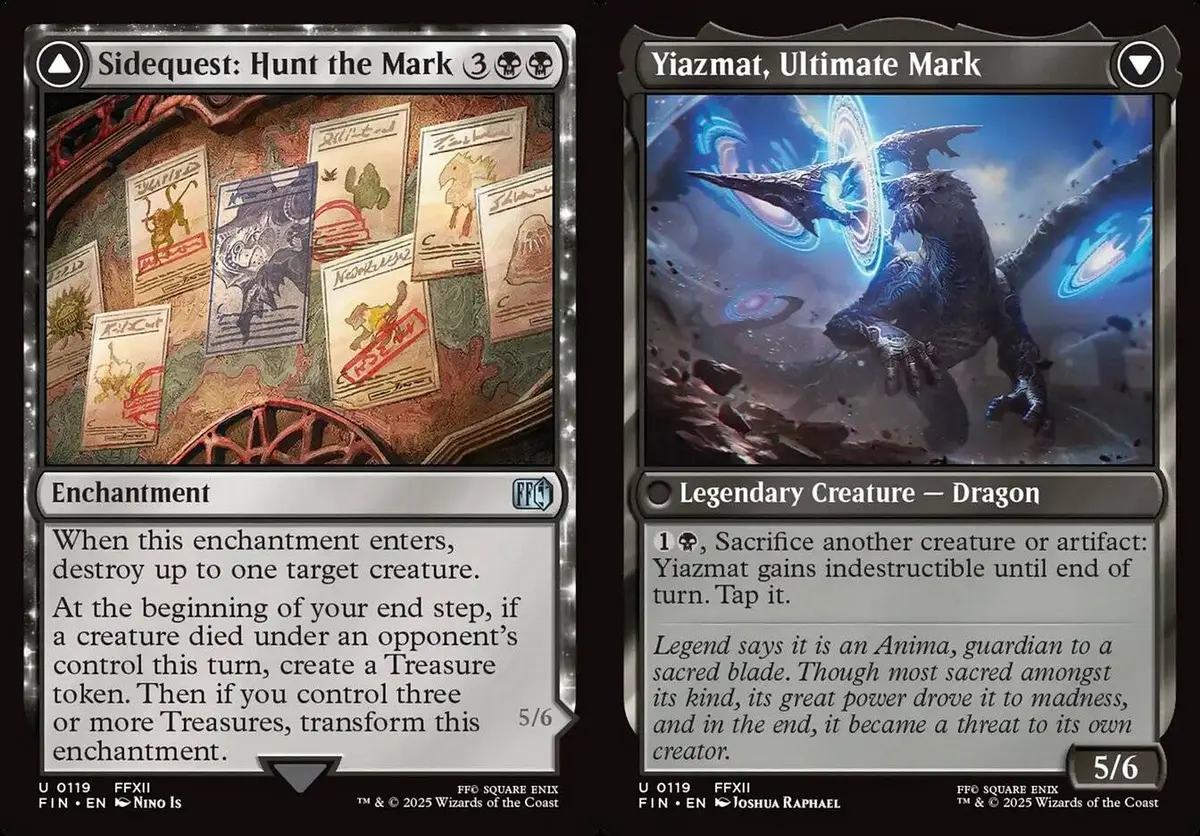
Score: 3.0
Comment: The enters effect is a one-shot hard removal, and at end of turn it gives you a Treasure back. Afterward, if an opponent’s creature dies on your turn, you also make a Treasure at the end step, somewhat like reducing the cost of all your kill spells by 1, and it also makes the opponent consider whether to trade creatures with you and let you make Treasures. If you accumulate three or more Treasures it transforms into a creature, and a 5/6 body can fight quite well. Paying two mana and sacrificing a creature or artifact (the Treasure made earlier) makes it indestructible for a turn, a big advantage in creature combat.

Score: 3.5
Comment: The first three chapters each make you draw one and lose one, and the final chapter makes the opponent sacrifice a creature and lose 3 life. If all chapter effects resolve successfully, that is the equivalent of drawing three cards, removing a creature, and dealing 3 along the way, opening up a huge resource gap. The 4/4 body with menace is also good, and since the Saga has more chapters it can live one more turn on the battlefield and has a chance to connect with one more hit. As both a card advantage engine and a solid creature threat, it is a pretty strong uncommon creature.

Score: 3.5
Comment: The first chapter is a one-shot hard removal, guaranteeing a one-for-one just on entering. The second chapter is super cool, actually an effect that kills the player when it connects, forcing the opponent to block it or remove it or else they lose outright. A 5/3 body also has an advantage in creature trades, and the final chapter has you draw two and everyone loses 2, which is very helpful in the mid to late game when hands are nearly emptied.

Score: 1.5
Comment: It enters with a stun counter and can only start attacking two turns after it is brought out, which is very slow in tempo. It only has deathtouch and first strike on your own turn, and on the opponent’s turn it is just a vanilla 2/1, a completely offense-oriented card. Fine if slammed down early, but you definitely never want to draw it in the mid to late game.

Score: 2.5
Comment: A solid, middle-of-the-road filler. Getting a Treasure back when it dies is nice, and it can be used to accelerate or combined with other sacrifice effects.

Score: 3.0
Comment: Without Kicker it costs 1 more than Disfigure, but its ceiling can forcibly remove a big creature at the cost of sacrificing a creature or artifact. If you use a Treasure to pay Kicker, it is close to a one-shot hard removal, and being able to remove even indestructible creatures is a big advantage.
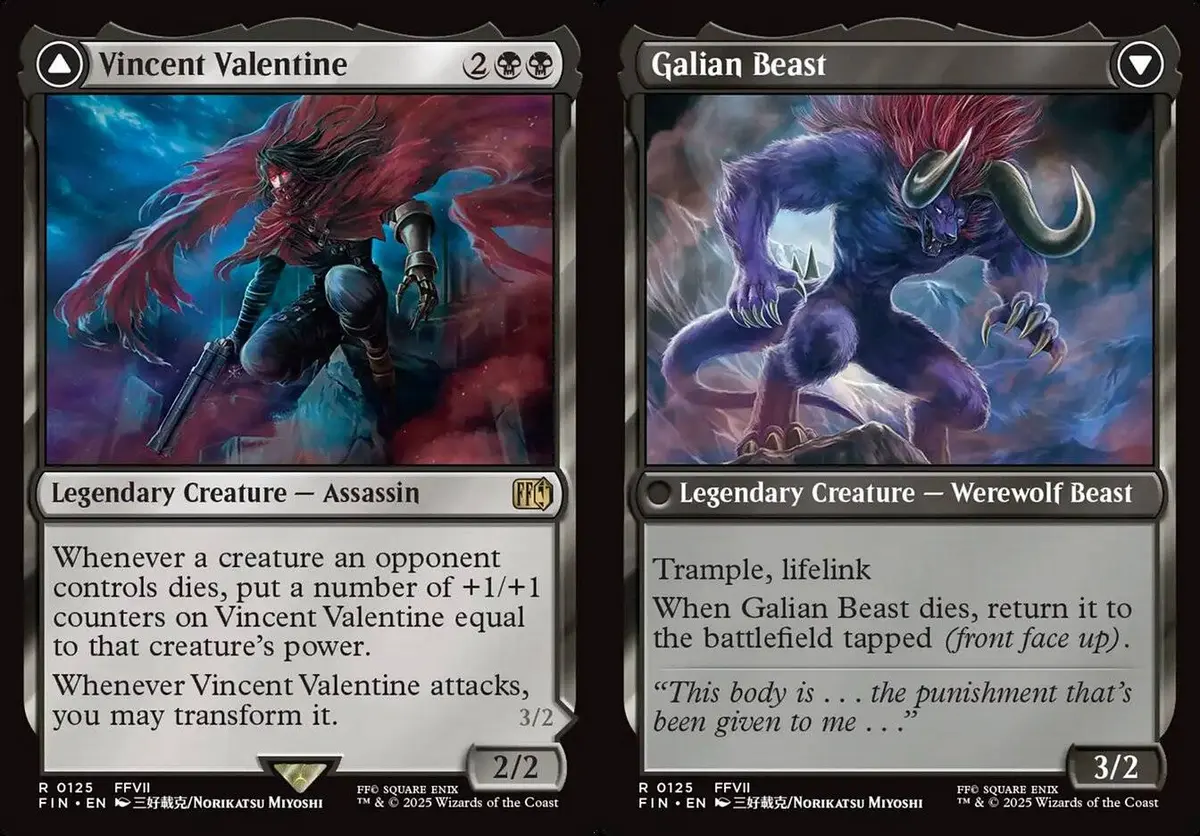
Score: 4.0
Comment: The new generation of hard-to-kill king! When opponent creatures die it starts putting +1/+1 counters equal to that creature’s power, and it can transform as soon as it attacks, hitting harder with trample and lifelink, so the opponent can’t chump block it with small creatures, and at the same time it drains a huge amount for life gain. If it dies while transformed it returns to the battlefield front face up, and next turn it can attack again. Even if it can’t break the opponent’s creature line, gaining 3 life every turn is super disgusting. The drawback is that before transforming it is only a 2/2 and is easily removed by all kinds of kill spells.

Score: 2.5
Comment: A combat trick used for reanimation, very profitable with creatures that have enters abilities, and reanimating a Saga creature lets you run through its chapter abilities again. Note that the size adjustment happens before reanimation, so there is no play of reanimating a small creature to make it bigger.
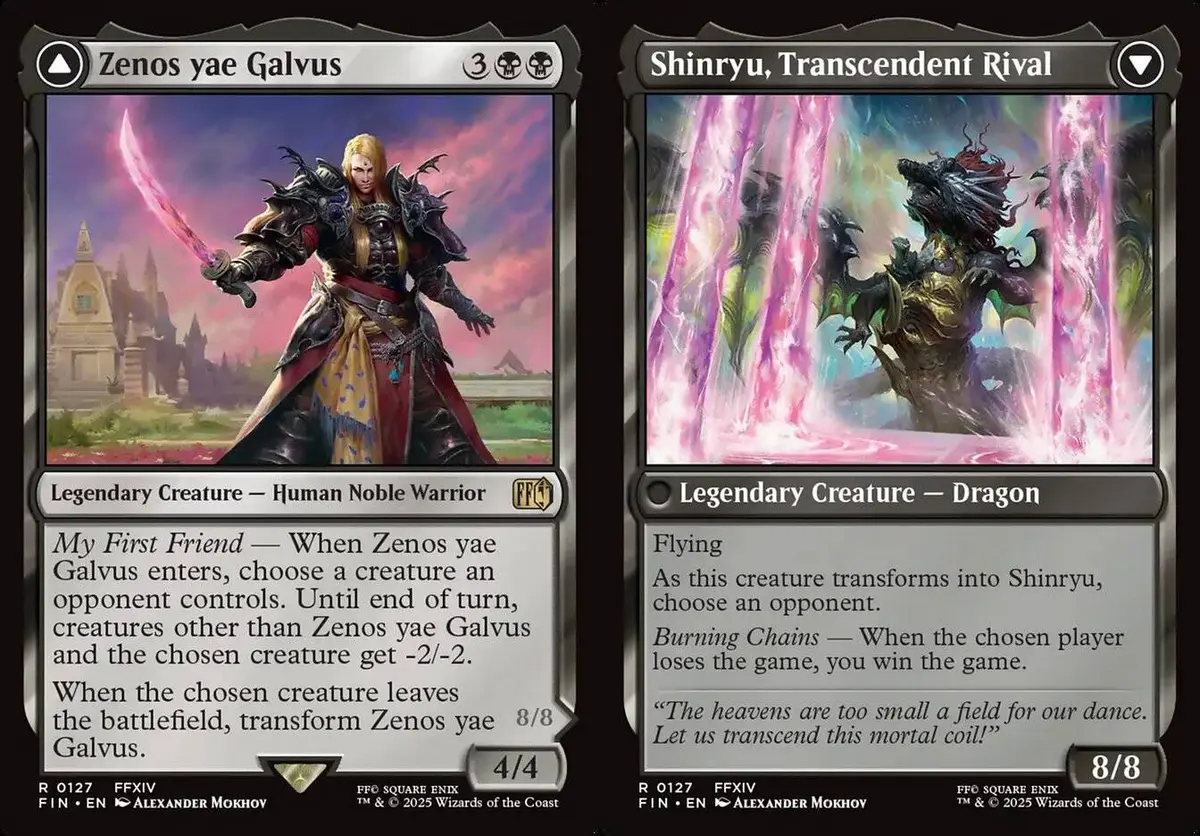
Score: 4.0
Comment: It comes with a -2/-2 mini sweeper on entering, but note it also sweeps your own creatures. When the creature it targeted leaves the battlefield it can transform, becoming an 8/8 flier, and usually a hit or two can end the game.
Editor’s note: After transforming it is just an 8/8 flying Dragon, and the text that follows can be treated as nonexistent in two-player Limited XD

Score: 3.5
Comment: The abandon-ship effect it brings on entering hurts your own creatures too: both sides sacrifice half of their nonGod creatures, but the rounding down is a bit awkward, and if on entering each side has only one other nonGod creature, nothing happens. It has indestructible and is hard to deal with, its own body is a huge 5/5, and each creature sacrificed by either side lets it put a +1/+1 counter on itself and grow, so after a few turns the opponent won’t be able to take it. But the five-black color requirement is still very hard in Limited, so it loses a few points; it is a card that gets stronger the higher the purity of black in your build.
Conclusion
This time black has relatively few early creatures, so when building the early curve it often needs to pair with other colors. But its highlight is its large and varied set of removal options, including outright kills, opponent-sacrifice effects, and -X/-X effects. In addition, most of the high-rarity black cards perform extremely well in Limited, needing no extra support and carrying near-bomb-level threats on their own. Even among commons and uncommons you can find plenty of quality standalone cards that bring steady returns in the mid to late game. As long as you survive the early game, black has a chance to gradually take over the match with these powerful standalone cards.
- Title
- Final Fantasy (FIN) Limited Review — Black
- Author
- Chennel
- Created at
- June 3, 2025
- License
- This work is licensed under CC BY-NC-SA 4.0 .