The Hobbit Mechanics Explained

Note: This article was translated from Chinese by AI and may contain errors. Read the original Chinese version.
Storied
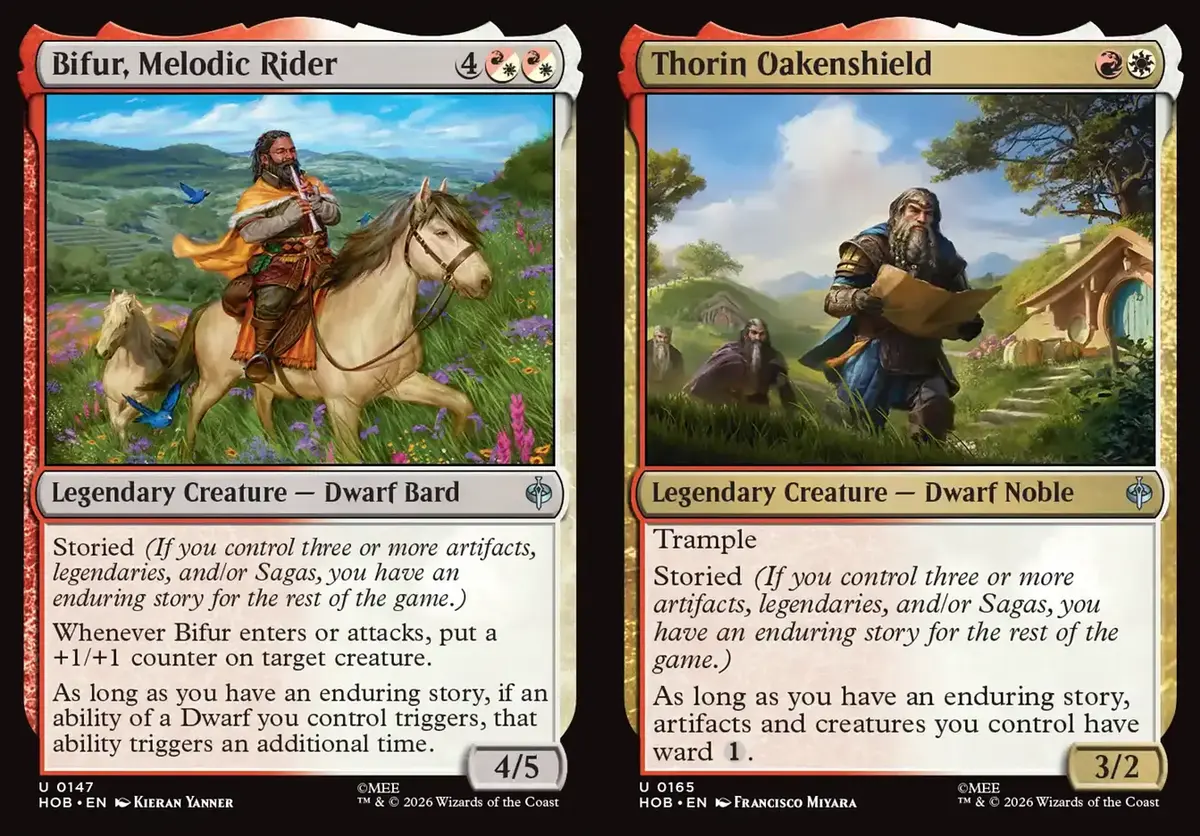
Storied is a static ability. A permanent with storied constantly checks whether you meet the following conditions during the game:
- You control the permanent with storied.
- The number of artifact, Saga, and legendary permanents you control is three or more. PS: This is basically the meaning of historic permanents.
As long as you meet the storied conditions at any single moment, you gain the Enduring Story player designation. Once you have gained the Enduring Story designation, no change in the game will ever make you lose it. Many cards’ effects also change because you have the Enduring Story designation.
Recruit
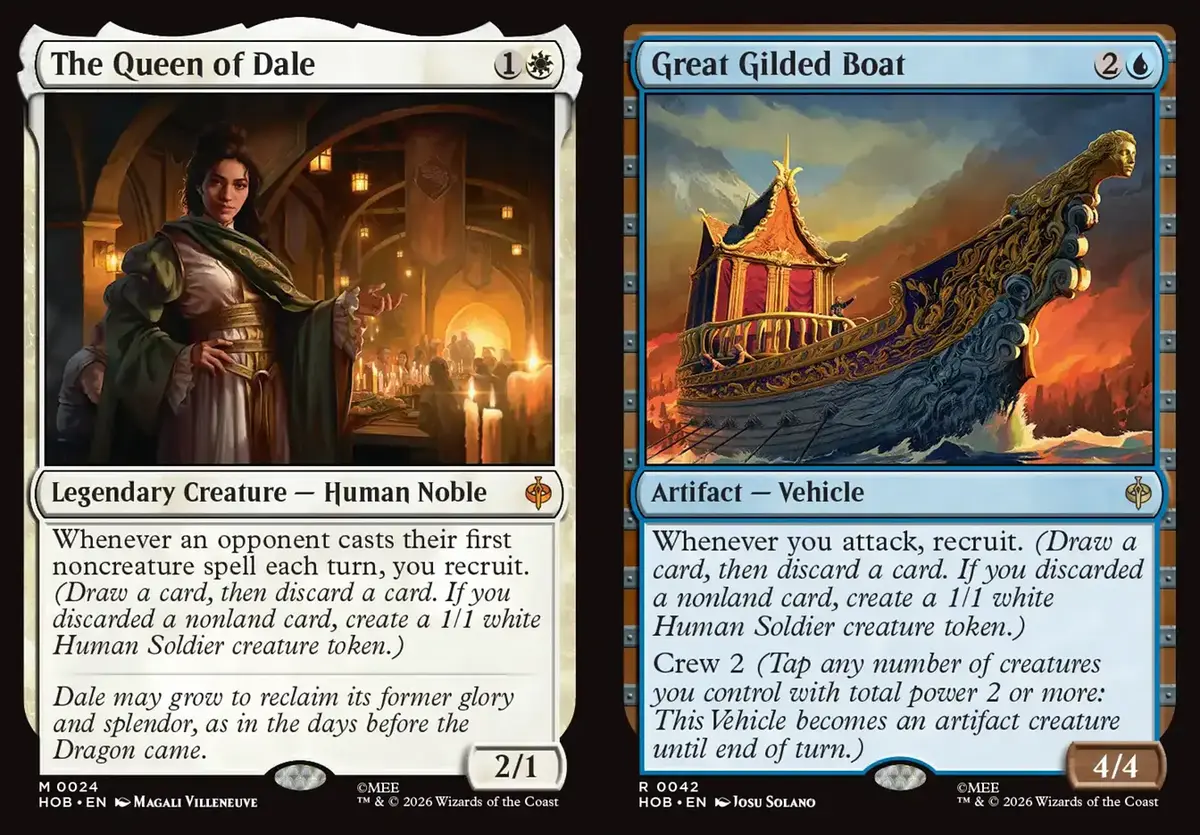
Recruit is a keyword action. When any effect has you recruit, you draw a card and then discard a card. If you discarded a nonland card this way, create a 1/1 white Human Soldier creature token.
Hone Counter
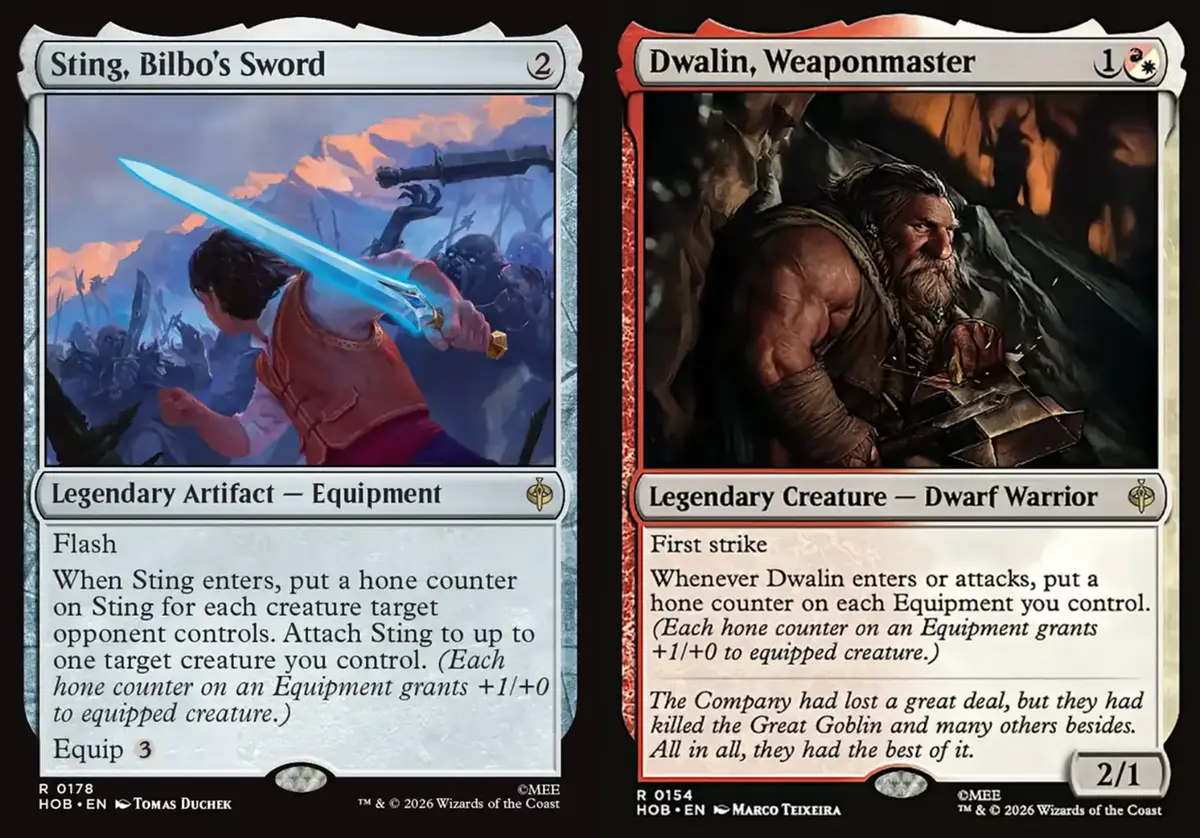
Several cards in this set can put hone counters on Equipment. The effect of a hone counter on an Equipment is: the creature equipped with that Equipment gets +1/+0.
Note that the effects of hone counters stack. If an Equipment has N hone counters, the creature equipped with it gets +N/+0. This power increase comes from the hone counter’s own rules, not from granting an ability to the Equipment.
PS: The existing card Uvilda, Dean of Perfection also uses hone counters in its mechanic. Although the two are unlikely to interact in how they work, it is not yet certain whether any additional handling will be made for using counters with the same name.
Amass
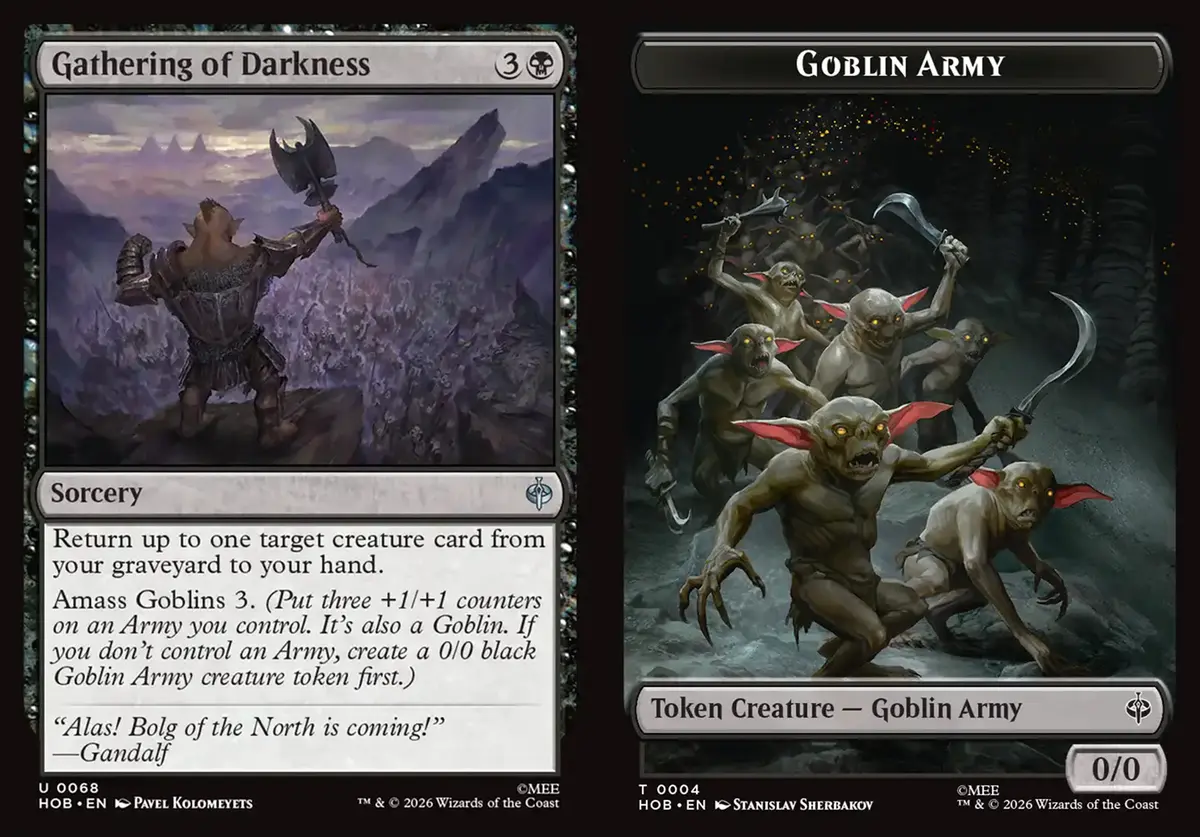
The format of the amass description is: amass subtype N
When you amass, it works as follows: if you don’t control an Army creature, first create a 0/0 black “subtype” Army creature token. Then choose an Army creature you control. Put N +1/+1 counters on that creature. If it isn’t a “subtype”, it additionally becomes that “subtype” type.
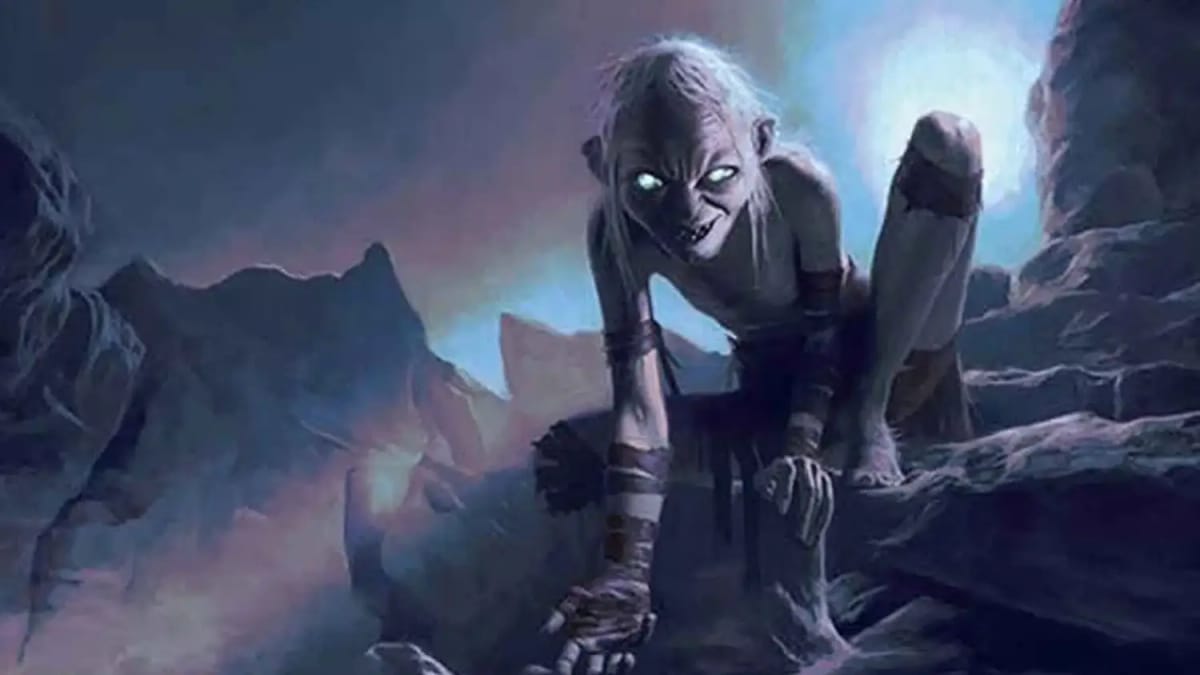
In the case of this example card, its amass subtype is Goblin. Past examples include amass Zombies (Enter the God-Eternals) and amass Orcs (Orcish Bowmasters).
Army is itself a creature subtype, so even if you haven’t amassed before, you may find an Army because you control a Changeling creature. If you control multiple Army creatures at once, you can choose any one Army creature to amass.
PS: Some older cards are printed with “amass N” that doesn’t include a subtype. The rules text of those cards has been errata’d to “amass Zombies N”.
Adventure
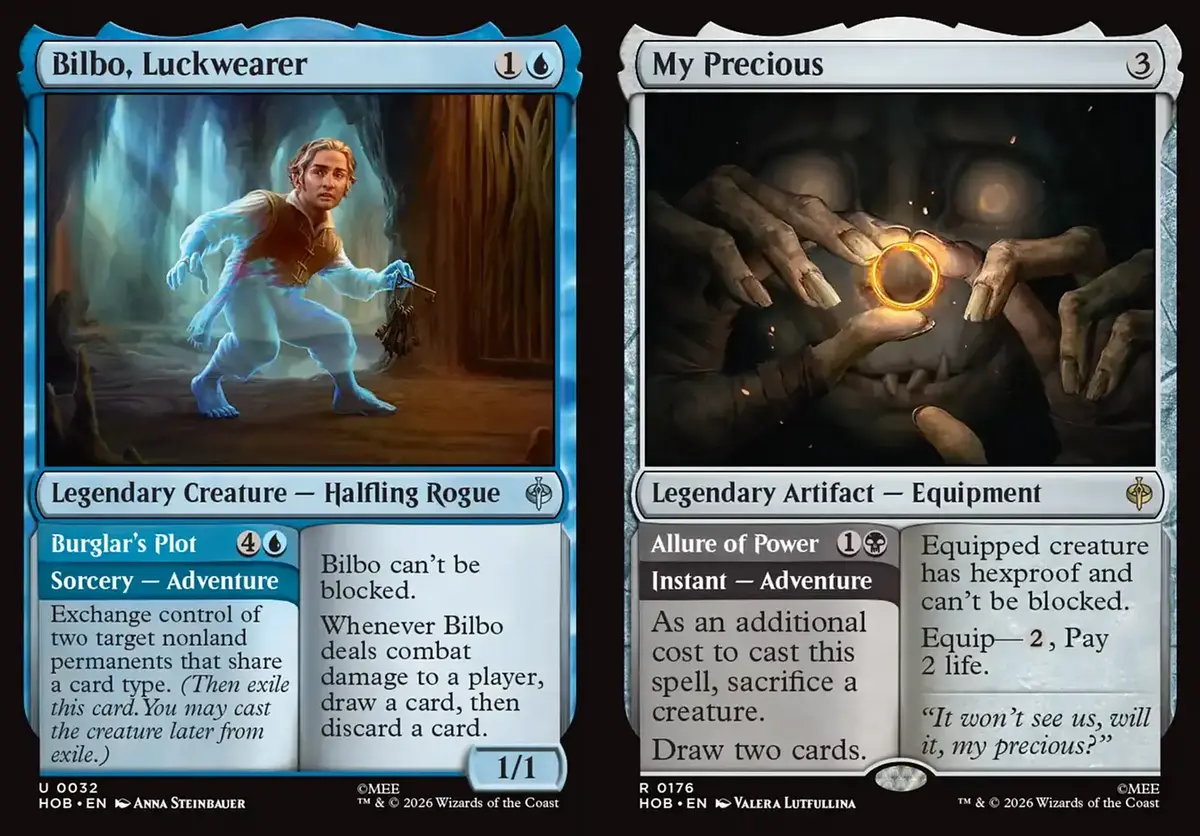
An Adventure card consists of two parts: the permanent part, which is the card itself, and the Adventure (instant/sorcery) part in the lower left corner.
When you play an Adventure card, you can choose whether to use it as a normal permanent or to cast the Adventure instant/sorcery spell. When you choose to use it as a permanent, you can completely ignore the characteristics of the Adventure half, just as if you were playing a normal permanent card.
You can also choose to cast the Adventure spell. It goes on the stack as an instant/sorcery spell with the characteristics specified by the Adventure (name, cost, type, and so on). When that Adventure spell resolves, it doesn’t go to the graveyard but to exile, and afterward, as long as the card remains exiled, you can play the permanent half of the card from exile. Whether you use the permanent half or the Adventure half, you must follow the timing restrictions of that card type.
In addition, an Adventure card in any zone other than the stack has only the characteristics of its permanent half. Suppose an effect lets you search your library for an instant/sorcery card and put it into your hand. Then you can’t find an Adventure card.
Author’s aside: Have Adventures shown up often enough to count as an evergreen mechanic by now…?
- Title
- The Hobbit Mechanics Explained
- Author
- Jru
- Created at
- July 30, 2026
- License
- This work is licensed under CC BY-NC-SA 4.0 .