The Flash Deck Your Opponent Can't Counter: Mono-Blue Merfolk

Note: This article was translated from Chinese by AI and may contain errors. Read the original Chinese version.
Introduction
A “pillar” deck is one that may not dominate the tournament scene, but has held a steady place in the metagame for years, keeps posting decent results, and may even have clearly favorable matchups against some of the format’s top decks. Today, with so much efficient removal in Modern, any tribal deck that wants a shot at the top tables generally needs an extra way to win.
Let’s start with a fairly typical build as the example decklist; other variations and adjustments are covered below.
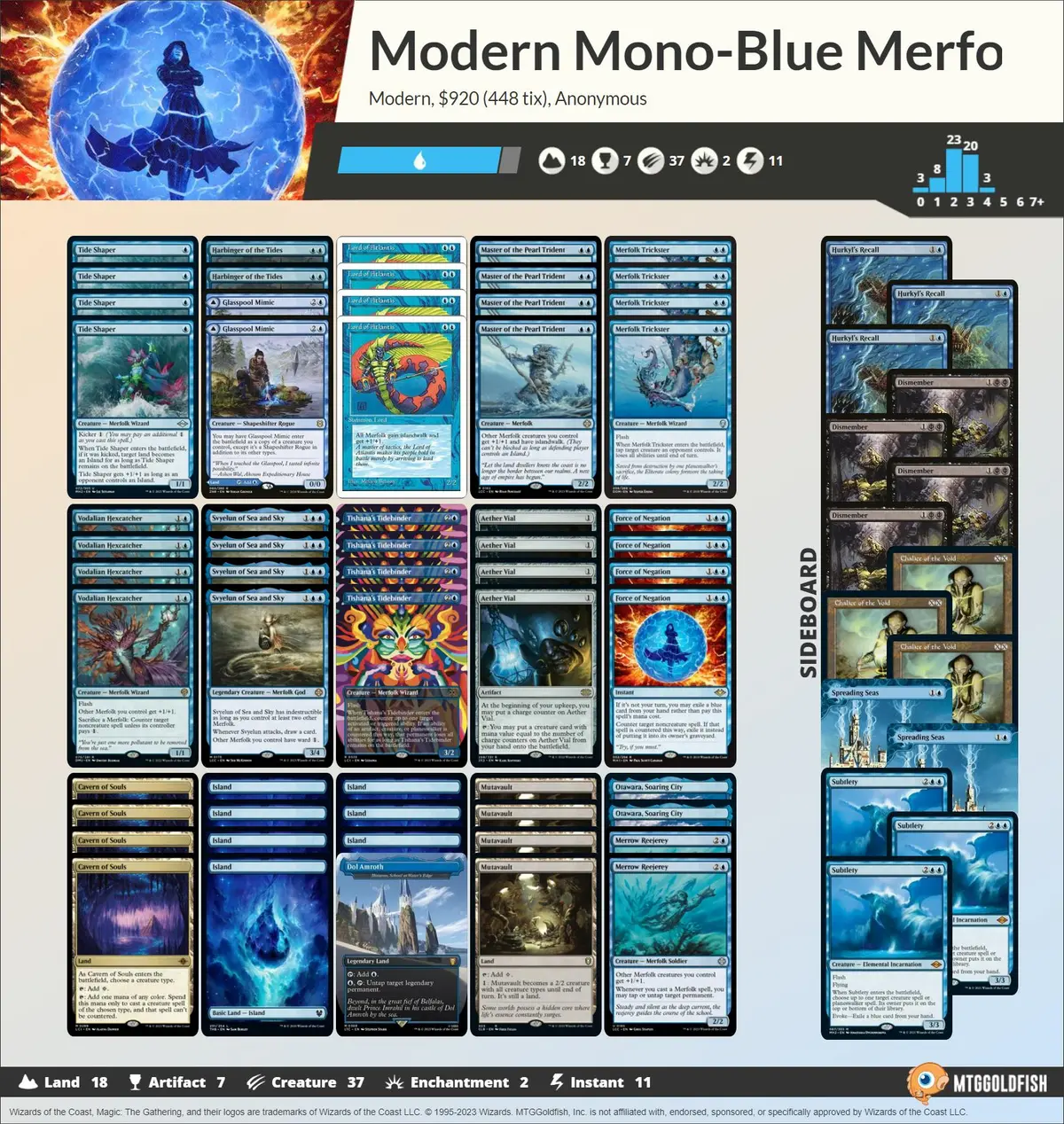
Tribal decks can no longer rely on lords’ bonuses alone to run the traditional creature-aggro route. Elves, for example, win by deploying a board quickly and using Collected Company or Chord of Calling to find Shaman of the Pack for a mountain of damage. Goblins use Goblin Matron to give the deck a toolbox feel, then build infinite combos with Kiki-Jiki, Mirror Breaker, Sling-Gang Lieutenant and Conspicuous Snoop, or lean on the Warrior typing most Goblins share and go down the equipment route. Humans use a pile of annoying disruption such as Esper Sentinel and Thalia, Guardian of Thraben, along with strong enter-the-battlefield effects, to build up their lineup.
Merfolk’s trump card, on the other hand, is islandwalk. Any opponent with a blue shock land, tri-land or basic Island easily becomes islandwalk fodder. Merfolk’s second trait is its huge selection of lords, each with its own special talents. The third is the combination of Aether Vial, plenty of Merfolk with flash, and instants, which makes information exchange very murky. The fourth is Cavern of Souls plus Vial, which makes almost all of the opponent’s counterspell effects useless and lets your creatures resolve and enter the battlefield safely. Plays at every instant-speed window give the deck an unpredictable flexibility. Finally, mono-blue makes it easy to mix in all sorts of disruptive, controlling tools; Subtlety (the blue Elemental), Flusterstorm, Counterspell and Force of Negation (FON) are all common disruption in Modern Merfolk lists.
Note: Following the 2023/12/4 ban announcement, the two cards Fury (the red Elemental) and Up the Beanstalk discussed in this article can no longer be played in Modern. The ideas for dealing with them still apply to similar cards and matchups.
Deck Compatibility Check
This deck is a good fit for players who:
- Like a clear upgrade path
- Like highly synergistic decks
- Like doing things during the opponent’s upkeep or end step
- Like politely asking the opponent “do you mind?” before every play they make
- Like digging into different constructed strategies and single-card testing
- Hate Blood Moon
- Love watching the opponent’s counterspells turn into scrap paper and their Chalice of the Void turn into scrap metal
It is not a good fit for:
- Resource-minded players who get anxious whenever their hand shrinks
- Players who dislike running out of gas in the mid to late game
- Players who burst into tears the moment their board gets swept
How Merfolk Has Evolved in Recent Modern Play
The main reason Merfolk has been a long-standing fixture of Modern is its wide range of quality lords, but past builds mostly leaned toward traditional creature-only play: go wide and rush to victory. Modern Horizons 2 (MH2) was a milestone that made Merfolk competitive again, adding two quality Merfolk with different functions, Tide Shaper and Svyelun of Sea and Sky. Besides giving the Merfolk more protection, they added abilities that support islandwalk and, most importantly, slightly eased the aggro deck’s mid- to late-game resource shortage.
Then in Dominaria United (DMU), the arrival of the new lord Vodalian Hexcatcher stirred up Merfolk discussion again. This flash lord not only reduced the deck’s reliance on Vial, it also greatly upgraded the disruption role once filled by Cursecatcher. Where the old card could only counter sorceries or instants, you can now sacrifice more Merfolk at a critical moment to counter noncreature spells, with the lord’s benefits as a bonus.
But hopes of Merfolk returning to glory were dashed with the arrival of The Lord of the Rings: Tales of Middle-earth (LTR). The One Ring forced the four FON that used to sit in the sideboard into the main deck, so Merfolk’s strongly aggressive identity had to be adjusted around a defensive card like FON; and the newly added Orcish Bowmasters is practically Merfolk’s natural predator. The reasons:
- Its enter-the-battlefield and triggered abilities exert enormous pressure on the many Merfolk with toughness 1.
- It punishes the deck’s already scarce card-draw sources to some degree.
- It puts two creatures onto the battlefield at once, and the Army token keeps growing, making it even harder for creature decks that rely on combat damage to break through.
- Its all-around nature greatly increased the play rate of black-based decks, which were already favored against creature decks. The environment shifted dramatically: Golgari Yawgmoth and Rakdos Scam, two of Merfolk’s natural predators, now hold the top three play rates. Even Izzet Murktide Regent, which Merfolk used to pin to the ground, has temporarily dropped out of the Tier 1 ranks.
LTR’s effects on the format are still playing out, but they are not the topic of this article; let’s see how the official side handles the problems ahead.
Still, darkness eventually passes. The most recent Standard set, The Lost Caverns of Ixalan (LCI), is built around Merfolk and tribal decks. The most eye-catching addition is a savior-level new Merfolk: Tishana’s Tidebinder. First, flash for three mana with a light color requirement and a 3/2 body is a perfect fit for a flexible, aggressive Merfolk deck. And the range of targets and timing of its enter-the-battlefield ability are downright outrageous; right after it was previewed, all kinds of fancy plays were being discussed, and its value may even push the nearly untouchable Subtlety, FON and Svyelun of Sea and Sky to give up their slots. As of writing, the new environment is still in its testing phase. Another new LCI card, Deeproot Pilgrimage, is an enchantment that keeps making 1/1 hexproof Merfolk tokens. Since it is not a creature to beat down with, and getting the most out of it requires deck-building adjustments to trigger “whenever a Merfolk becomes tapped,” it counts as an alternative win strategy and will be discussed together later.
In addition, ever since Ixalan was first released (including Ixalan (XLN) and Rivals of Ixalan (RIX)), Merfolk has been developing toward green. LCI adds many green Merfolk with Explore, and Cavern of Souls was reprinted and made legal in Pioneer, so Pioneer Merfolk also looks like a promising, developing deck.
Merfolk Color Combinations
Blue-White
When talking about color combinations, we have to mention Merfolk’s related build paths. In Lorwyn, Merfolk were originally defined as blue and white (for example, Wanderwine Hub is the Merfolk-specific dual land). In Modern Horizons 1 (MH1), Unsettled Mariner was the key reason Merfolk decks of that era splashed white, raising their resistance to the many freshly arrived efficient, cheap removal spells. However, this color combination has not been seen in competitive play for several years now.
Blue-Green
As mentioned earlier, after the first Ixalan block Merfolk began picking up green. The Explore ability, in brief:
When a permanent explores, its controller reveals the top card of their library. If it’s a land card, they put it into their hand; otherwise, they put a +1/+1 counter on that permanent, and then may put the revealed nonland card into their graveyard.
This ability effectively steadies resources: reliably hitting land drops or growing bigger both fit Merfolk’s natural way of operating. Key green cards include Cenote Scout, which has a chance of becoming a 2/2 right away or costs no card; Kumena’s Speaker, a quality one-drop 2/2; Jadelight Spelunker, which burns off excess mana and filters quickly; Nicanzil, Current Conductor, which maximizes the value of Explore; and Kumena, Tyrant of Orazca, which refills your hand and triggers Deeproot Pilgrimage. Of course, once you add green, generically strong green cards such as Veil of Summer, Heroic Intervention, Force of Vigor (FOV) and the tribal powerhouse Realmwalker are all common main deck and sideboard companions.
However, this build direction is still mainly a Pioneer thing; in Modern, building blue-green means taking on a heavy color-requirement risk.
Blue-Red
Blue-red Merfolk is a rather peculiar beast. The color combination probably originates from a new LTR card, Flame of Anor. If you control a Wizard when you cast it, you may choose two of its three modes. Besides removing many key artifacts on the Modern scene, drawing two cards and dealing 5 damage to a target creature are exactly the things mono-blue Merfolk lacks most (removal and card refills). The most interesting part is that Wizards of the Coast designed quite a few Merfolk to also be Wizards. Taking this article’s build as an example, there are 20 Wizards; counting the commonly seen sideboard Merfolk Mistcaller and Silvergill Adept that some builds run, there are as many as 27 Wizards, which means Flame of Anor’s choose-two mode is very easy to turn on. Thanks to Vial and a good number of basic Islands, this build can also moderately mix in generically strong red cards such as Blood Moon and Lightning Bolt. Finally, there is Riptide Laboratory, a land that returns a Wizard to hand, which can dodge removal or create room to resolve the enter-the-battlefield ability one more time for Tishana’s Tidebinder, Silvergill Adept, Merfolk Trickster and Harbinger of the Tides.
Blue-red is trending upward. Several events since October 2023 have produced 5-0 records, and because the deck is still mostly mono-blue with strong card draw, the risk of splashing is low.
Key Cards and Their Characteristics
Back to this article’s mono-blue Merfolk: we will first go through all the essential and candidate Merfolk and support cards, with practical matchup details and tips under each card. Finally, we will cover a few build branches within mono-blue Merfolk.
Essential Main Deck Cards (must be in the main deck)
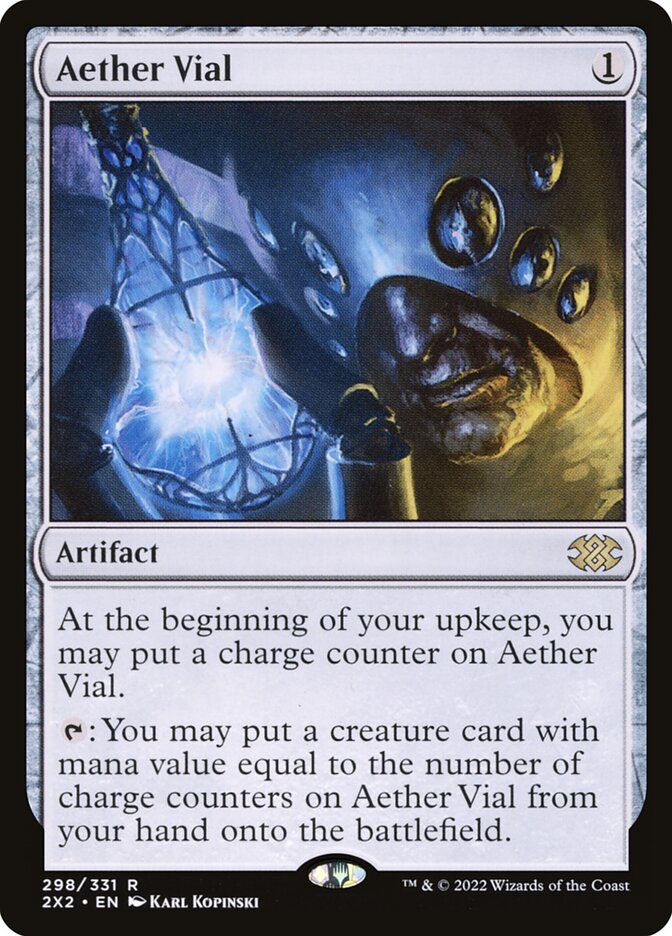
Aether Vial (4 copies)
- The key tool for speeding up or compressing your land count; in extreme cases you can even keep a one-lander.
- It suits decks with a concentrated mana curve and high creature density, and Merfolk are mostly two-drops. In practice, unless you have only 2 lands in play and a three-drop in hand, you will rarely add counters beyond three.
- Mostly used to drop creatures in at the opponent’s end step.
- Drop in a lord to enable your combat tricks, or to dodge damage-based spells and abilities (such as Fury (the red Elemental) and Orcish Bowmasters).
- Drop in a lord to win outright with lethal damage the opponent miscalculated.
- When you can’t reveal cards from your hand, drop in Silvergill Adept, or use Harbinger of the Tides without paying its two-mana cost.
- When Svyelun of Sea and Sky is on the battlefield, drop in any third Merfolk to meet the condition for indestructible.
- Drawing Vial after turn three or four has little value, and there is absolutely no reason to hold it early. The sooner it’s cast the better.
- Besides the well-known trick of activating it at the opponent’s end step to drop in a creature, remember you can also respond to the “put a counter” trigger on your own upkeep, which lets you put one more creature from your hand in before adding the counter. With the average mana value of Merfolk rising in the current environment, this is an important tempo play.
- Vial can be activated without putting in a creature, so at times you can activate it first to bait out a response from the opponent, and decide at the end how (or whether) to slam a creature down.
- Using Vial well takes real knowledge and experience: can you keep a hand with it? How do you pair it with your lands? These are all important considerations.
For example, the ideal case for Merfolk is Vial on turn 1 going up to 3 counters, then smoothly reaching 4 lands. That way Mutavault can be activated, and we still have room to cast a lord or make more combat tricks. With the number and value of three-drops increasing in today’s environment, taking Vial up to three counters is the way to go. The benefit: our two-drops include 8-12 copies with flash, while the three-drops are what actually matter in the matchups now (three-mana lords/Mimics also complete a lord trick), so it carries a bigger threat than two counters.
In summary, Vial speeds up the whole deck and gives every creature flash and the ability to not be countered. Note that in paper events, after activating it you should ask the opponent whether they want to respond, and only after confirming should you choose the creature to enter. If the opponent responds by destroying Vial, the ability resolves using the source’s last known information. For the detailed rules, see: When Are Triggered Ability Conditions Checked?

Tide Shaper (4 copies)
- Automatically becomes a 2/2 when the opponent controls an Island, making it a nicely on-curve beater.
- The kicked enter-the-battlefield ability turns a target land into an Island, which can clear the way for islandwalk or disrupt the opponent’s mana. Against Urza’s Saga, thanks to how lore counters work you can blow up one of the opponent’s lands outright; it is also a great answer to lands with special abilities, such as the Tron lands (Urza’s Tower, Urza’s Mine and Urza’s Power Plant), Valakut, the Molten Pinnacle in Scapeshift decks, Urborg, Tomb of Yawgmoth and Cabal Coffers in mono-black, Darksteel Citadel in Affinity, or Inkmoth Nexus in Hammer decks.
For the rules interaction between Urza’s Saga and cards like Tide Shaper or Blood Moon, see this article: Why Did Urza’s Saga Sacrifice Itself?
- When Vial puts it onto the battlefield, you can’t pay the extra Kicker cost; that is only possible when casting it.

Rishadan Dockhand (0 / 4 copies)
- Currently the key card for generating tokens with Deeproot Pilgrimage.
- Its one-mana ability to tap down one of the opponent’s lands is very strong disruption on the first two turns when you’re on the play. If you can lock down a specific color, it can do a lot of damage in certain matchups.
- It has islandwalk itself, and its 1/2 body survives an Orcish Bowmasters shot.

Lord of Atlantis (4 copies)
- One of the most crucial lords. Note that the old and new printings are worded slightly differently, but in essence they both give +1/+1 to other Merfolk only.
- Its ability applies to all other Merfolk on the battlefield, so in mirror matches, or when the opponent can steal your cards, pay attention to sideboarding adjustments.

Master of the Pearl Trident (4 copies)
- Besides not buffing the opponent’s Merfolk, it likewise gives other Merfolk +1/+1 and islandwalk.

Silvergill Adept (0 / 2 / 4 copies)
- Because of Orcish Bowmasters’ rampage, it rarely shows up in the current environment. Even before LTR, its weaker body meant not every player chose it, or ran a full set.
- Casting it requires revealing a Merfolk card from your hand or paying three, so casting it on time on turn two is an excellent spot, and you usually reveal the islandwalk lord the opponent expects you to have.
- In the mid to late game, though, your hand may already be empty, or you may be stuck flooding or screwed on lands, which makes it awkward. You can’t choose not to draw; you must reveal or pay three mana to cast it.
- However, since it is a Wizard, its draw-on-enter ability may do well in builds that lightly splash red.

Vodalian Hexcatcher (4 copies)
- Its body is weak, but it can sacrifice Merfolk to counter noncreature spells, which works wonders at critical moments. You usually need to weigh the board and the opponent’s game plan carefully, though; sacrificing a Merfolk is often not a good choice.
- Depending on the situation, sacrifice itself first. When you decide to sacrifice Merfolk to counter an opponent’s spell, you can sacrifice one at a time, and if the opponent is willing to pay extra, you can choose whether to keep sacrificing. In some situations sacrificing itself to protect a higher-value target is necessary, but once it is gone it can no longer keep disrupting the opponent. This kind of decision comes up constantly against Burn.
- Its flash ability matters a lot. Since its body is weak, don’t flash it in at the end of the first few turns; instead, hold it as a combat trick or as protection against cards like Fury.
- Mutavault can become a Merfolk with just one colorless mana, and even tapped it still counts as a Merfolk. This gives you one more sacrifice outlet to enable the counter, which is especially handy when you’re flooding or have drawn too many Mutavaults.
- Against Living End, you can respond by sacrificing your Merfolk into the graveyard.

Merfolk Trickster (4 copies)
- A flash 2/2 body is already a solid beater. Even with no valid target on enter, it’s a fine end-of-turn flash-in.
- If you flash it in and tap down an opposing creature, the opponent hasn’t reached their untap step yet, so it can also clear the way. Even if you draw it on your own turn, you can cast it right away to clear the way.
- Its enter-the-battlefield ability taps target creature, which loses all abilities. It is an excellent defensive tool against big threats or abilities that trigger on attack (such as Archon of Cruelty or the Tokens made by Chapter I of Fable of the Mirror-Breaker). In short, it can attack or defend.
- Making the target lose all abilities is arguably its strongest function. In the age of Urza’s Saga, a Construct that loses all abilities immediately becomes 0/0 and dies; the same goes for any creature whose power and toughness are written as / (Ashaya, Soul of the Wild / Territorial Kavu / Cultivator Colossus).
- It can also deal with some abilities tied to going to the graveyard or leaving the battlefield, which is often overlooked in paper games.
- It only affects creatures already on the battlefield and cannot stop enter-the-battlefield abilities.
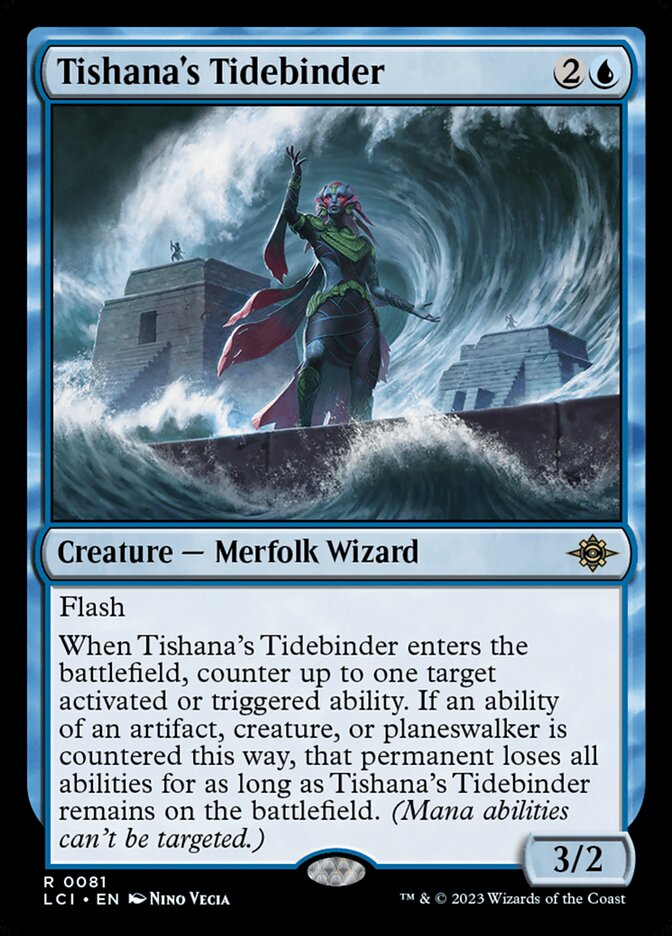
Tishana’s Tidebinder (4 copies across main deck and sideboard)
- We just said Merfolk Trickster can’t stop enter-the-battlefield abilities; LCI’s new Tidebinder fills exactly that gap. Flash and a 3/2 body are already solid on their own, and its enter-the-battlefield ability can answer a huge number of common Modern effects. Common targets include:
- All kinds of Evoke Elementals (especially the blue and red ones and Solitude (the white Elemental)). However, when the opponent may Scam or use Ephemerate to get another enter-the-battlefield trigger, you need to pay close attention to how and in what order things resolve.
- The One Ring: the protection from everything it grants when the opponent casts it is a triggered ability. If it’s countered, they won’t draw cards and lose the protection, and the Ring loses its indestructible ability. This is still a huge help in the current environment; otherwise, just as Merfolk have built a board and are about to win, the Ring gives protection and then a big draw to turn the game around.
- Omnath, Locus of Creation: a very high-value target, and it is usually accompanied by Elementals of every color.
- Cascade abilities. In the past, the only way to deal with Cascade in game 1 was to hold FON to counter the freecast spell it flips. Now, whenever the opponent casts a card with Cascade, you can counter the trigger directly before it flips anything.
- Karn, the Great Creator often fetches an important sideboard tool, and its static ability stops Vial from being activated.
- A flipped Saga: if its Chapter III ability is countered, the Saga goes straight to the graveyard.
- Land-fetching is an important way for Modern decks to fix colors and thin their library, and almost every non-mono-colored deck runs it. Responding to the activated fetch ability is the same as destroying one of the opponent’s lands, and they also can’t search their library.
- Primeval Titan: if it was found with Summoner’s Pact, the opponent has to find enough lands or lose the game next turn to the Pact’s drawback, so if you counter its enter-the-battlefield ability they can almost concede. Likewise, when the opponent tries to find lands like Slayers’ Stronghold and Sunhome, Fortress of the Legion that can punch you dead in one hit, getting countered means they can almost declare defeat.
- Wrenn and Six: its loyalty ability that deals 1 damage exposes many Merfolk to combat danger. Also, turning it into a blank that can no longer fetch lands from the graveyard effectively cuts off resources for certain decks.
- Agatha’s Soul Cauldron, the new darling of Hardened Scales and Golgari Yawgmoth. If you successfully counter it and it becomes scrap metal, you can significantly weaken the deck’s strength, and you can also shut down key combos outright.
- All kinds of powerful equipment: if you respond to the equip ability, not only does the opponent fail to equip, but as long as the Tidebinder is on the battlefield the equipment loses all abilities, which can stop game-turning life-gain equipment such as Shadowspear.
- Up the Beanstalk was a powerful card that ran rampant in Modern after Wilds of Eldraine (WOE) came out. However, as an enchantment it does not become a blank after being countered by Tidebinder, so the timing and value are limited.
Note: Up the Beanstalk was banned on 2023/12/4, so Merfolk’s matchups against 4C Cascade and Omnath decks are expected to improve.
- Channel (such as Boseiju, Who Endures) and cycling (Troll of Khazad-dûm) abilities are also targets you can counter.
- Low-value targets:
- Walking Ballista is not a high-value target. It has long been a threat in colorless and artifact decks, and although its ability can be countered too, its activated ability also works at instant speed, so the opponent can respond at any time to do what they want, or even ping the Tidebinder in return.
- Yawgmoth, Thran Physician is also one of Merfolk’s natural predators, but it is not a good Tidebinder target either; for the same reason as above, the opponent can respond by killing every creature they wanted to, or even by completing a combo.
- Teferi, Time Raveler stops the opponent from casting spells at instant speed, which is a big hindrance for Merfolk and also prevents the Tidebinder from being flashed in. If the situation allows, though, we can respond to Teferi’s loyalty ability with a three-counter Vial to put the Tidebinder onto the battlefield; that counters his loyalty ability and turns him into a blank, letting our game plan proceed smoothly.
- For other rules handling and scenarios, see The Tip of the Iceberg & Advanced Mistakes | Can Tidebinder Counter These?
- Fancy play: you can first Evoke your own blue Elemental, then cast Tidebinder to counter the Evoke sacrifice trigger already on the stack. That leaves an extra 3/3 vanilla creature on the battlefield.
- An important reminder: because it handles such a wide range of things, you often end up holding the Tidebinder in hand to disrupt the opponent. That is actually dangerous and wastes tempo; when necessary, just flash it in to add pressure to the board.

Svyelun of Sea and Sky (mostly 4 copies; the current environment is unsettled and worth watching)
- Before LCI’s release, this was a key card that nearly every Merfolk deck ran a full set of. It has three excellent abilities:
- It gives all other Merfolk ward {1}, which improves their protection against Fury, Yawgmoth, and all kinds of targeted removal. Note, however, that once the opponent has already targeted a Merfolk, they still don’t need to pay the ward cost even if you then Vial in Svyelun.
- As long as you control two other Merfolk, Svyelun is indestructible. In a normal board-development game this puts a lot of pressure on the opponent; even a 3/4 for three mana standing firmly in place can greatly hold the opponent back.
- When Svyelun attacks, it triggers a draw effect; combined with indestructible and islandwalk, it is a war god on your side.
- Its drawback is obvious: it is too clunky, and a legendary creature with two blue color requirements often gets stuck in hand. Against opponents with little removal, you can feed it to Subtlety or FON.
Supporting Main Deck Cards (main deck or sideboard)

Harbinger of the Tides (usually 4 copies across main deck and sideboard)
- Returning a tapped creature to hand on enter can wreck the opponent’s board-development plans. It’s a pretty good tempo disruption creature, and with flash it’s a good answer.
- In the current environment, the large number of Rhino tokens from Crashing Footfalls and Constructs from Urza’s Saga can be bounced straight off the battlefield by its enter-the-battlefield ability when they attack or after they attack.
- Its own body is respectable too. Sometimes you shouldn’t be greedy about triggering the enter-the-battlefield ability, and should instead expand the board at the right time.

Spreading Seas (usually 2 copies, or 2 main deck and 2 sideboard)
A card that fits Merfolk well. It creates attack conditions for islandwalk and also replaces itself.
- Best play: turn the opponent’s utility land into a plain Island, wrecking game plans that rely on it. The strategy is similar to Tide Shaper.
- Good play: create islandwalk opportunities and disrupt the opponent’s mana sources.
- Okay play: feed it to Subtlety and FON instead of spending precious Merfolk that can fight.
- Poor play: cast for two mana to draw a card, effectively a sorcery-speed cycling effect that can refill your hand at an important moment.
- Worst play: when you’ve drawn too many Mutavaults or Cavern of Souls and are color-screwed, you can use it to fix your own colors.
In summary, this card is excellent and is almost never a dead card at any point.
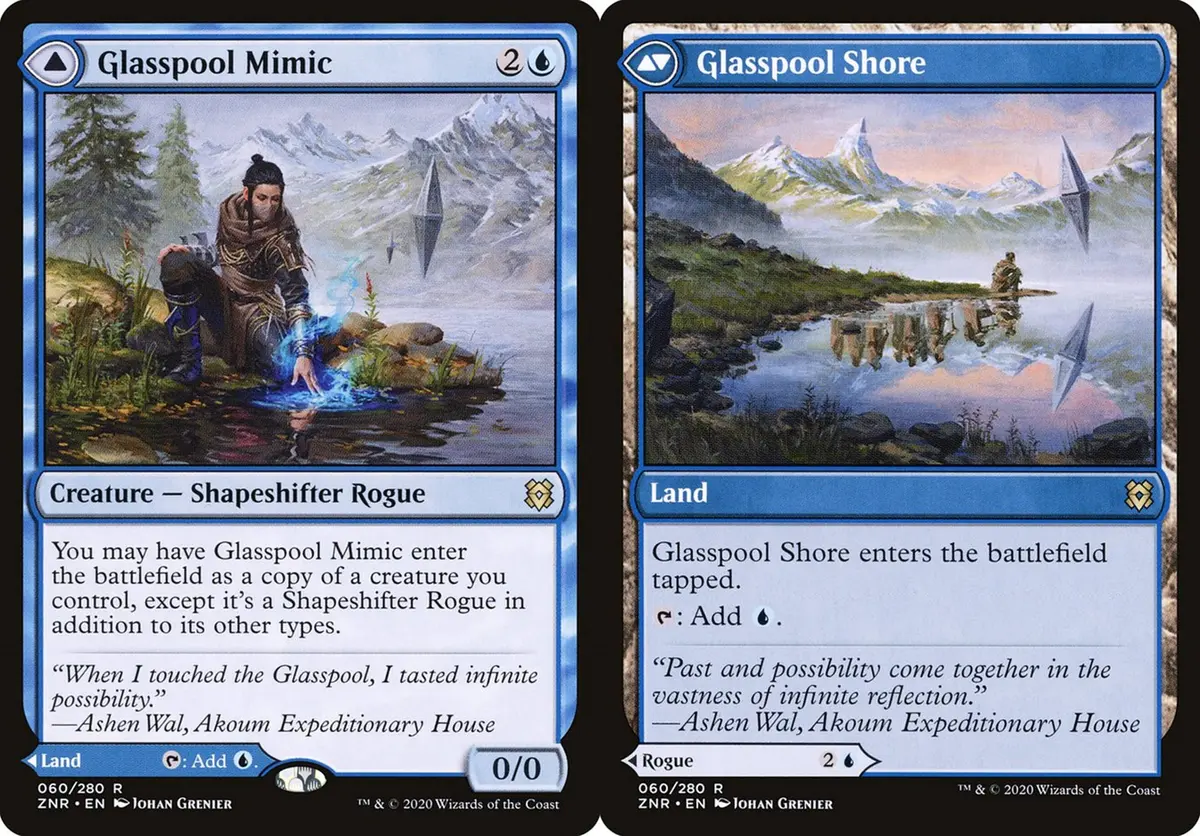
Glasspool Mimic // Glasspool Shore (2 / 4 copies)
- The creature // land double-faced design creates room for 20 or even 22 lands in some 18-land builds. Compared with high-cost spells such as Sea Gate Restoration or Lórien Revealed, which may not be castable even when you aren’t short on lands, the Mimic can copy all kinds of strong lords or creatures with excellent enter-the-battlefield abilities. The card text has it enter as a copy of a creature you control, so it triggers enter-the-battlefield abilities. It can also enter through Vial.
- With this card, some builds can reach over 20 lords, greatly increasing the deck’s flexibility and output ceiling.
- However, it needs a target to deliver value, so when your creature board is weak it can’t turn things around (with nothing to copy on enter, it’s 0/0 and dies immediately).
- If you have no one-drop in your opening hand, don’t rush to play it as a land. Use it as much as possible to bolster your creature offense, and treat using it as a land or as a cost for other cards as a backup plan.

Mistcaller (0 / 3)
- For a while it was in the main deck to fight Indomitable Creativity decks, and to raise the odds of having it early you generally run at least 3. In the sideboard it is also 3 or more.
- Against Rakdos Scam and Golgari Yawgmoth it provides only slight disruption. Against the former it only stops Feign Death and cannot stop Evoke; unless you cast it on turn one on the play, its effect is limited. Against the latter, the opponent has too many ways to respond, and they can simply carry out their strategy next turn; the longer the game drags on, the worse it is for Merfolk.

Dismember (4 copies)
- Mono-blue has almost no removal, so 4 copies across the main deck and sideboard should be the baseline.
- Kill threats: important threats such as Stoneforge Mystic, Yawgmoth, and so on.
- Cards with long-term effects, such as the mill Hedron Crab, Dauthi Voidwalker and Omnath, Locus of Creation, are also good targets.
- Disrupt setups: creatures about to be equipped with powerful equipment (such as Colossus Hammer, Shadowspear or Kaldra Compleat) or enchanted with an Aura are high-value Dismember targets; it can also destroy the target creature of Indomitable Creativity so it can’t flip through the library.
- Clear the way: opponents without Islands often have defensive creatures that are no great loss early on, such as Constructs, 1/1 Birds or walls.
- Dismember often gets treated as a sure kill; its flaw is that it can’t handle creatures with toughness above 5. But it has an overlooked upside: indestructible doesn’t do anything against Dismember.

Subtlety (the blue Elemental) (0 / 2 in the main deck, or 4 in the sideboard)
- A card that lives off its Elemental brothers, usually used to respond to the opponent’s Evoke Elementals.
- Other high-value targets include Primeval Titan, Omnath, Locus of Creation, Teferi, Time Raveler, Yawgmoth, Murktide Regent and Sheoldred, the Apocalypse.
- Against Living End, you can respond to Evoke by sending Subtlety to the graveyard.
- Weigh carefully whether it’s worth spending a card to put an opponent’s creature spell back on top of their library, because at best the opponent just does it again next turn.
- If the opponent didn’t cast the creature (for example, it entered via Chord of Calling), it can’t be targeted by Subtlety.
- When you need evasion and have enough mana to simply cast it, consider giving up the enter-the-battlefield ability and just casting it. It isn’t a Merfolk, but a 3/3 flash flier still has plenty of evasion.
- Currently common in sideboards.

Force of Negation (FON) (4 in the main deck, or 2 main and 2 sideboard)
- Moved back into the main deck because of Cascade decks and The One Ring.
- Merfolk is still fundamentally a mana-hungry deck that needs to deploy its board fast, so holding up mana to react to the opponent isn’t wise (unless you’re very sure what they’re about to do), because if they don’t cast a spell worth countering, we may not be able to spend the leftover mana on creatures.
- Remember during games that it can’t be cast for its alternative cost on your own turn.
- Because it costs so many cards, if you don’t have to, you can pitch two FONs to each other to cast them, keeping your creature density and hand resources at their maximum.

Merrow Reejerey (0 / 2 copies)
- The main lord before Dominaria United (DMU). It briefly left players’ view because of its higher cost.
- Since it can tap or untap any permanent, it makes for a very flexible build alongside many flash Merfolk.
- Untapping your own lands effectively reduces costs.
- Untapping Vial lets you put in one more creature.
- At a critical moment, tapping down the opponent’s big creature can also clear the way.
- The downside is that it’s a bit clunky, but because it’s a lord, many players still like it.
- When running both Merrow Reejerey and Glasspool Mimic, Vial can march toward three counters to present the opponent with a bigger threat.

Deeproot Pilgrimage (0 / 4 copies)
- A newly released card, so it is still awaiting testing.
- The 1/1 hexproof Merfolk it makes can also become a group of 2/2s or even 3/3s through lords; if it successfully spreads out, it is definitely a powerful threat.
- Playing it on time on turn two is not a good idea without a Vial that can drop in Rishadan Dockhand. You mostly slam it down only when you’re sure you can make tokens, since it’s not a beater and it takes up the key tempo slot of two mana (it often gets stuck on turns with only three lands). It still needs observation.
- That said, this build can make plenty of Merfolk tokens, giving Vodalian Hexcatcher lots of sacrifice fodder to make up for the board lost to disruption. This play can be done entirely at instant speed, so make good use of it.
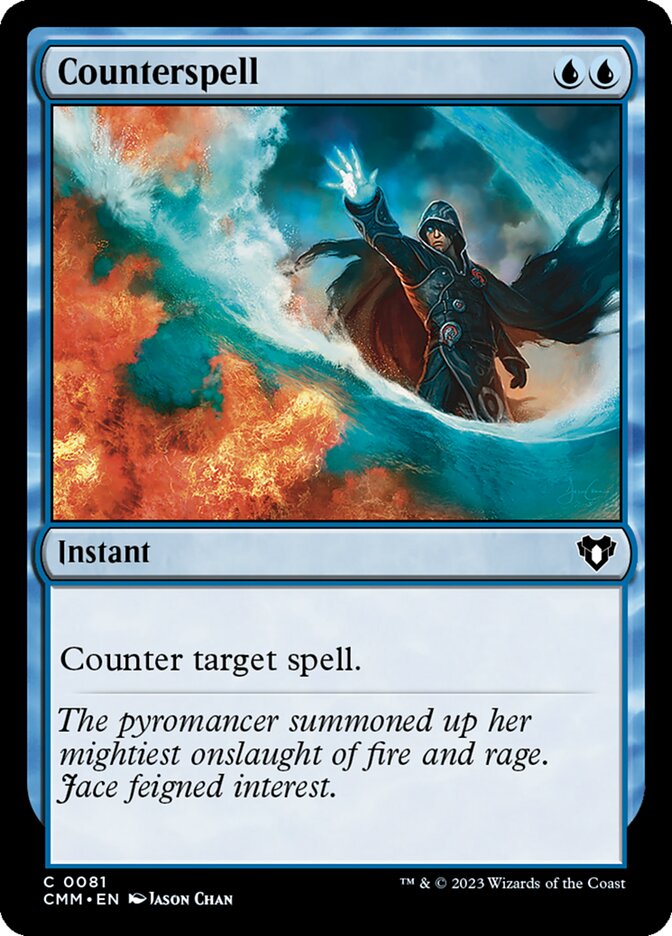
Counterspell (no more than 2 across main deck and sideboard)
- With 8 lands that can’t produce blue, its heavy color requirement makes it somewhat clunky. Most decks don’t run it.
- Considering that its counter range is simple and brutal, and that it’s still a two-mana instant, it shows up now and then. In a multicolor Merfolk deck it basically can’t be put into the deck.
Sideboard Cards (appear almost exclusively in sideboard games)
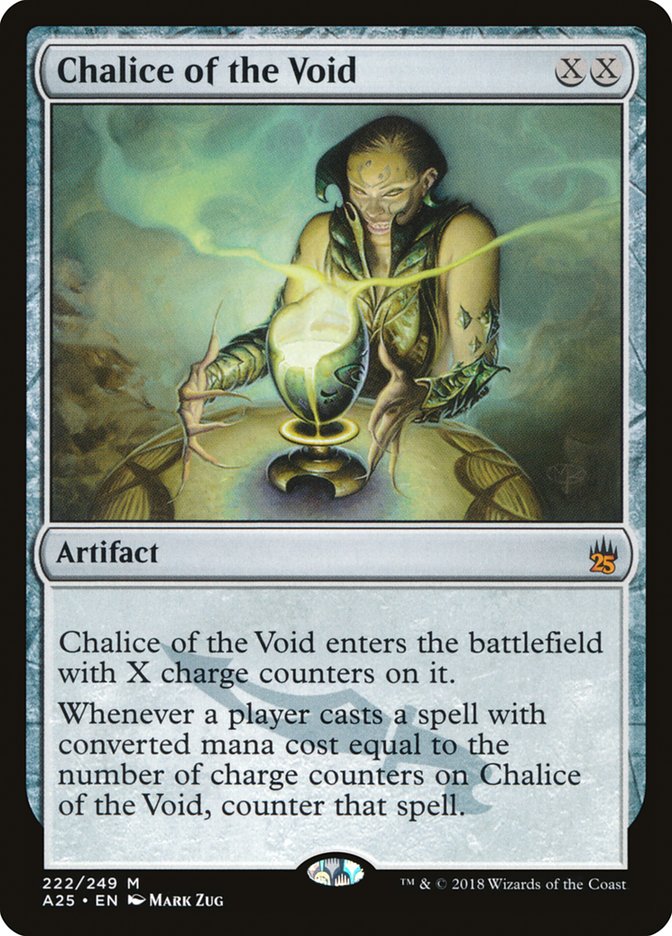
Chalice of the Void (almost always 3 copies)
- One of the main reasons Merfolk decks are expensive, but with its reprint as a Lost Caverns of Ixalan box topper, it has become more affordable, just like FON and Cavern of Souls. The whole Merfolk deck costs roughly 550 to 700 USD.
- It is mainly cast for zero to lock out 0-mana spells such as cards with Suspend or Summoner’s Pact.
- It can also be used against decks with lots of one-drops, such as Burn, Hammer and Izzet Murktide.
- It usually needs to be in hand within the first two turns to guarantee its effect, so the sideboard generally has at least 3.
- When the opponent’s Chalice is set to one, try to use Cavern of Souls to force through your own one-drops, or use Vial to put one-drop creatures onto the battlefield.

- Arguably Modern’s best answer to artifacts: it doesn’t target an artifact, but returns all of a specific player’s artifacts to hand. That sidesteps protections such as hexproof or indestructible.
- For two mana at instant speed, it has a high chance of sending a specific opponent’s whole board home. Against decks with lots of Constructs, it even works like a sweeper.
- Besides the Hammer, Affinity and Hardened Scales decks most people think of, which are full of artifacts, this card is also a superb answer to Stoneforge Mystic decks and Food decks. For the former, various living weapons are very hard to deal with, Giver of Runes also gives protection, and those decks usually rely on Vial to some extent; for the latter, Food tokens and key pieces such as The Underworld Cookbook, Mishra’s Bauble and Witch’s Oven are all artifacts.
- Because this kind of card is basically crushed by a quickly developing artifact board if you don’t have it in the first two turns, raising the copy count is no bad thing. It can usually be used more than once, so drawing extra copies does no harm.

- A graveyard-strategy hoser, mainly aimed at the Scam effects of Rakdos Evoke decks, or at Golgari Yawgmoth to interrupt its endless persist abilities.

- A new LTR card with a rather wide counter range. In a Modern format full of powerful creatures this card has real potential. Like Counterspell above, though, it requires holding up mana passively to counter, which doesn’t match Merfolk’s aggressive identity well.
- It does its work mainly in the first two turns, countering targets like Ragavan, Nimble Pilferer.

- Another legendary creature that provides protection, but its own body is poor and it isn’t a Merfolk. By the turn it can safely come down, it’s usually too late to turn things around. Unless you can land it on time on turn three, its disruption is extremely limited.

- An answer to Golgari Yawgmoth.

- Used to be a very common sideboard card, good for mirror matches or against Murktide.
- The current environment has fewer high-value targets, so it has been temporarily pushed out of the competitive scene.
Land Choices

Cavern of Souls (4 copies)
- In sideboard games with Chalice of the Void, mind the timing and sequencing of your land drops; you can lock out the opponent’s aggro deck without affecting yourself.
- When choosing a creature type, remember to leave the right colored mana for your other non-Merfolk cards; carelessly naming the wrong type can have serious consequences.
- If Blood Moon is already on the battlefield, this land can’t name any creature type as it enters and simply becomes a Mountain. Because no type was named, even if Blood Moon later leaves, this card will only tap for colorless mana, and the mana of any color it produces can’t be used for anything, so naturally it won’t have the uncounterable effect either.

- Lots of Islands mean you don’t have to fear Blood Moon.

Minamo, School at Water’s Edge (1 copy)
- It can untap Svyelun of Sea and Sky; remember to leave mana for it.

Mutavault (3-4 copies)
- Almost every tribal deck runs it.
- Just watch out for color-fixing problems.
- If you have Vial in your opening hand, you usually play Mutavault first so that it gets past summoning sickness by turn two.
- With Svyelun on the battlefield, remember that Mutavault can tap itself for mana to turn into a creature and meet Svyelun’s indestructible condition.
- With spare mana, make good use of Mutavault’s animate-and-tap to make more Merfolk (in the Deeproot Pilgrimage build).

Oboro, Palace in the Clouds (1 copy)
- Helps fix your colors when you draw too many Mutavaults and Cavern of Souls.
- It has good uses in decks that make you discard cards.
- It rarely appears in main decks right now, but its price dropped a lot because of the reprint, so it may see more and more testing.
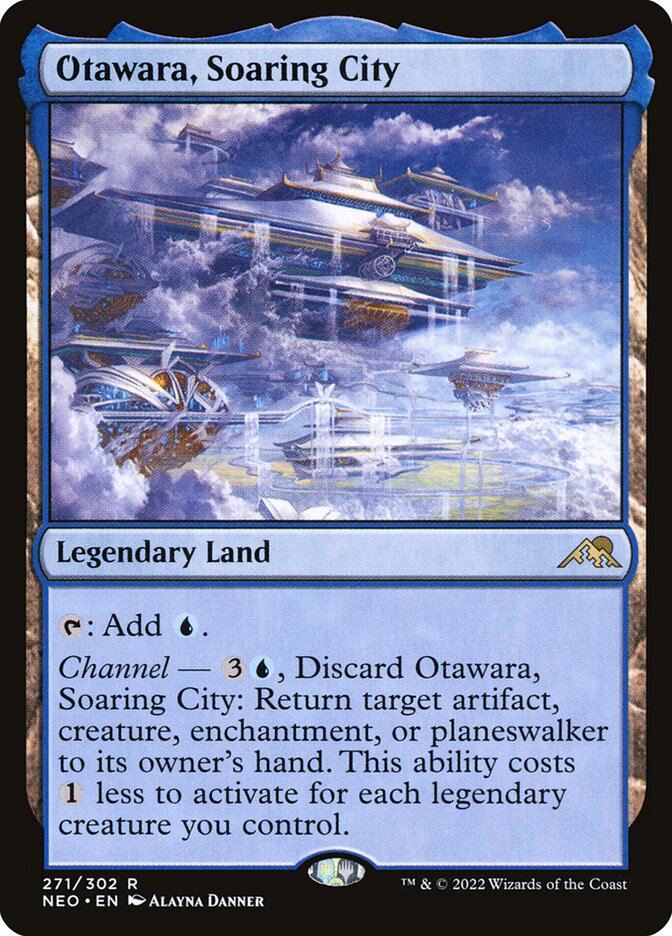
Otawara, Soaring City (1-2 copies)
- Channel is very strong in Modern because it is an ability rather than a spell cast, so very few opponents have any way to stop it.
- With other lands in your opening hand, you usually don’t play this first; instead it’s treated as a way to remove threats or protect your key creatures.
- It gets a cost reduction alongside legendary creatures.

Waterlogged Grove (0 / 1 copy)
- Nicknamed the “draw land”; it was common in builds in the past, but is rarer at the moment.
- Besides the pain from producing colored mana, another downside is that the moments you want to sacrifice a land to draw are usually when things are going badly, and for Merfolk drawing one card in the mid to late game won’t have a major impact on the game.
Other Candidate Cards (once played but rarely seen in builds now, or still to be developed)
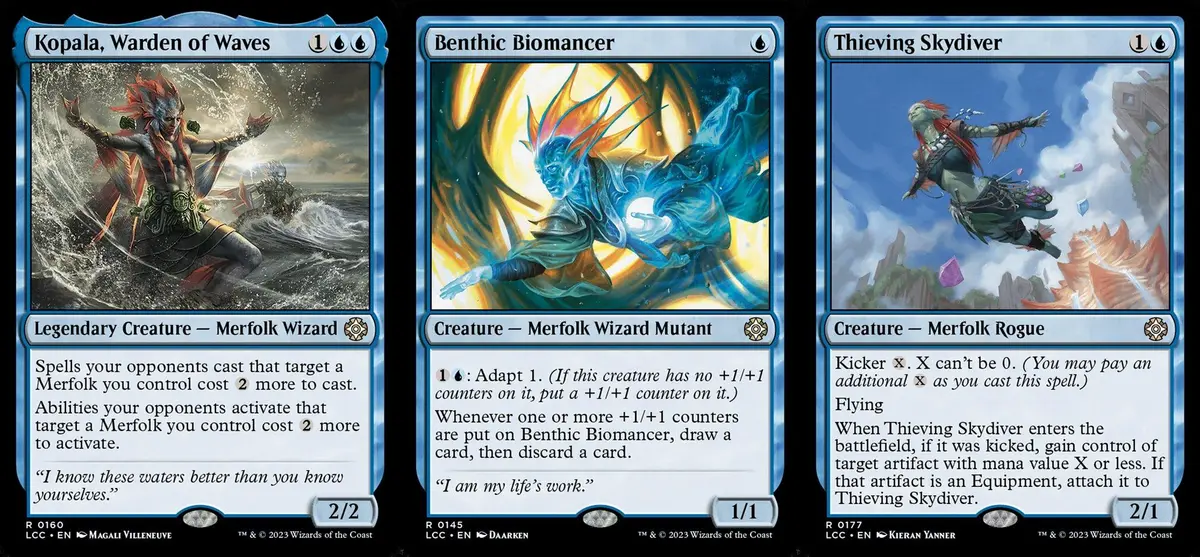
Kopala, Warden of Waves, Benthic Biomancer, Thieving Skydiver
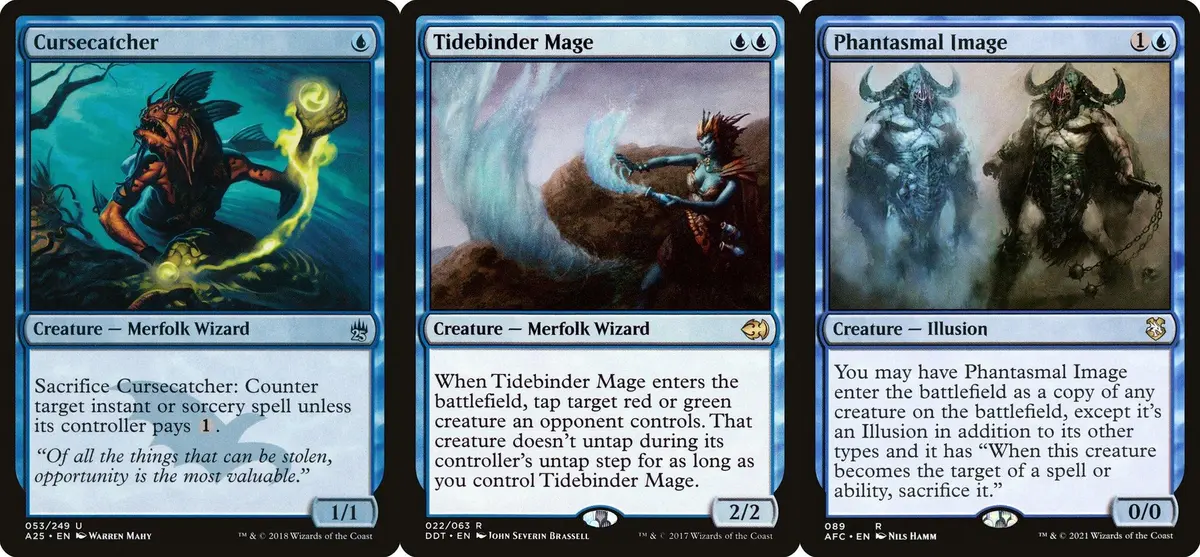
Cursecatcher, Tidebinder Mage, Phantasmal Image
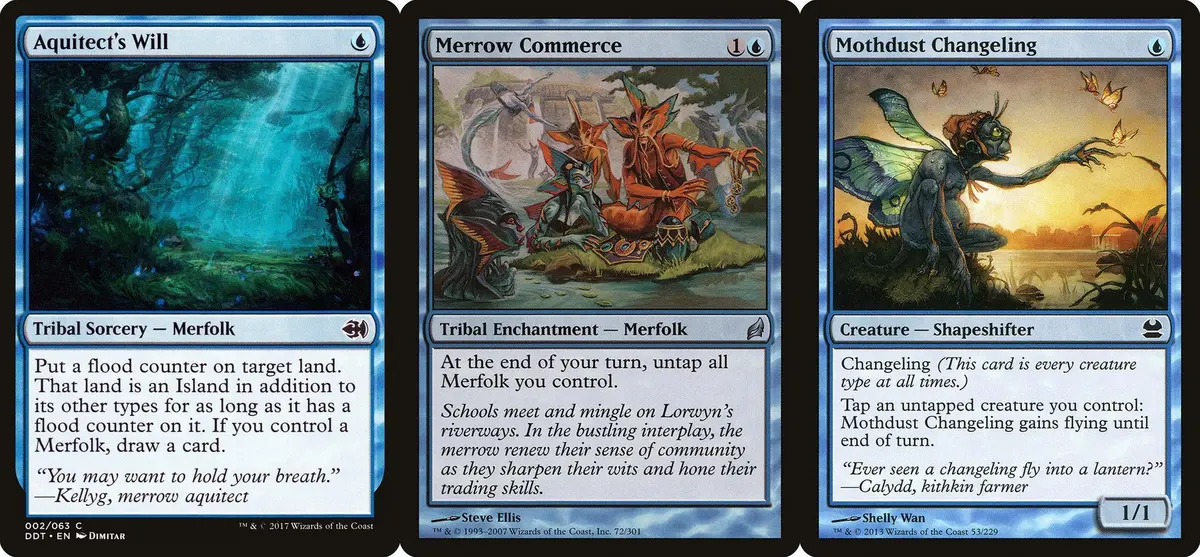
Aquitect’s Will, Merrow Commerce, Mothdust Changeling
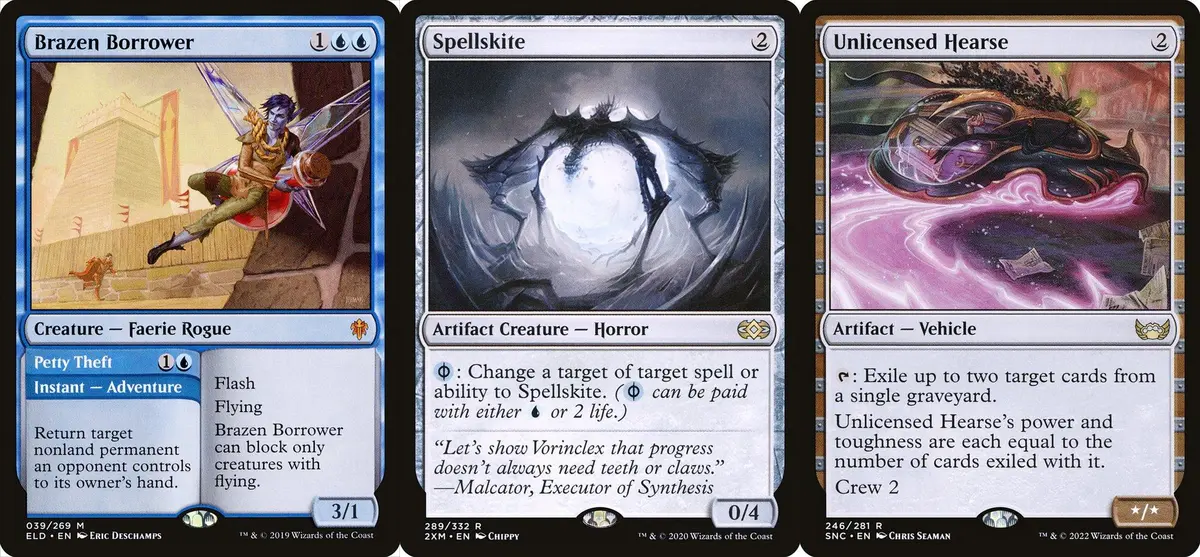
Brazen Borrower, Spellskite, Unlicensed Hearse
Extended Builds
Once you have a feel for the individual cards, these components can be extended into different approaches. The ones currently seen in competitive play are roughly the following:
1. Islandwalk Build
2 to 4 Spreading Seas and 4 Rishadan Dockhand in the main deck, plus the always-present 4 Tide Shaper and 8 lords that grant islandwalk, let you overwhelm the opponent with a flood of Merfolk while guaranteeing they have an Island. It not only disrupts the mana of non-blue decks but also clears the way. It is a decent disruptor against decks that depend heavily on lands, such as Urza’s Saga, Tron and Scapeshift.
2. Control Build
Use Spell Pierce, Cursecatcher, Counterspell, Subtlety and FON to control the game, then win by attacking with lords and Subtlety. This build also adds a moderate amount of filtering, such as the newly unbanned Preordain. The land count may rise to 22.
3. Hexproof Token Build
This build is centered on Deeproot Pilgrimage, sending out 1/1 hexproof Merfolk in order to trigger Merfolk tapping as much as possible. It relies heavily on the activated ability of Rishadan Dockhand; otherwise, no matter how many creatures attack in combat, you only get one token. If you activate Mutavault during the opponent’s upkeep to turn it into a Merfolk first, and then pay mana to activate Rishadan Dockhand, you can make two Merfolk at once. Many interesting cards have been joining this build, such as quality Vehicles like Smuggler’s Copter and Subterranean Schooner; once tapped for crewing they can trigger it one more time (and Vehicles are less afraid of sweepers). In today’s Modern, sweepers that can’t be countered are relatively rare; there is far more one-for-one removal, or Fury’s enter-the-battlefield damage split for a one-for-many. So hexproof is a very strong ability, and with 12 to 16 lords among the Merfolk, you can easily assemble an army of 3/3 hexproof Merfolk. Still, this deck needs real-world testing, and the corresponding build tends to push the deck’s advantage turns later into the game; whether that trait is a good thing remains to be seen.
4. Combo Build
The key card here is Thassa’s Oracle. It uses quickly accumulated devotion to blue to filter and tries to resolve the final ability for a direct win. But this build is currently mainly a Legacy thing; whether Modern has cards that help the combo come together faster is yet to be developed, or awaits new cards.
Main Matchup Approaches:
Rakdos Scam (Rakdos Evoke)
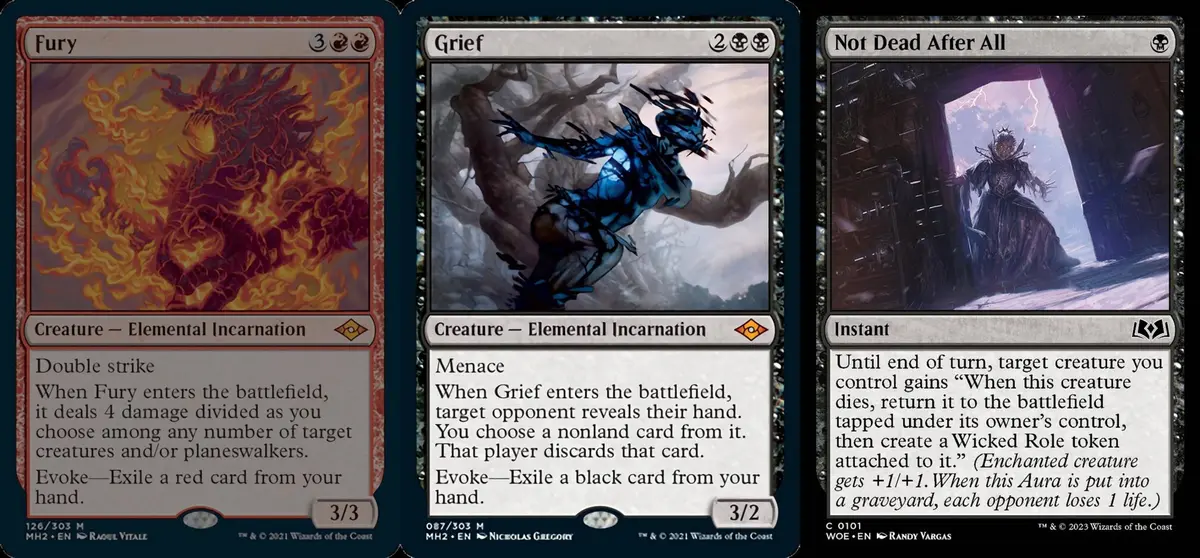
Matchup outlook: heavily unfavored
You may want: Harbinger of the Tides, Dismember, Grafdigger’s Cage, Subtlety, Stern Scolding, Kira, Great Glass-Spinner, Tishana’s Tidebinder
You probably don’t want: FON, Spreading Seas
- The main idea is to avoid any contact with the opponent’s creatures, hold the board as best you can, and look for a chance to counterattack.
- Protect Vial at all costs, even if it means throwing away Subtlety or FON, because it’s the only weapon that can keep up with the opponent.
- Unless the opponent’s Ragavan comes down on turn one and might steal Vial, Tide Shaper or Vodalian Hexcatcher, don’t block it either. Most Merfolk cost two blue mana, so the opponent will have a hard time casting them, and casting them means little to the opponent anyway.
- Likewise, the opponent’s Dauthi Voidwalker usually has no interest in Merfolk, and it can’t block them.
- When the opponent is on two lands, watch closely whether your toughness-1 creatures will get picked off by Orcish Bowmasters. The clash between Tide Shaper and Vodalian Hexcatcher on the first two turns is especially critical. Who plays first and who plays second becomes an important moment of give and take.
- In most games the opponent’s life total gets spent on paying costs or fetching lands and drops fast, but late in the game keep in mind the combined damage range of Lightning Bolt and Orcish Bowmasters.
- Although Chalice of the Void can stop nearly 12 of the opponent’s one-mana spells, waiting until turn two to land Chalice is a huge waste of tempo and still can’t stop the opponent’s many quality creatures, so it isn’t a good sideboard choice.
- Watch the interaction between Tishana’s Tidebinder and Evoke Elementals; with luck, a careless opponent may end up seeing no cards in hand and unable to Scam at all.
- Hold Vial and Vodalian Hexcatcher to flash in as combat tricks, giving your Merfolk higher power and toughness. Never get greedy and race for damage when you can’t kill the opponent; keeping these tricks back avoids Fury’s enter-the-battlefield one-for-many and also dodges Bowmasters’ damage. This echoes what was said earlier about avoiding contact with the opponent’s creatures so you don’t step on traps (such as all kinds of Feign Death).
- Although Subtlety can fight the opponent’s Fury protecting the board, it burns a lot of hand resources without adding to the board, and after the opponent’s Fury goes back to the top of their library they can do it again at any time. So choose carefully when sideboarding.
- The opponent is also a creature deck that wins through combat, and most of its creatures don’t have vigilance. So catching the right moment to race back is how you can turn the game around. Make good use of Otawara, Soaring City and Harbinger of the Tides to wreck the board, and tricks like Merfolk Trickster can win you precious tempo differences.
- Finally, many Rakdos cards, especially creatures, are sorcery-speed. As long as you avoid a few key combat tricks, our information is relatively murkier and our timing for plays more flexible than the opponent’s. So if you make good use of this and carefully preserve your resources, you still have a chance to win.
- In sideboard games, stay fully alert for Engineered Explosives and Fury, and keep countermeasures such as Tishana’s Tidebinder.
- For a detailed deck introduction, see: Modern Rakdos Midrange Scam: The Overlord of Modern, where you can study further to work out your own Merfolk game plan against it.
Note: Fury (the red Elemental) was banned on 2023/12/4. The pressure on Merfolk should ease considerably.
Temur Rhinos (Crashing Footfalls)
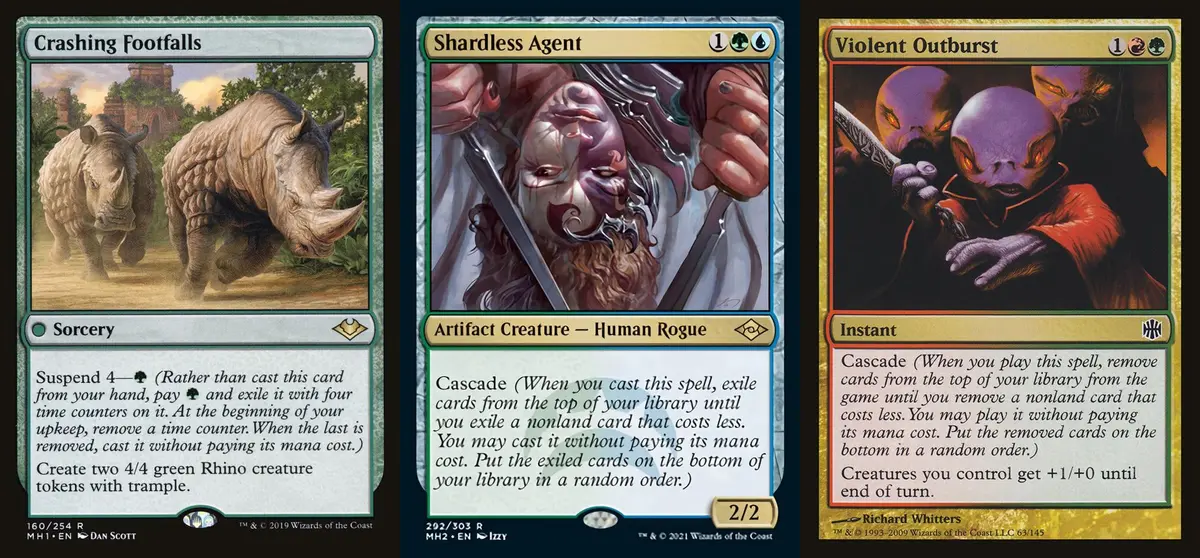
Matchup outlook: slightly favored
You may want: FON, Chalice of the Void, Harbinger of the Tides
You probably don’t want: Dismember, Spreading Seas, Subtlety
- The opponent plays blue, which already gives you a slight edge. Their Rhinos can’t necessarily interact with our Merfolk.
- So just keep an eye on your own life total and race back.
- FON can only be used on the opponent’s turn, and an experienced Rhinos player will definitely Cascade when we can’t cast FON for free (for example, when we declare attackers or at the end of turn).
- Merfolk Trickster can’t remove tokens, but it can clear the way or buy time while you look for an opening.
- In sideboard games you can be moderately aggressive about sculpting your hand to get Chalice of the Void; the huge advantage is worth the risk of the sculpting.
- When the opponent Cascades on turn three, Vodalian Hexcatcher can be used directly as a counterspell.
- For a detailed deck introduction, see: Temur Rhinos: The Perfect Fusion of Aggression and Control.
Golgari Yawgmoth
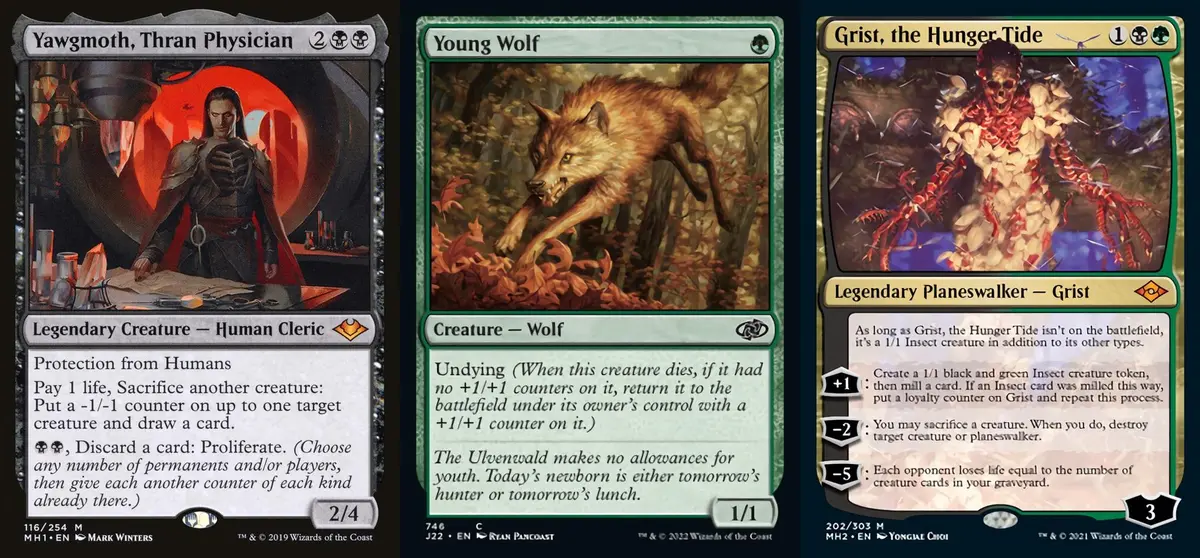
Matchup outlook: heavily unfavored
You may want: Dismember, Cursed Totem, Kira, Great Glass-Spinner, Grafdigger’s Cage, FON
You probably don’t want: Vodalian Hexcatcher, Tishana’s Tidebinder, Subtlety
- A deck with enormous pressure against creature decks; Merfolk attacks are mostly stopped by the endlessly persisting Young Wolf.
- The opponent has plenty of acceleration that you don’t want to waste removal or counters on, yet not stopping it lets their key creatures come out even faster.
- So Dismember can kill Wall of Roots and acceleration creatures such as Delighted Halfling early. The benefit is that it cuts down the creatures the opponent can later convoke for Chord of Calling in the midgame.
- Note that if your life total is below the opponent’s, then with Yawgmoth on the battlefield they can pair it with Blood Artist to drain your life total straight to zero and win.
- Agatha’s Soul Cauldron is an extremely powerful component of this deck, giving a whole crowd of creatures all kinds of activated abilities, which makes it the target counterspells most need to answer right away and save for.
- Cursed Totem is a bit clunky at two mana, but because it’s the most direct way to disrupt the opponent’s strategy, in sideboard games you can sculpt your hand to have at least Grafdigger’s Cage or Cursed Totem.
- Holding Subtlety or FON for Yawgmoth himself or for Chord of Calling may not be a good option, because the opponent can pivot to another direction at any time. So the advice for this matchup is: when your life total is high enough early, use Dismember to remove the acceleration pieces and keep growing the board to apply constant pressure.
- The persist ability of Young Wolf can be countered by Tishana’s, and can be beaten by Merfolk Trickster; pay attention to the fine details of the game.
- For a detailed deck introduction, see: A Guide for the Doctor Turned Chef.
- Persist can be beaten by Trickster and Tishana’s; make good use of them.
- Since the format changed on 2024/12/4, Fury’s departure may lead to a large resurgence of Yawgmoth decks. It’s recommended to bring targeted cards straight into the sideboard.
4 Color Omnath
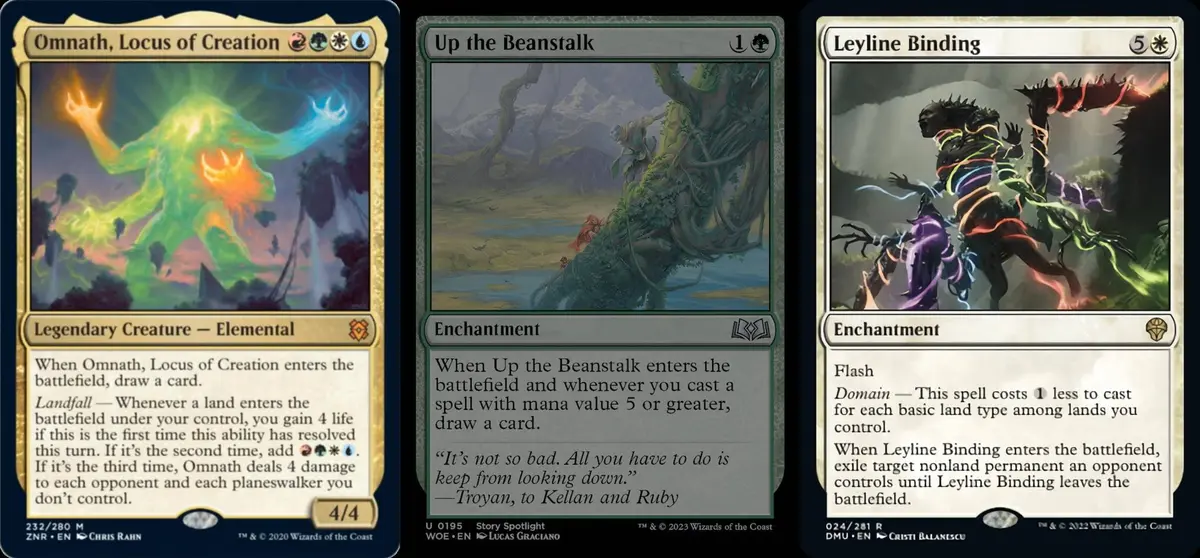
Matchup outlook: even
You may want: Dismember, Subtlety, Tishana’s Tidebinder
You probably don’t want: Harbinger of the Tides, Vodalian Hexcatcher, FON
- The opponent is a control deck that uses creatures to control the board: it survives until Omnath can stand firmly on the battlefield and pull ahead on resources, then kills you with Elementals.
- So the key to the matchup is the same as against any control deck in the past: put the pressure early, go over the top with a more aggressive offense to rush the board, and then save removal for the Elementals and Omnath himself.
- When we’re on the play and have enough lords to rush the board, we usually don’t need to deal with the opponent’s two planeswalkers. If they cast Teferi, Time Raveler, respond by dropping all your flash Merfolk. If we’re on the draw, watch out for Wrenn picking lands back up; with few blockers early, you should be able to push through it easily.
- Tishana’s Tidebinder is very strong in this matchup, with many high-value targets to counter: the Elementals, Wrenn, Omnath, Leyline Binding and The One Ring
- For a detailed deck introduction, see: Modern Scene: Four-Color Elementals.
Note: Up the Beanstalk was banned on 2023/12/4. Merfolk are less likely to fall far behind in the resource war from a resolved Beanstalk, and the counterspell in hand or Tishana’s Tidebinder can be saved to aim at the opponent’s Ring and Omnath, so the matchup should go from even to slightly favored.
Izzet Murktide
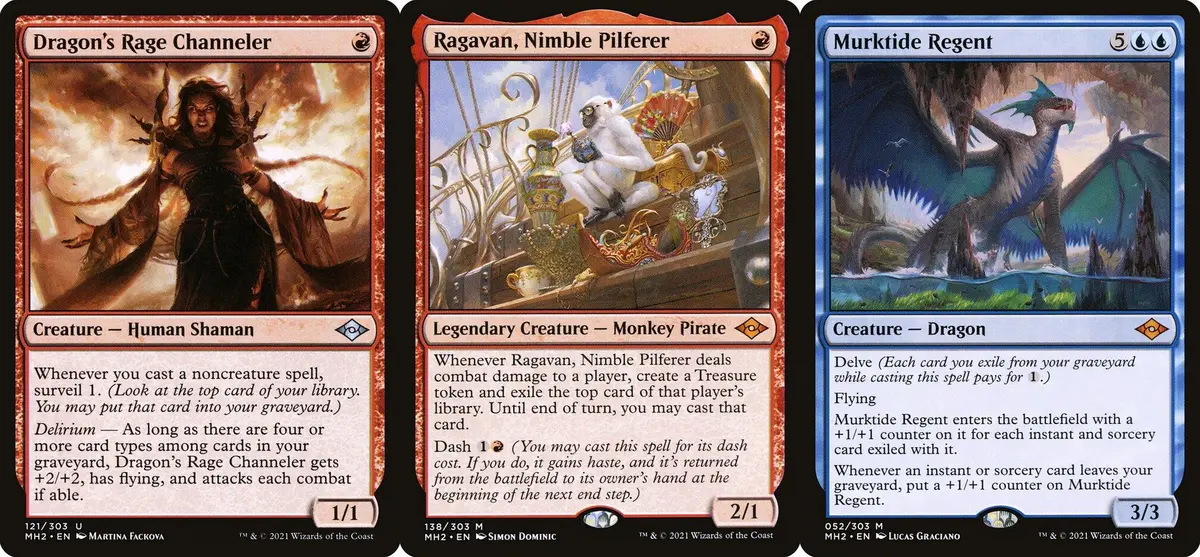
Matchup outlook: favored
You may want: Chalice of the Void, Harbinger of the Tides, Subtlety, other things that exile from the graveyard
You probably don’t want: FON
- The opponent’s disruption is mainly Counterspells, but as said before, those don’t do much against Merfolk.
- The only thing that puts huge pressure on you is Dragon’s Rage Channeler, which can easily create one or two 3/3 fliers early. Merfolk have little answer to fliers, and bringing in Dismember feels a bit superfluous. The opponent will definitely have Islands, so push hard on pressure and the opponent will turn conservative.
- Force the opponent to use their burn on creatures instead of going face.
- It really is favored; there isn’t much that needs pointing out.
- For a detailed deck introduction, see: Mio’s Izzet Murktide List.
Mono Black Coffer
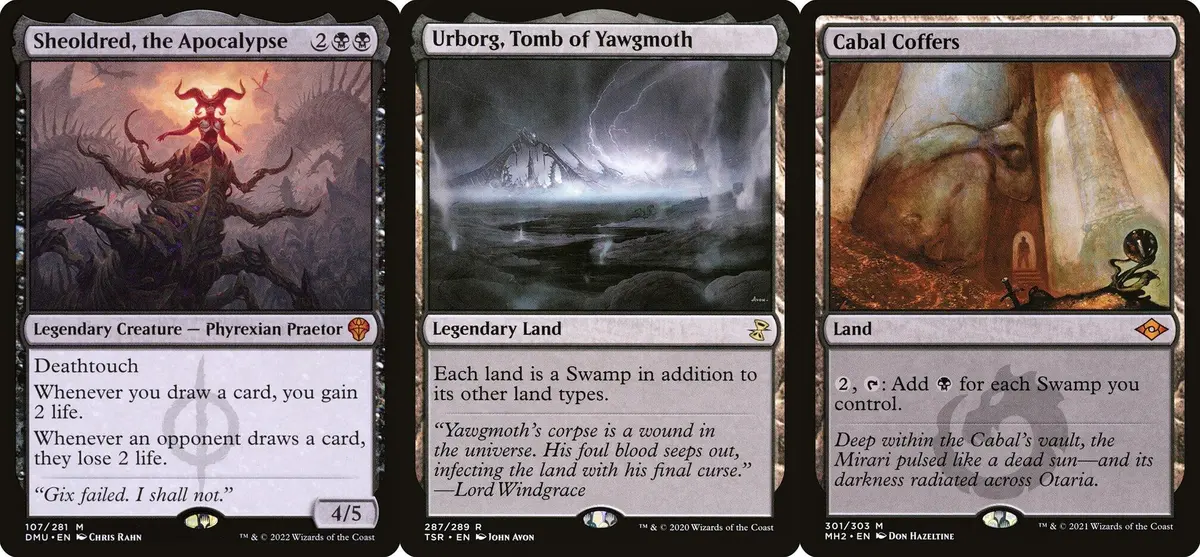
Matchup outlook: even / sideboard games may be slightly unfavored
You may want: Spreading Seas, FON, 1-2 Dismember, Tishana’s Tidebinder
You probably don’t want: Subtlety
- FON and Tishana’s Tidebinder are for dealing with the Ring, and Tishana’s Tidebinder can also answer Sheoldred, the Apocalypse and Karn.
- We may have 4-8 cards that turn the opponent’s lands into Islands, so the focus should be on sealing off Cabal Coffers and Urborg, Tomb of Yawgmoth. The opponent relies heavily on these two cards to burst out huge amounts of mana.
- Likewise, watch for a Bowmasters flash-in when they’re on two lands.
- In this matchup, Vodalian Hexcatcher is a card that protects other high-value targets early (that is, you use it as a counterspell).
- Engineered Explosives in the sideboard is a major threat; don’t let it resolve successfully, or at least keep Tishana’s Tidebinder in hand.
- The opponent’s life total drops on its own early, they don’t have many blockers, and the main deck usually has only one sweeper. So just keep three creatures on board and charge forward.
- Attack first, then deploy creatures. If a creature gets killed, so be it; making the opponent spend their removal is an important part of the plan too.
- For a detailed deck introduction, see: Mono-Black Cabal Coffers: Play Cards by Lifegain, Easy and Relaxed.
Mono Green Tron
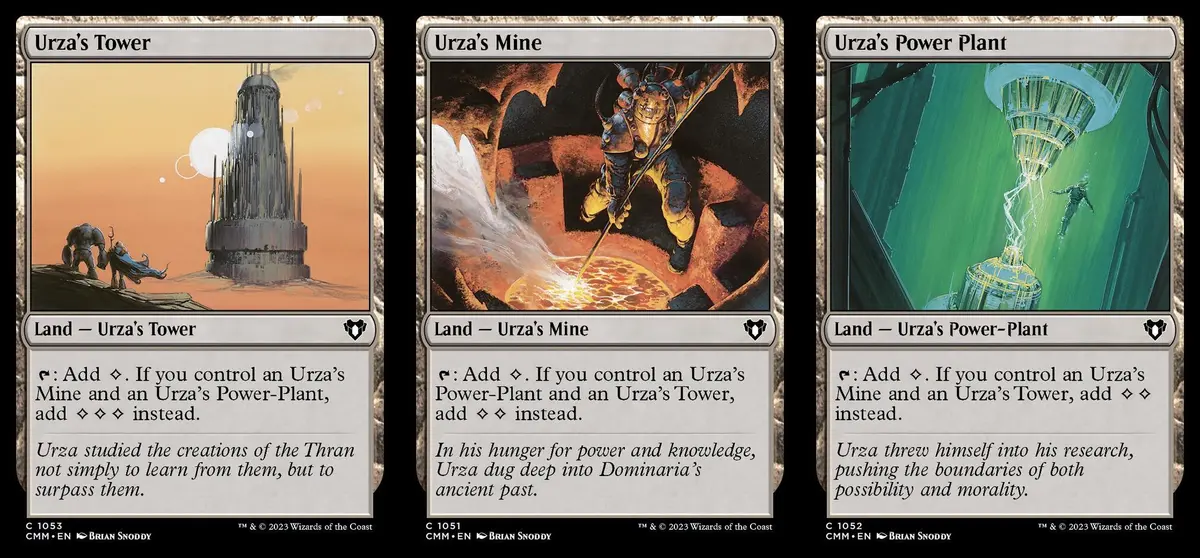
Matchup outlook: slightly favored
You may want: Spreading Seas, FON, Tishana’s Tidebinder, 1-2 Subtlety
You probably don’t want: Dismember
- The opponent has an obvious gap in the early game and not much removal, so just go all out on building your board.
- Watch whether the opponent’s lands are assembled; FON or other counterspells can aggressively stop Sylvan Scrying.
- Don’t let Karn resolve; once it does, it digs up a pile of tools that can turn the game around. It also stops Vial from being activated. So the cards listed above are mostly there for Karn.
- You don’t need Hurkyl’s Recall in the sideboard, because the opponent will mostly just sacrifice their artifacts directly.
Hammer Time
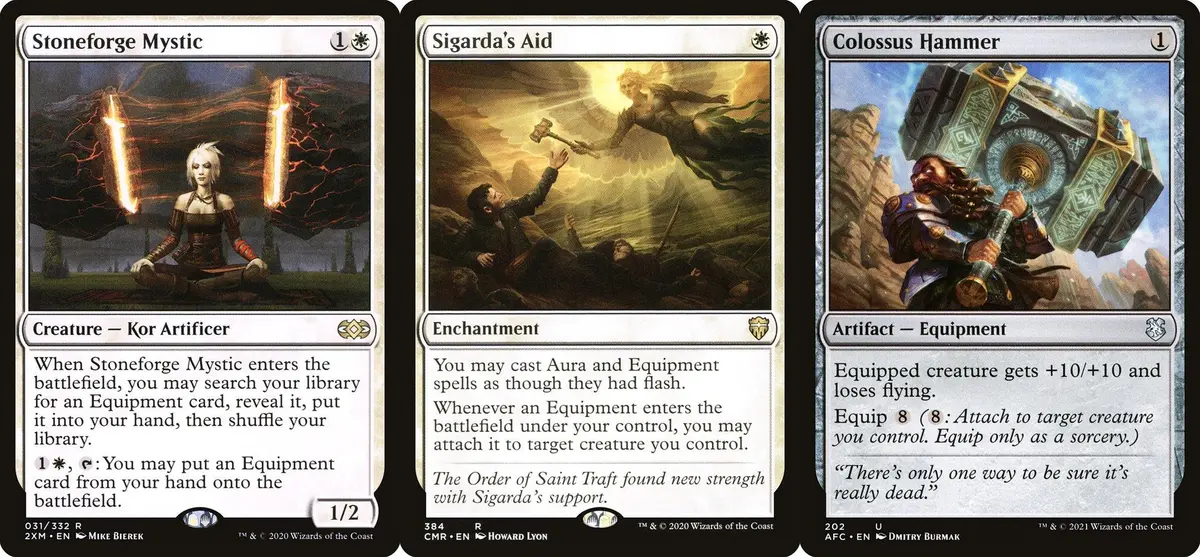
Matchup outlook: even (play/draw is crucial)
You may want: Chalice of the Void, Tishana’s Tidebinder, Merfolk Trickster, Hurkyl’s Recall, a few Dismember
You probably don’t want: FON and Subtlety
- A matchup decided by play/draw, like a fistfight or rock-paper-scissors.
- Try to have blockers for all the opponent’s small creatures, or else a Hammer coming down might kill you outright. This is especially true when Sigarda’s Aid is on the battlefield, or when a Hammer or Shadowspear is lying around, because the opponent will find a way to attach it.
- Constructs are a huge threat, since the whole board will have a lot of artifacts. So holding Merfolk Trickster is very important; when the opponent tries to attach something, flash it in and kill the creature first.
- Keep Tishana’s Tidebinder locked on Stoneforge Mystic; both its enter-the-battlefield search for equipment and its activated ability are great counter targets.
- Dismember can handle living weapons that come straight onto the battlefield, ignoring the indestructible ability of Kaldra Compleat.
Other Decks
Since most of these matchups are even and the sideboarding is intuitive, we won’t go into detail.
Boros Burn: roughly even
- Use Chalice of the Void to lock the opponent’s one-drops; in the mid to late game, if you draw extras, it’s fine to keep locking two-drops too. We still have a chance in a creature race, but if the opponent just goes face, there isn’t much we can do to stop it.
- Likewise, FON and Vodalian Hexcatcher are ways to protect your life total. Current Burn builds run very few creatures.
- Send the opponent Islands as much as possible to stop two or three burn spells in one turn.
Hardened Scales: slightly unfavored in main deck games; slightly favored in sideboard games
- In main deck games, try to stop Cauldron; in sideboard games, just send them home with Hurkyl’s Recall.
Affinity: even to slightly favored
- Just watch out for Spell Pierce.
- Dismember costs only one mana, so remember you can use it to kill creatures already on the battlefield before Springleaf Drum is cast.
- In the sideboard, again, treat them to Hurkyl’s Recall.
Living End: slightly favored
- Similar to the matchup against Rhinos; just stop Living End from resolving. You can bring in Mistcaller.
- When they cast Living End, send whatever creatures you can into the graveyard, such as Subtlety or various sacrificed Merfolk, and the opponent will be in an awkward spot.
Amulet Titan: slightly favored to heavily favored
- Early on you can aggressively counter Amulet of Vigor, because once two Amulets are on the battlefield and we have no Elemental to stop them, we’ve basically lost. At the extreme the opponent can kill us on turn 2. Keep Subtlety and Tishana’s Tidebinder for Titan. Subtlety is the best answer at that point, since Tishana’s Tidebinder is a bit slow.
- If the opponent goes the Colossus route, beat it with Merfolk Trickster, or tap it with Merrow Reejerey.
- The opponent’s Dryad of the Ilysian Grove makes all lands Islands too, so keep in mind you can use islandwalk to blow them out directly.
Conclusion and Outlook
Overall, Merfolk is a deck with a lot of potential, especially with LCI’s release. Besides the new set having just come out, the current environment will also change drastically because of the 12/4 bans. The likely future is that Merfolk’s disruption gets stronger, overall costs rise, and the tempo slows down. If you take the Hexproof Token build around Deeproot Pilgrimage into account, board development and aggression may also trend more conservative.
As for how the environment shifts after the bans, it is predictable that Yawgmoth decks will get stronger with the passing of Fury, so Bowmasters will show up more often. However, Fury’s one-for-many has always been the natural enemy of creatures, and a deck like Beanstalk that gains resources so powerfully is also bad news for Merfolk. So Merfolk can hope to see a little glory in the future.
Finally, here are some takeaways on piloting the deck.
Strengths:
- Very flexible play, and it hides hand information well.
- Lots of lords, making it easy to pile up an offense beyond what the opponent expects or has prepared for.
- Has an edge against decks that bring their own Islands.
- Less afraid of Blood Moon.
Weaknesses:
- Mana is tight, so it’s usually hard to hold up mana to counter the opponent.
- Extremely afraid of sweepers and spot removal.
- Resources dry up rapidly in the mid to late game and are hard to replenish.
- Relies on the teamwork of many Merfolk; individual creature quality is mostly poor.
Key Points of Play:
- Hold up mana to do things, and be patient. Keeping blue lands untapped forces the opponent to play more conservatively.
- Hide information as much as possible, and look for chances to counterattack.
- Pay attention to subtler information like game tempo and board advantage, and control the tempo appropriately.
- Since Merfolk lacks card draw and filtering and isn’t a toolbox deck, design the sideboard around “few kinds, many copies” as much as possible. Many cards used in key matchups or with narrow targets are as good as not being in the deck if you don’t draw them in sideboard games (such as Hurkyl’s Recall / Subtlety / Chalice of the Void). So it’s generally recommended to pick cards that can effectively flip a bad matchup for the sideboard, going with 3/3/3/3/3, 4/4/4/3, or 3/3/3/2/2/2.
- Title
- The Flash Deck Your Opponent Can't Counter: Mono-Blue Merfolk
- Author
- classiccool
- Created at
- December 6, 2023
- License
- This work is licensed under CC BY-NC-SA 4.0 .