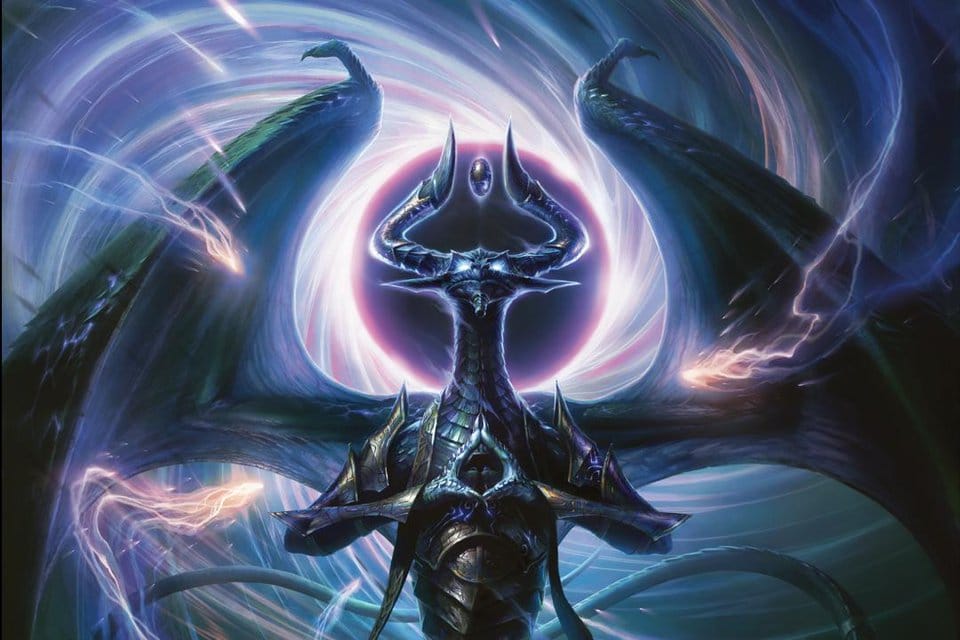
Wicked Torment: Pioneer Bolas Mirth

Note: This article was translated from Chinese by AI and may contain errors. Read the original Chinese version.
Before We Start
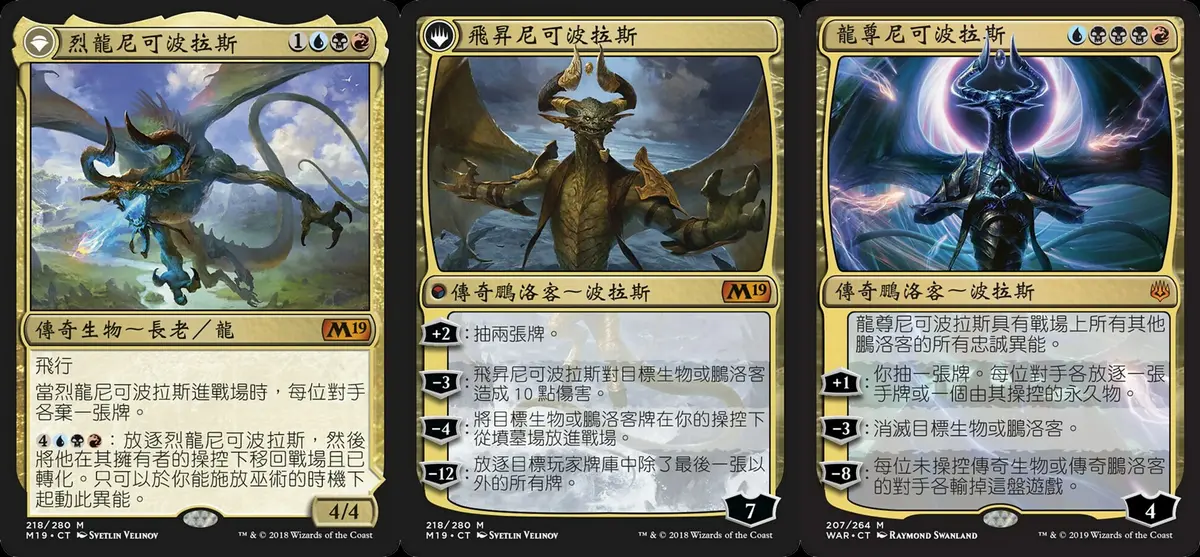
In Magic’s lore, the Elder Dragon Nicol Bolas, Planeswalker stands at the pinnacle of all planeswalkers, and this is reflected in card power too, especially the two most recent versions with relatively light costs, Nicol Bolas, the Ravager // Nicol Bolas, the Arisen and Nicol Bolas, Dragon-God, which have more room to shine in regular constructed formats. Over the years many players have built Bolas-themed decks, such as creature midrange, Dragon tribal, traditional control, planeswalker-heavy builds, and so on. So, what would it be like to play one paired with the enchantment theme of the new set, Duskmourn: House of Horror?
Card Breakdown
Since Nicol Bolas, the Ravager // Nicol Bolas, the Arisen needs extra mana to flip before it can show its full performance, we’ll use Nicol Bolas, Dragon-God as the core of the build for this explanation:
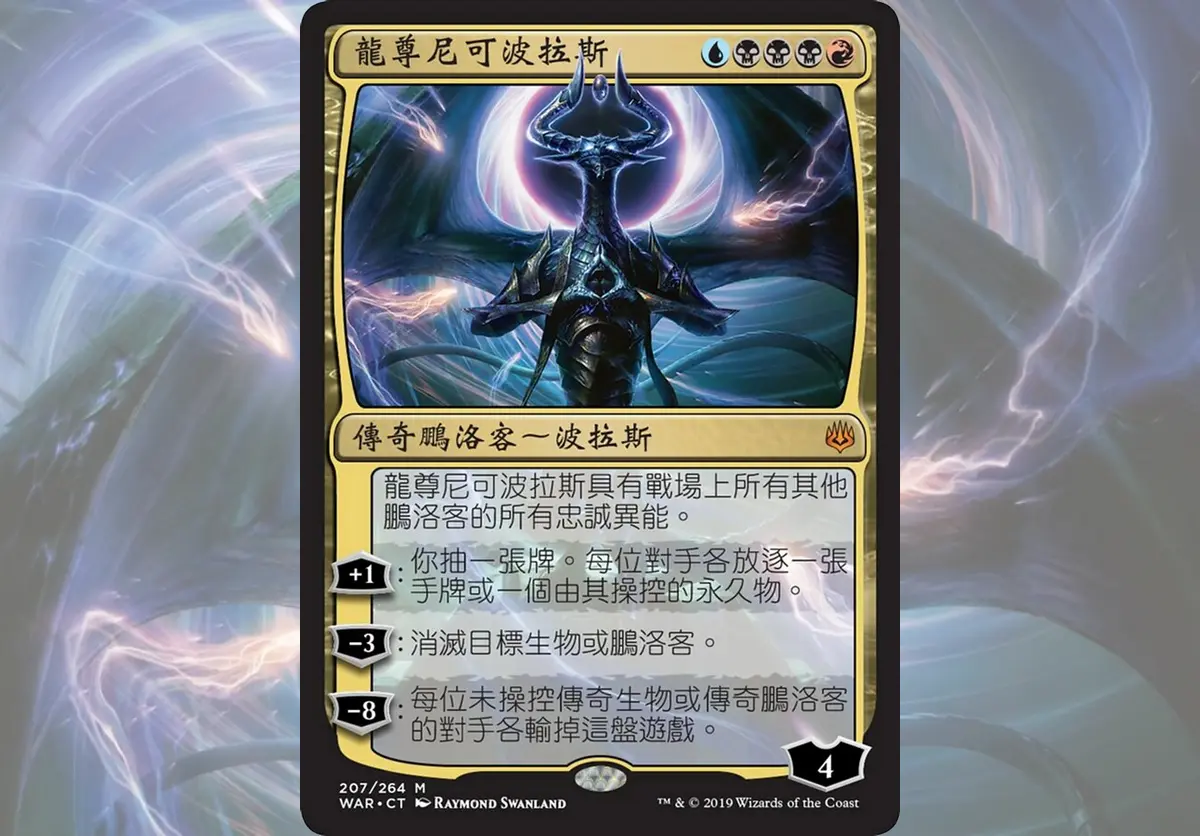
Setting aside the static ability, Nicol Bolas, Dragon-God is a standard five-mana template planeswalker: [+1] draws a card, [-3] clears the board, [-8] ultimate wins the game, and the [+1] that draws a card also forces the opponent to exile a card from hand or a permanent. It’s quite powerful, and you could call it the Teferi, Hero of Dominaria of the Grixis color group. But compared with the land untap bundled with Teferi’s [+1], Dragon-God has bigger gaps, so you need to do some prep work before it lands: suppress the opponent until they can only rely on a TOP DECK to handle Dragon-God.
To achieve this, a discard-control build that controls both the board and the hand is a reasonable direction. The example on the table is a Waste Not deck, but its only interaction with Bolas is the Ravager discarding a card on entering, and mixing into three colors for that really isn’t worth it. So the author turned his eyes to Duskmourn’s brainy enchantment Disturbing Mirth:
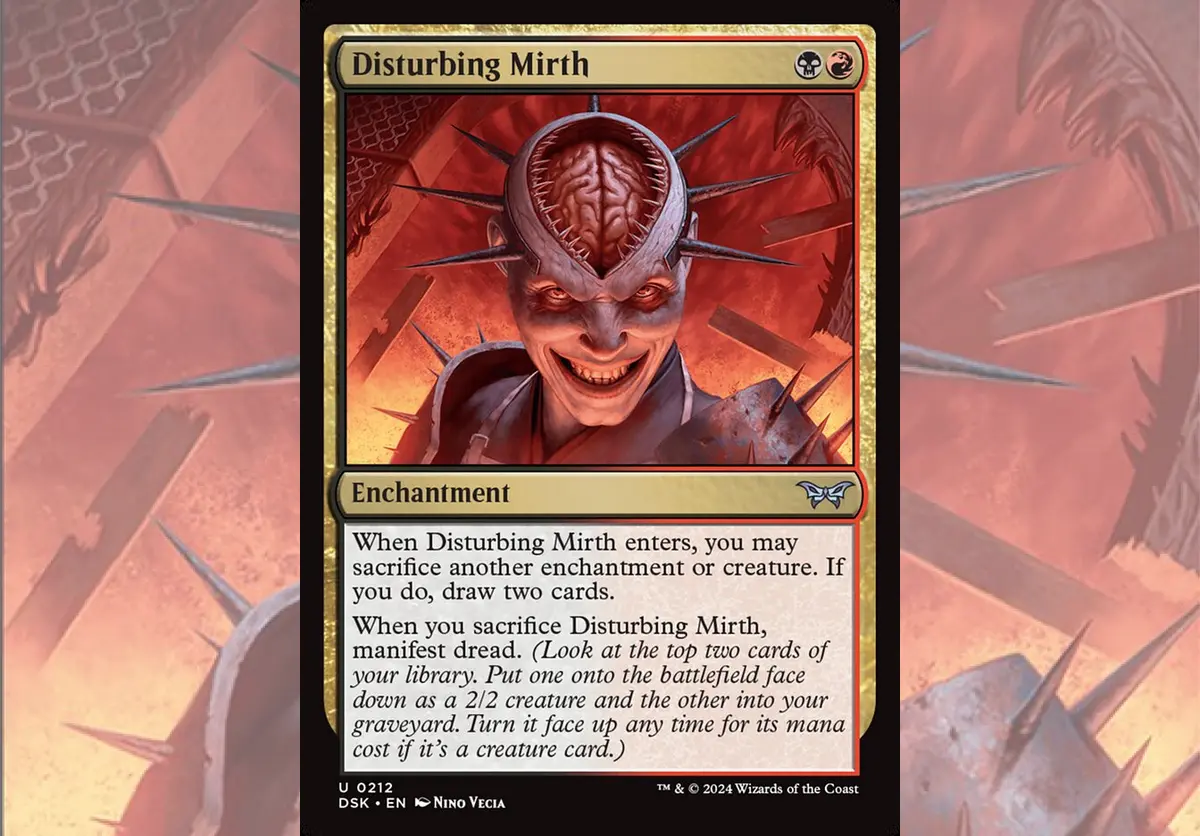
Disturbing Mirth
Enchantment
When Disturbing Mirth enters, you may sacrifice another enchantment or creature. If you do, draw two cards.
When you sacrifice Disturbing Mirth, manifest dread. (Look at the top two cards of your library. Put one of them onto the battlefield face down as a 2/2 creature and the other into your graveyard. If it’s a creature card, you may turn it face up at any time for its mana cost.)
As long as you have a creature or enchantment to sacrifice to Disturbing Mirth and a way to sacrifice Disturbing Mirth itself, it can bring satisfying card resources: two cards in hand and a manifested 2/2 that may be flippable. It’s even better if what was sacrificed itself earned cards. The decklist is as follows:
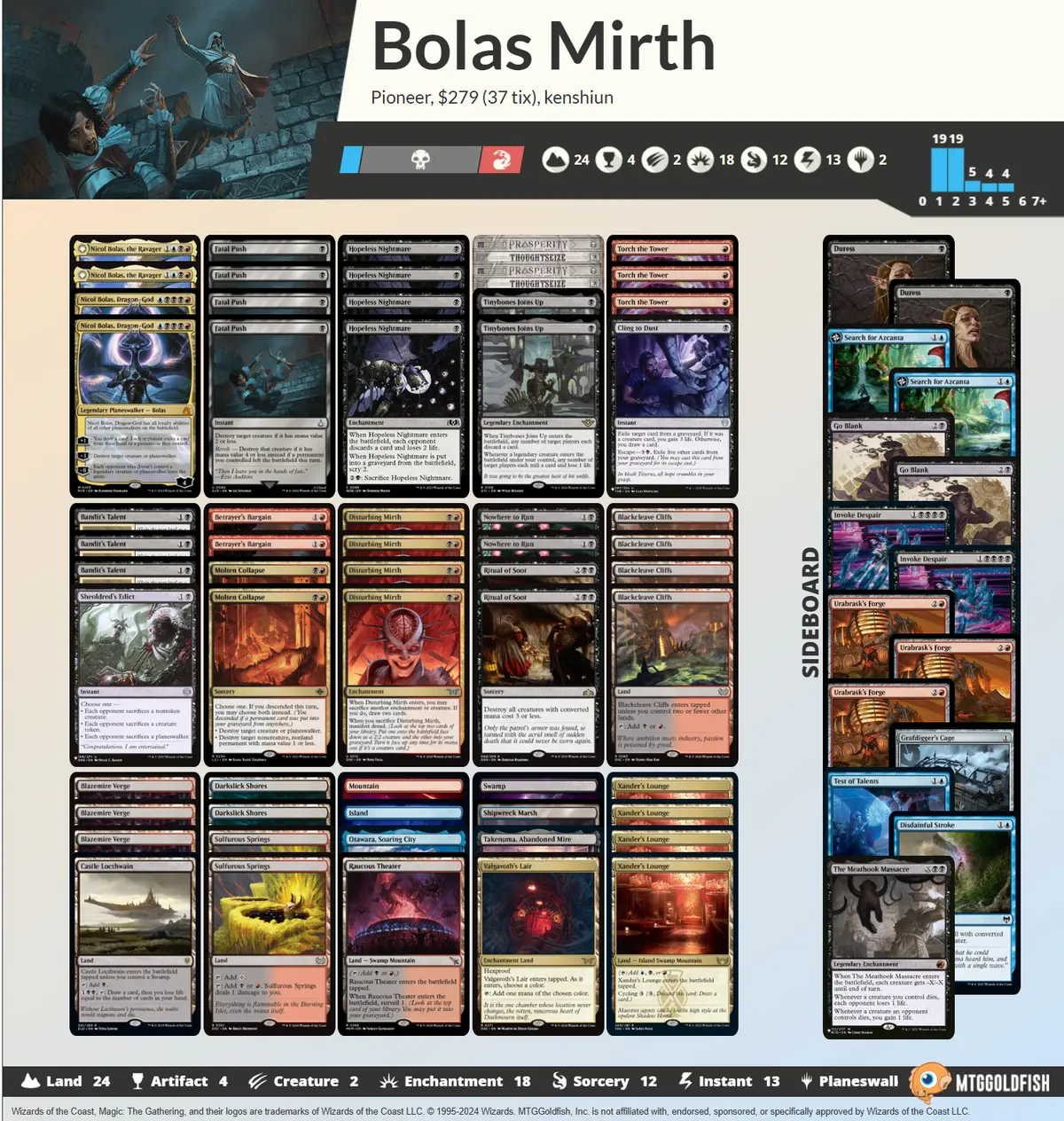
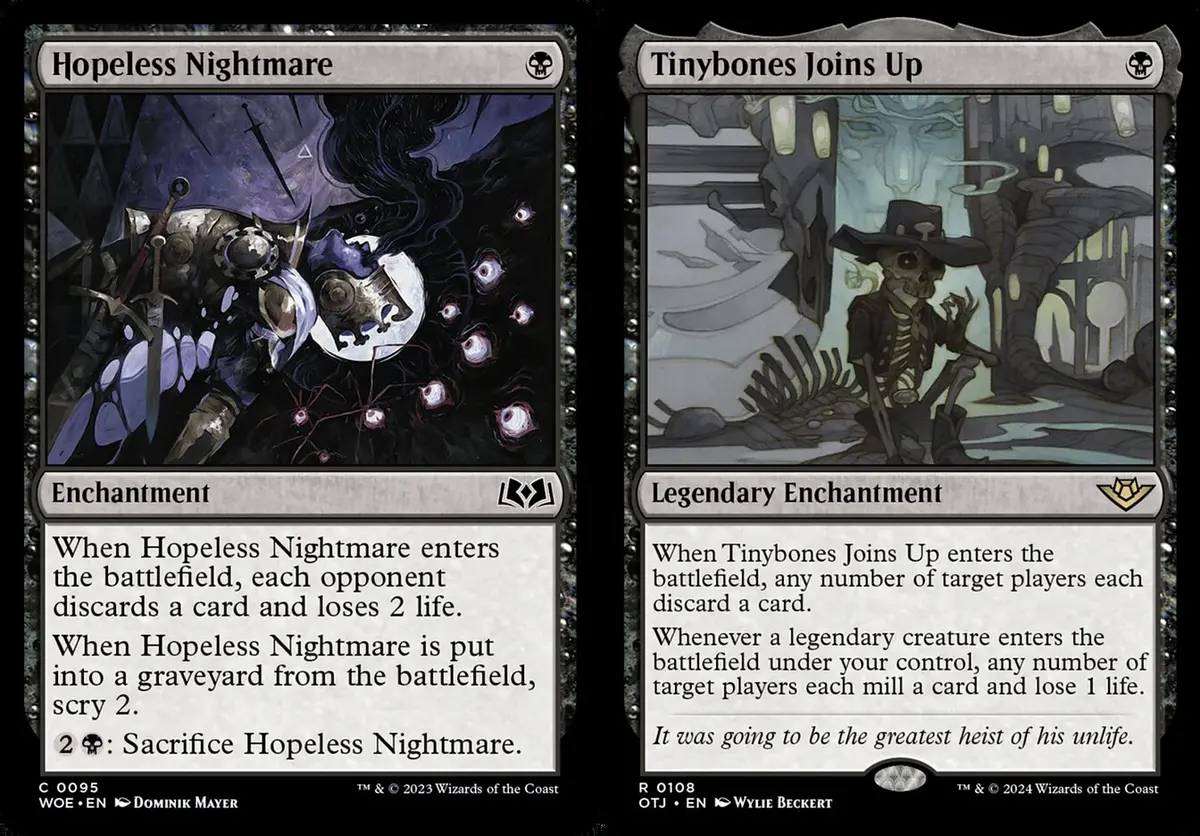
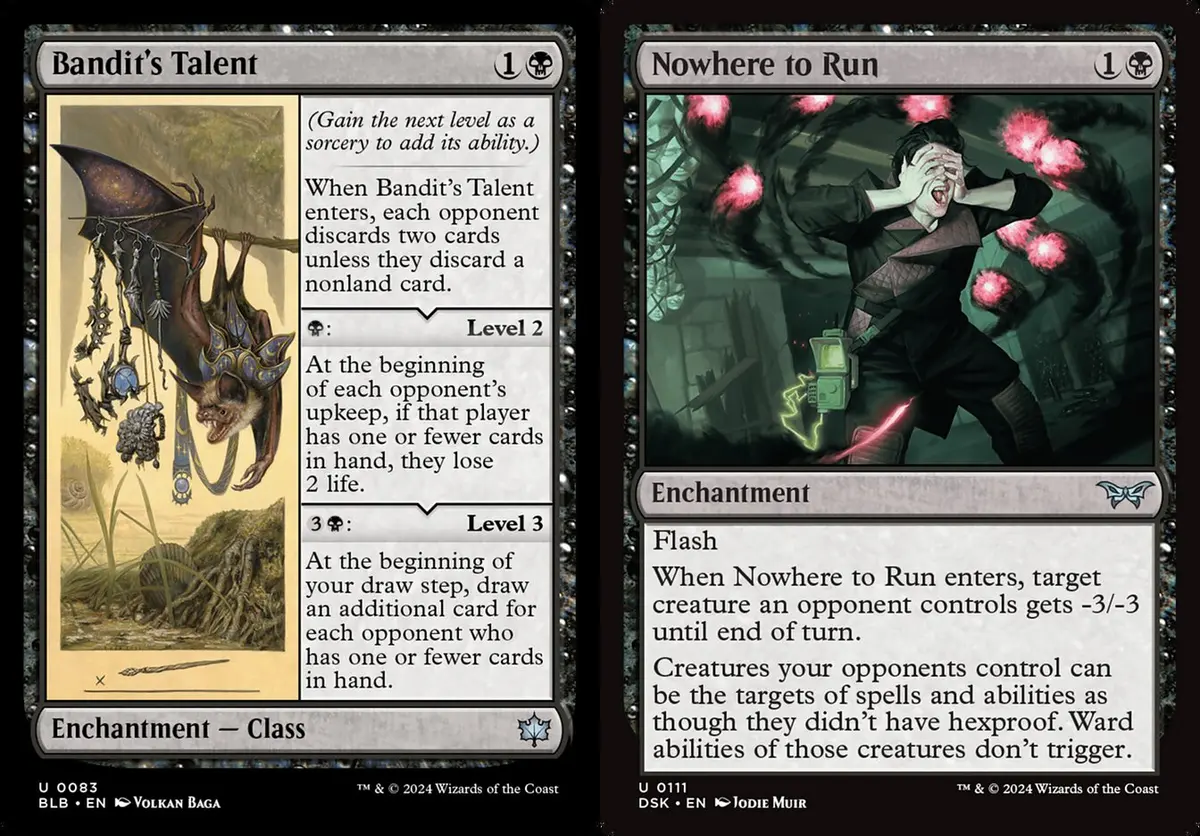
In the Standard card pool we can find the discard-on-enter cards Hopeless Nightmare, Tinybones Joins Up, and Bandit’s Talent, as well as the removal spell Nowhere to Run, which can nullify the opponent’s creatures’ hexproof and ward. These low-cost enchantments that earn card advantage on entering give us fodder to sacrifice on board by the first two turns.
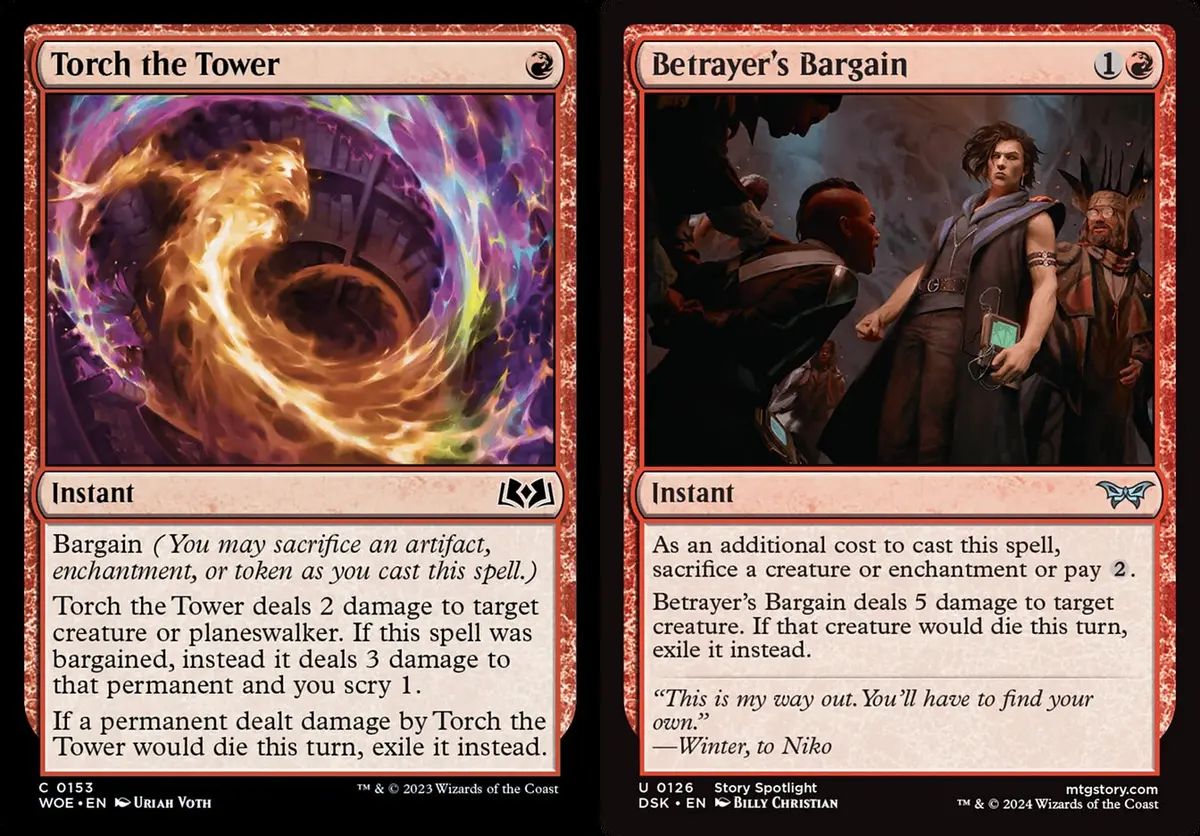
As for ways to sacrifice enchantments, besides Disturbing Mirth we also chose two instant-speed exile burn spells, Torch the Tower and Betrayer’s Bargain, to suppress the currently popular throw-style Rakdos aggro, and to give Arclight Phoenix a proper welcome along the way.
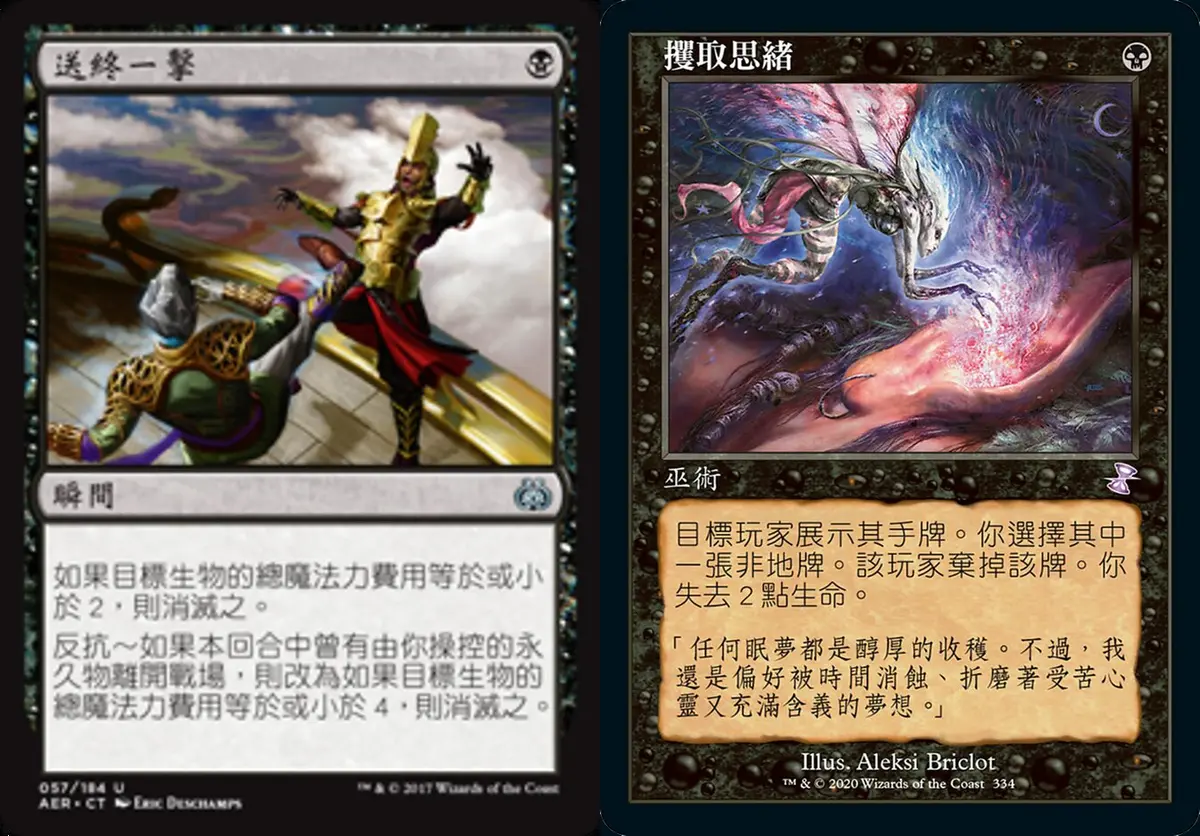
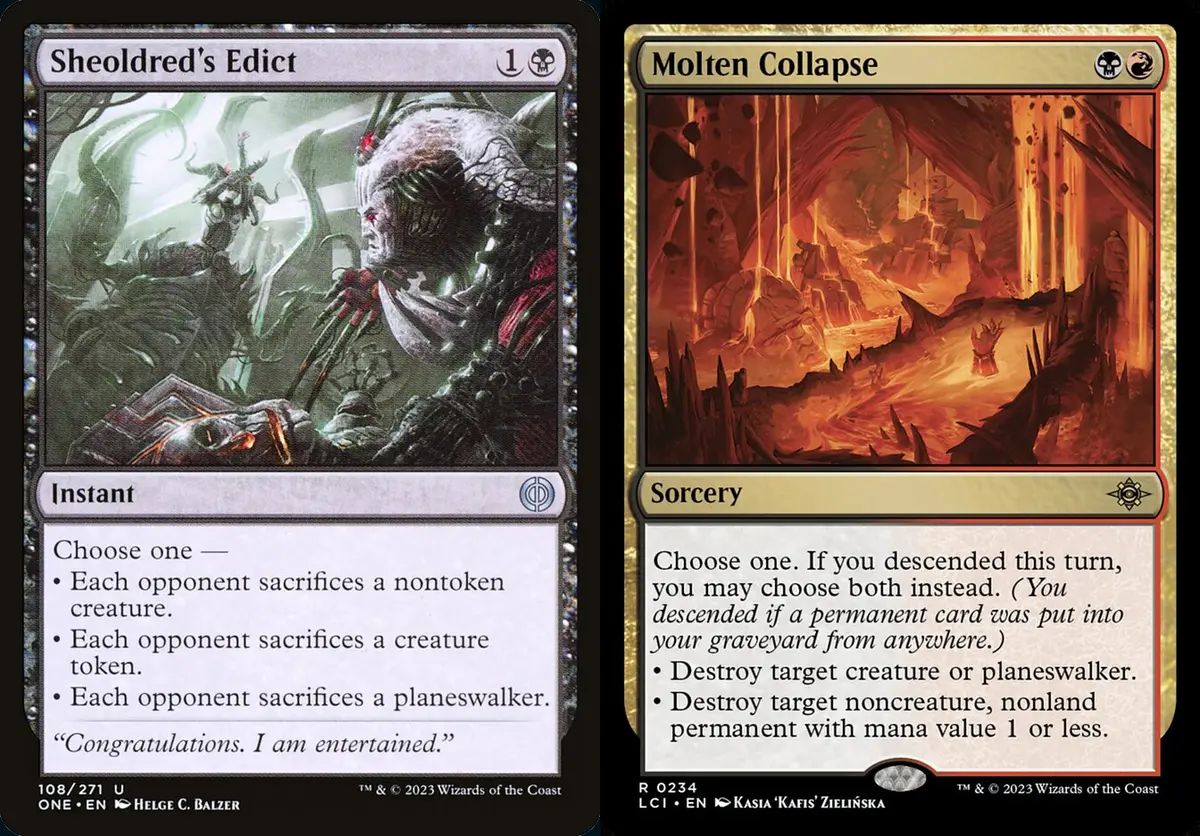
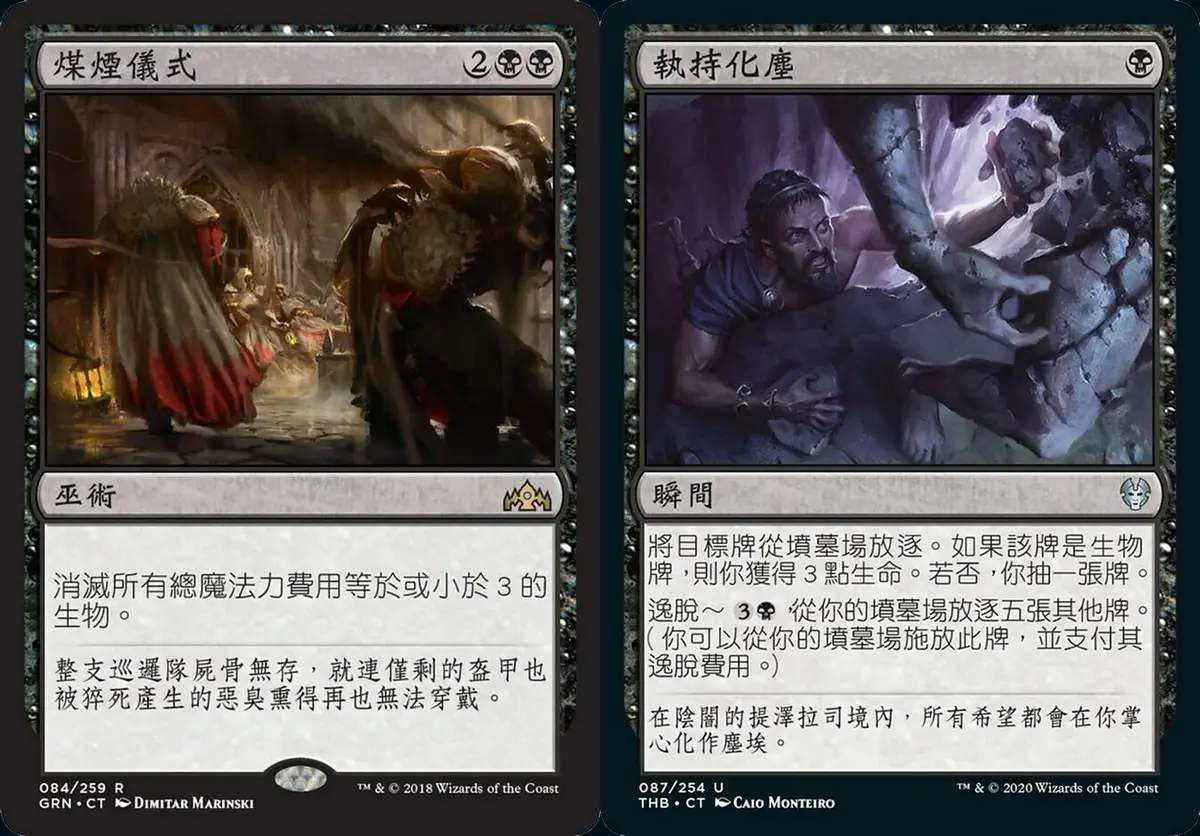
With the enchantment-related components covered, next comes the regular instants and sorceries. First we include the Pioneer black staples Fatal Push and Thoughtseize, then Sheoldred’s Edict and Molten Collapse as answers to planeswalkers and big creatures. The latter can directly tear down sacrifice decks’ Scavenger’s Talent and Witch’s Oven, and in this deck it can actively get cards into the graveyard, with a chance of a 2-for-1. We also add two Ritual of Soot, which don’t sweep away the Ravager, to deal with decks that spread wide, plus one Cling to Dust, aimed at graveyards while also refilling resources, as a supplement.
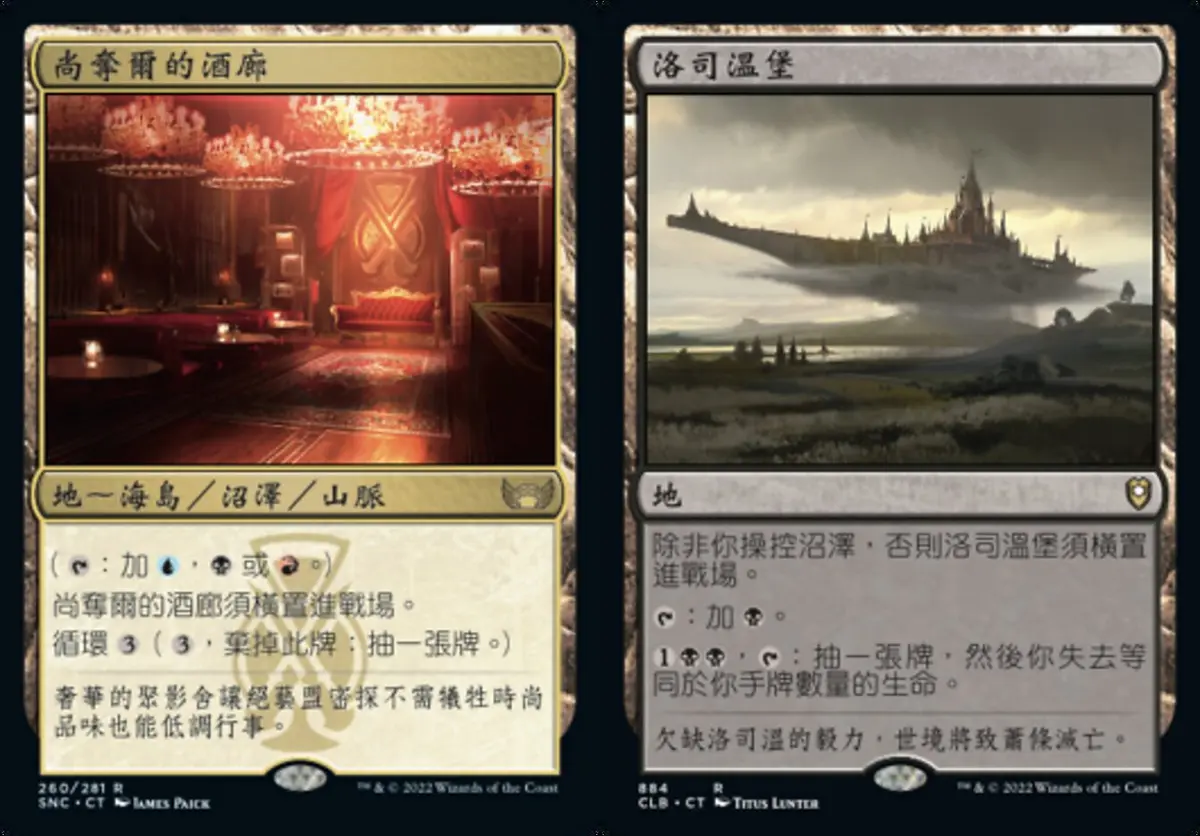
The mana base follows the principle of not losing life, so it doesn’t include shock lands; instead it’s built from assorted enters-untapped lands plus the three-color cycling land Xander’s Lounge. In addition, to satisfy Dragon-God’s demanding color requirements, the overall configuration is heavy on black, then red, with blue last. Readers may feel there are too few utility lands (only one Castle Locthwain); please adjust on your own according to the color ratios.
Gameplay Demo
Playing BO1 in the Mythic bracket on MTGA, the frequency of running into throw-style Rakdos aggro isn’t as high as before Mythic, but it’s not much lower either. As long as you have enough cheap removal, it’s not too hard to handle. I kept a hand with three removal spells and smoothly cleared the opponent’s early damage dealers, so when discarding, the opponent could only prioritize protecting a creature and discarded Monstrous Rage, which took even more pressure off me. After the opponent was cleaned out, they pulled out their last resort, Jegantha, the Wellspring, which I answered by slamming Dragon-God and using [-3] to remove it. With only lands left and their resources suppressed by Dragon-God, the opponent finally conceded.
Although this deck has six ways to exile Arclight Phoenix, a Phoenix that gets going is still hard to handle, but luckily the opponent was on the unlucky side. Early on I used Thoughtseize to discard the opponent’s Artist’s Talent, stopping them from looting quickly. The opponent then slammed Ashiok, Dream Render to mill from both sides, self-milling 12 cards without hitting a second Phoenix. The opponent had to cast the Phoenix in hand, which I dealt with using Nowhere to Run. The opponent then tried to attack with Hall of Storm Giants and was promptly treated to a Fatal Push, and I followed up with Cling to Dust to deal with the Phoenix in the graveyard. Seeing the opponent had no immediate threats, I slammed Dragon-God to start putting pressure on them. On the next turn the opponent cast Treasure Cruise, then triple-adventured Picklock Prankster // Free the Fae and milled into a Phoenix that jumped straight out, but unfortunately I was well prepared and sent it away with Torch the Tower. Although the opponent saved a third Phoenix from Betrayer’s Bargain by suiciding, and also surveilled into a fourth Phoenix, which looked like it still gave them a chance to turn things around, the opponent lost the will to fight soon after with their hand completely gone, and pressed concede to end the game.
Conclusion
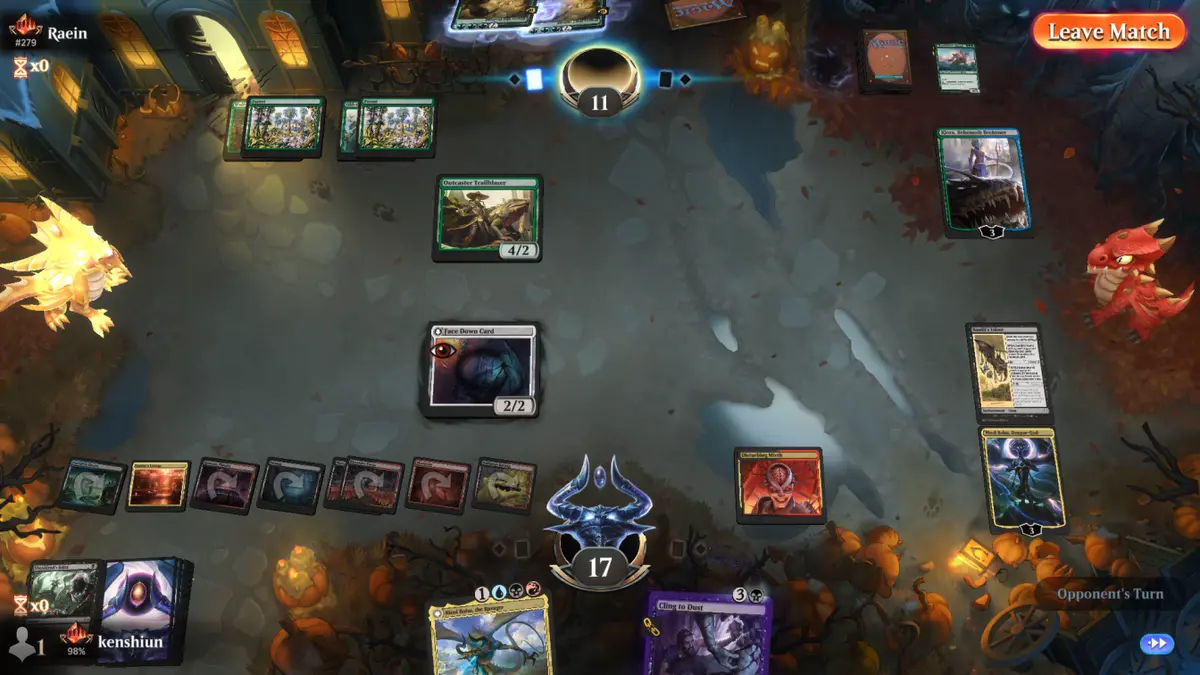
This Bolas deck’s main deck holds up well against aggro and regular midrange, and can also fight proactive sacrifice, reanimator, and devotion decks, but because it lacks proactive ways to attack and has lots of creature removal, it’s at a considerable disadvantage against passive decks that refill resources, such as white-blue control. Other than that, the overall play experience isn’t bad. In fact, the author climbed to Mythic this season on MTGA with this deck and a retuned Ninja deck. Readers who enjoy watching Bolas torment their opponents may want to give it a look.
- Title
- Wicked Torment: Pioneer Bolas Mirth
- Author
- JerobaMTG
- Created at
- October 21, 2024
- License
- This work is licensed under CC BY-NC-SA 4.0 .