Not Convoke, Aggro: A Standard Azorius Aggro Deck

Note: This article was translated from Chinese by AI and may contain errors. Read the original Chinese version.
Introduction
Hi everyone, I’m Weihow, a player who got into the game when MKM released in 2024. I’m delighted to have earned a MIT#9 slot at the MITQ at Shilin Cat Footprint (士林貓腳印) on 20250105, and honored to be invited by cephille to share my thoughts on Azorius Convoke Aggro. Everyone online calls this deck Convoke, yet it doesn’t have a single Convoke card. Since the mana curve is lower and the deck wants to win early, I think calling it Aggro makes more sense. Next I’ll cover why I picked this deck, how it works, and its good and bad matchups.
Why Play This Deck?
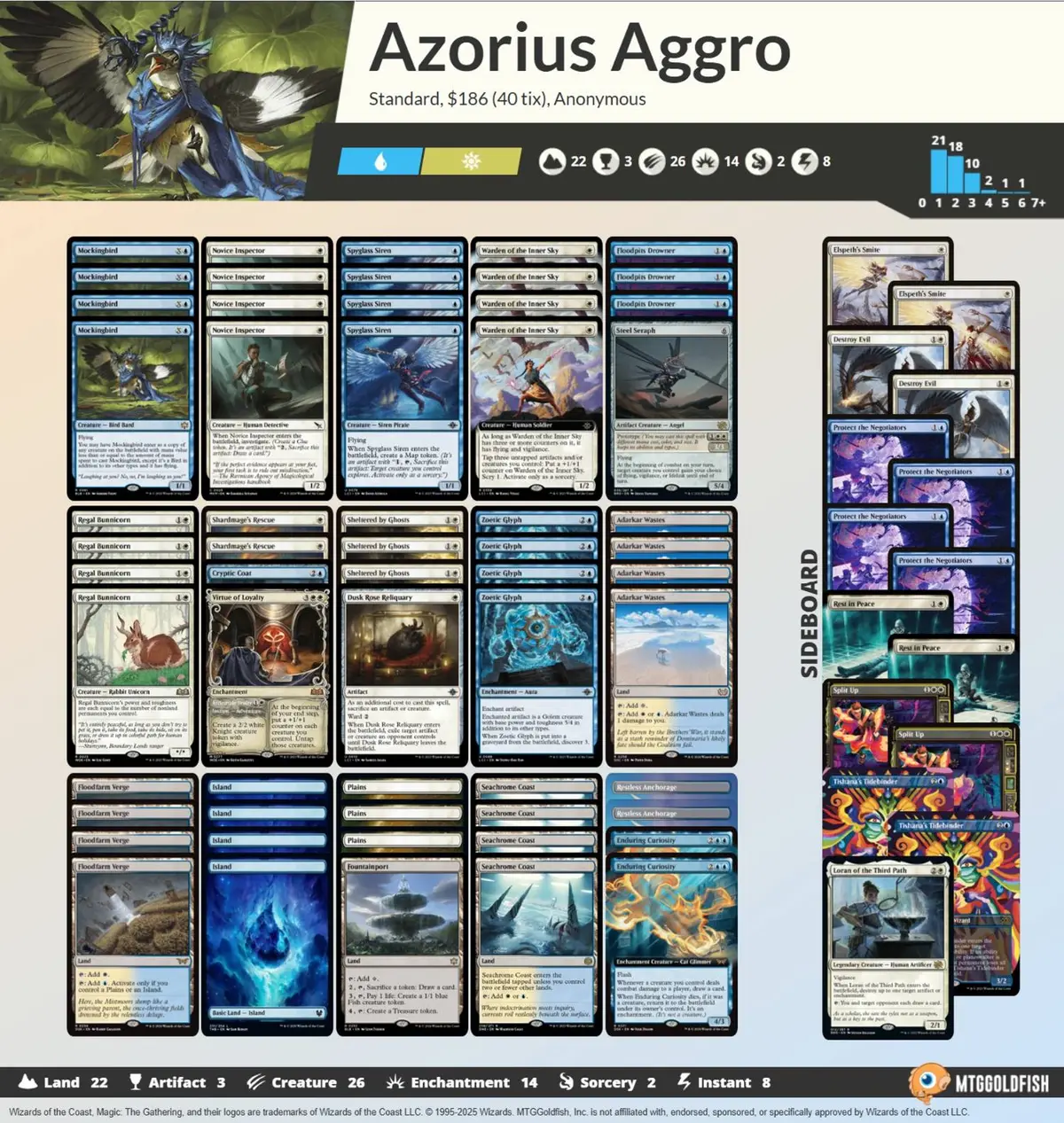
Azorius Aggro puts pressure on the opponent by flooding the board early. In matchups such as Dimir midrange, Golgari midrange and Mono-Red Aggro (all common decks), it makes it hard for them to remove your artifacts and disrupts their tempo. Open with Warden of the Inner Sky to loot quickly, then find Zoetic Glyph on turn three to enchant an artifact. Even if that 5/4 body is destroyed, you can replenish resources through Discover or by returning it to hand. In the midgame, Enduring Curiosity makes up for a lack of card draw; finally, Restless Anchorage and the fliers close out the game. You keep the advantage from the opening until the end of the game.
How the Deck Works
Creatures and Attackers
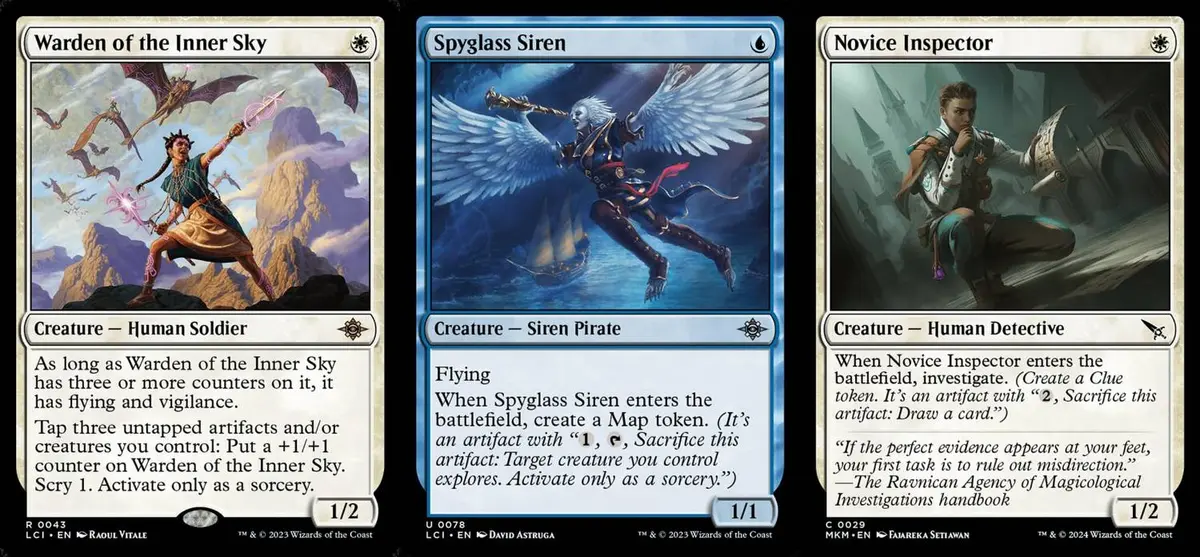
Warden of the Inner Sky works with Novice Inspector and Spyglass Siren to loot quickly (Convoke?). Besides looting, it also puts counters on itself; with three or more counters it gains vigilance and flying, getting over ground creatures. If you land an artifact creature in the first two turns, then on turn three it basically has flying and vigilance, which easily creates huge pressure.
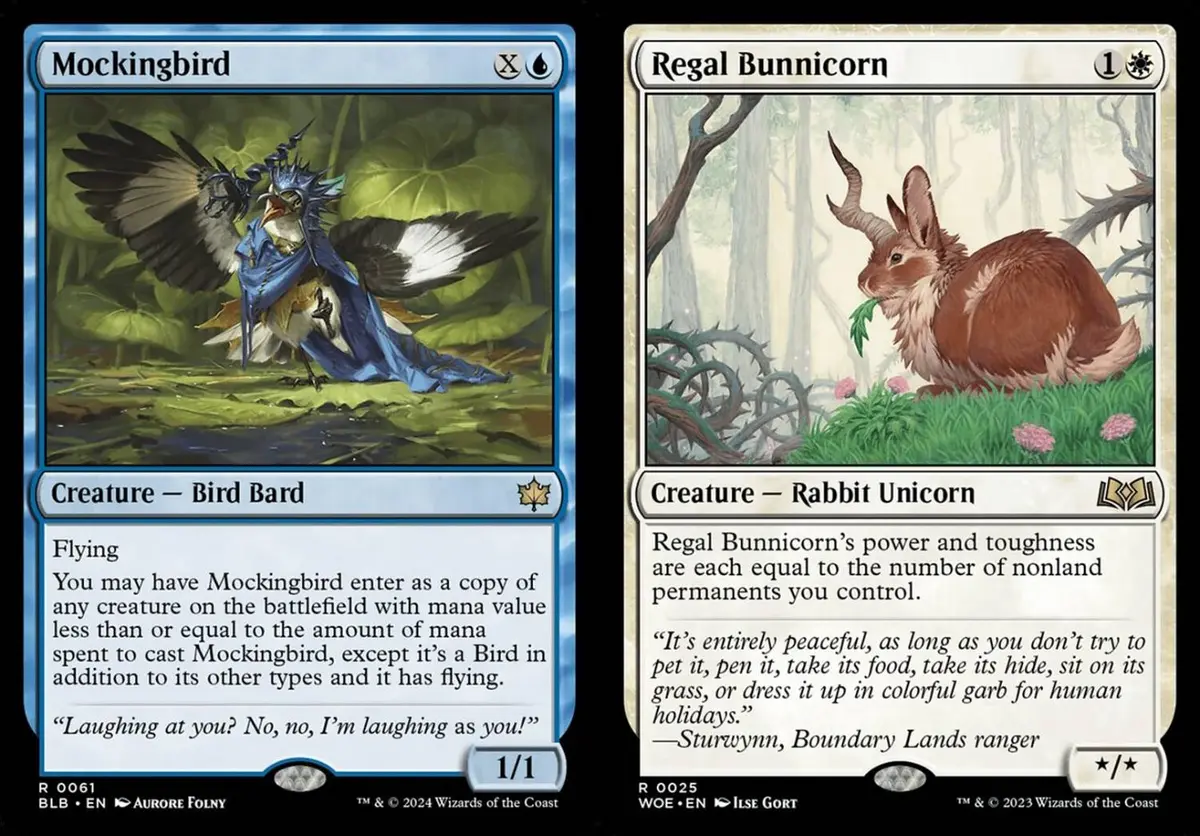
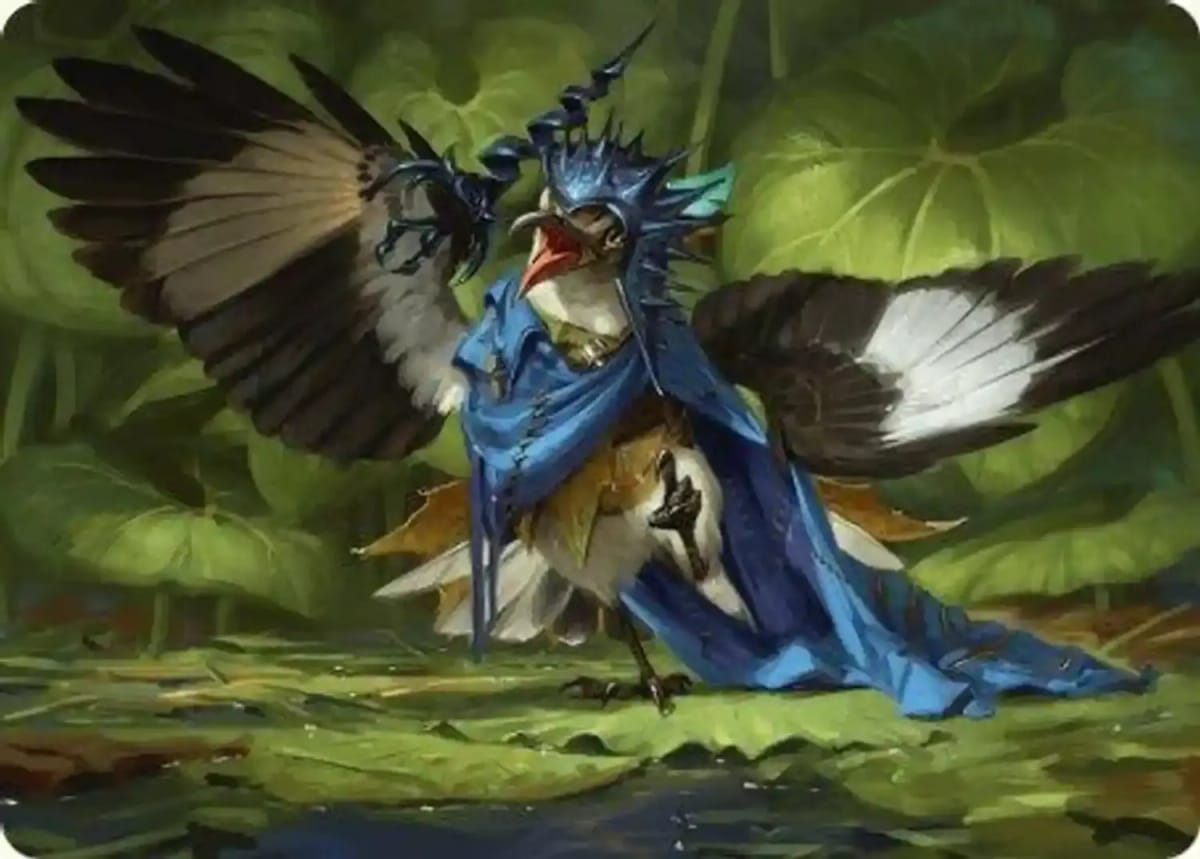
Mockingbird can copy a creature early to add power, and it flies too. The most common combo is probably copying the Bunny or copying an artifact creature. If the opponent has a big creature, copy theirs instead. For example, if you copy a Golgari player’s Thrun, Breaker of Silence, they may find themselves unable to remove their own creature.
Regal Bunnicorn (the Bunny) works with the many nonland permanents in the deck and snowballs easily. Artifact creature on turn one, Bunny on turn two, artifact creature on turn three… the opponent has probably lost.
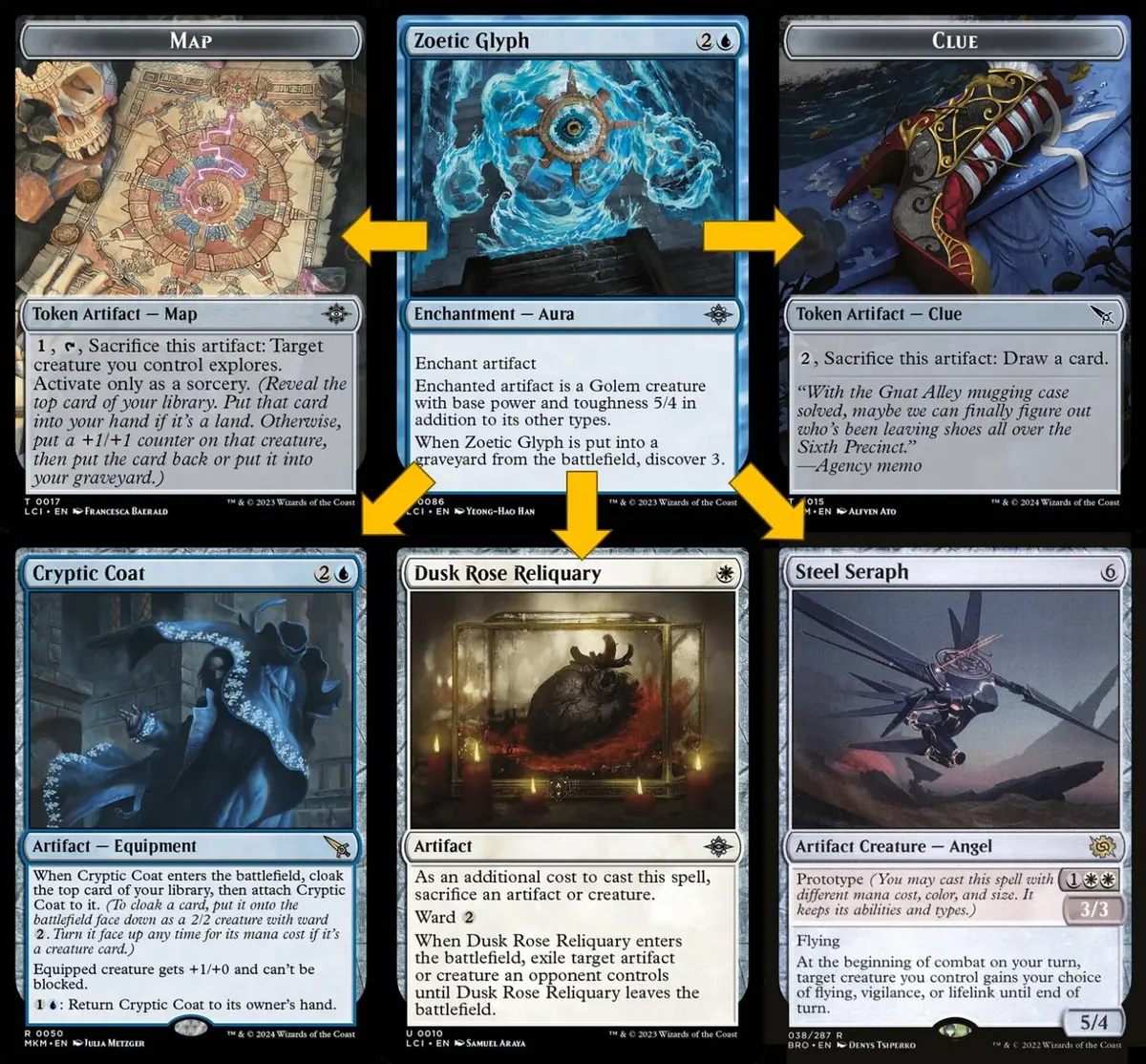
Zoetic Glyph is an Aura that turns an artifact into a creature: for just 3 mana you get a 5/4 body, and when it goes to the graveyard you can Discover. With luck you find another Zoetic Glyph, which can Discover again when it dies, looping repeatedly. Unless it gets removed on turn three right as you play it, by something like Tear Asunder, it’s a creature that trades one-for-two.
Steel Seraph is an artifact angel that doesn’t fear GFTT. If there’s no artifact on the board, you can enchant it with Zoetic Glyph to make a 5/4 angel. At the beginning of combat you can give a creature vigilance, flying or lifelink: lifelink to gain life, flying to beat down. But it costs 3 mana, which is a bit crowded for constructed, so I only play 1 copy.
Dusk Rose Reliquary has the drawback of requiring you to sacrifice an artifact or creature, but that’s no problem in this build. As a one-mana removal spell with ward 2, you can remove a creature and then enchant with Zoetic Glyph, which presents the opponent with a huge threat.
Cryptic Coat (the Coat) can cloak the top card of your library when it enters; with luck you get the Bunny, and it can’t be blocked and has ward 2. This is normally a sideboard card, but I wanted to steal a few percentage points against control and Domain, so I put it in the main deck. If you manage to steal one game, then in game three we’re on the play and the pressure on the opponent will be huge.
Lands
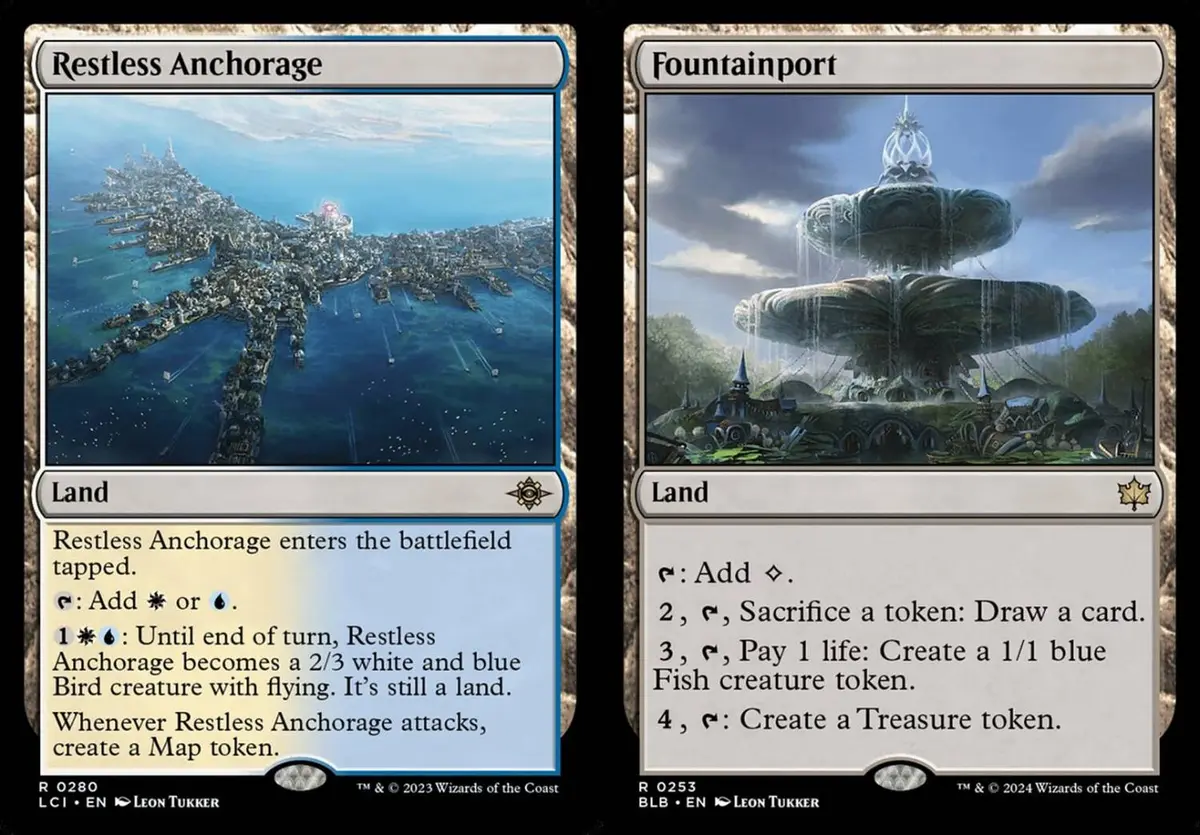
Restless Anchorage plays the finisher in the mid to late game: when it attacks it makes a Map token, which can also grow the Bunny, feed Dusk Rose Reliquary, and serve as a target for Zoetic Glyph, so it’s very flexible to use.
Fountainport is a perfect three-in-one: sacrificing tokens draws cards, paying 1 life for a Fish makes a body to attack with, and Treasure tokens can be enchanted by Zoetic Glyph.
Sideboard Choices
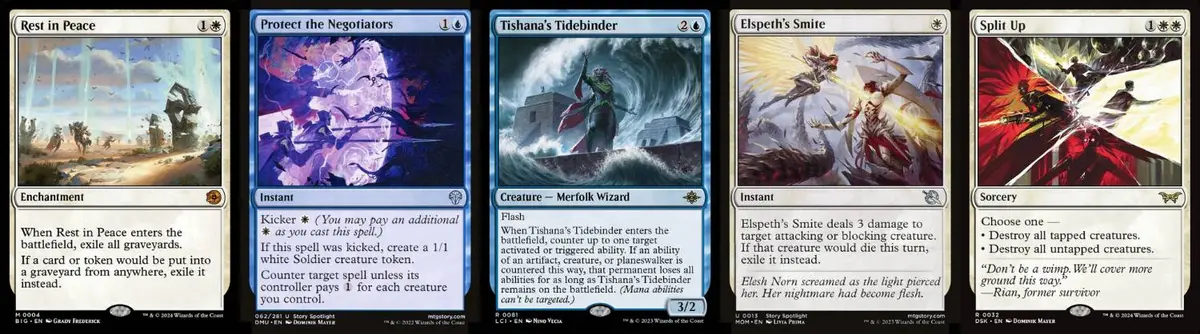
- Rest in Peace - Effectively hits graveyard-reliant decks like Azorius Oculus and Simic Crab, or the recently popular Omniscience.
- Protect the Negotiators - Counters big sweepers such as Temporary Lockdown and Sunfall. Kicker can also make a 1/1 Soldier, so for an Aggro deck it’s basically a strong flexible card that both builds the board and protects it.
- Tishana’s Tidebinder - Can counter activated abilities such as Zur, Eternal Schemer’s, or the death trigger of Enduring Curiosity, and so on.
- Elspeth’s Smite - Made for Red Aggro and Dimir. The exile effect can handle the enchantment creatures from DSK that return when they die (Enduring XX), and cards that hit you in the face on death like Heartfire Hero.
- Split Up - A super three-mana sweeper. Using the ability of Warden of the Inner Sky lets you get around it, reducing the sweeper’s impact on our side.
Matchups (Sideboarding and Notes)
Mono-White Tokens / Domain

The worst matchup. Protect the Negotiators counters their sweepers. Destroy Evil and Tishana’s Tidebinder can be used depending on the situation. If the Domain deck is the Zur version, save them for Zur first rather than using them to take out enchantments. Against them you must end the game as early as possible. If you unfortunately drag into the late game, Cryptic Coat can still win you the match, but dragging on is usually unfavorable, as the card disadvantage gets worse and worse.
Dimir Midrange
| Side Out | Side In |
|---|---|
-1 Steel Seraph | +2 Elspeth's Smite |
-3 Sheltered by Ghosts | +1 Split Up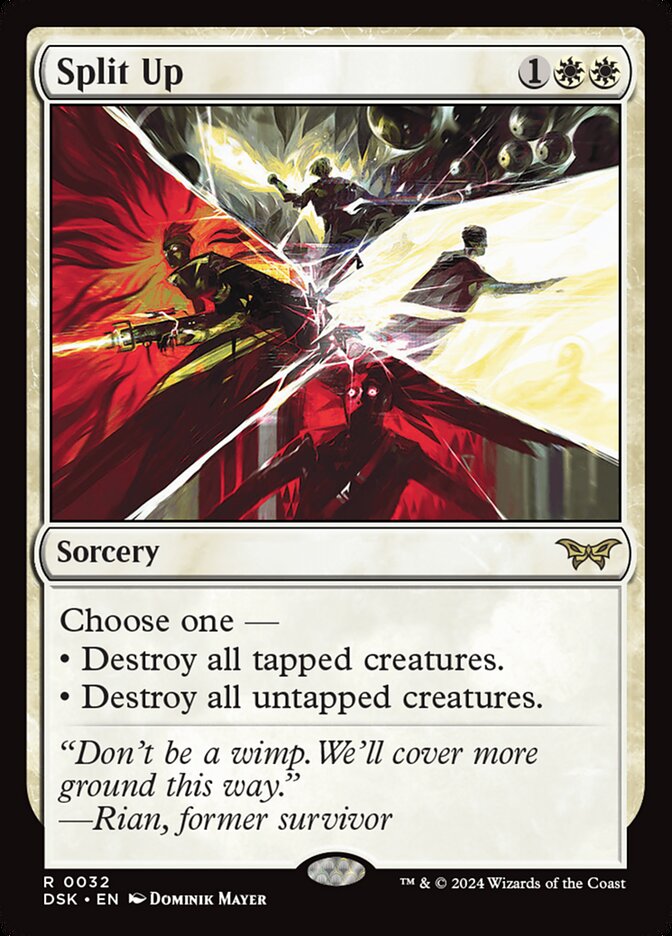 |
-1 Dusk Rose Reliquary | +2 Protect the Negotiators |
-1 Cryptic Coat | +1 Tishana's Tidebinder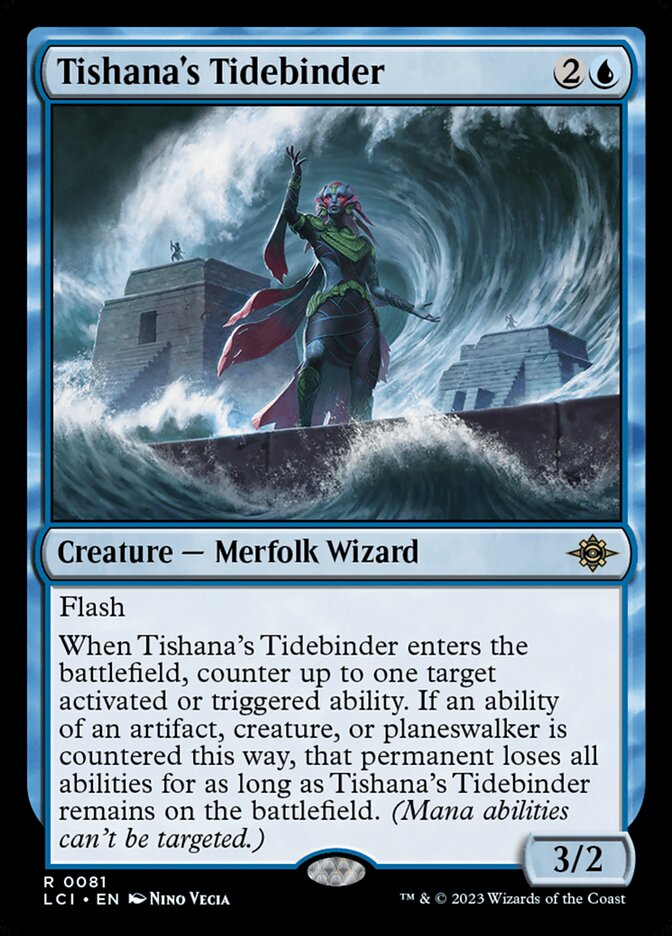 |
Early on, try not to leave any creatures on the opponent’s board, so they can’t jump to Kaito on turn 3. If they don’t dare to cast Enduring Curiosity (the blue cat) on turn 4 to draw a ton of cards, your win rate goes up a lot.
Golgari Midrange
| Side Out | Side In |
|---|---|
| -1 Steel Seraph | +2 Destroy Evil |
| -3 Sheltered by Ghosts | +1 Split Up |
-1 Virtue of Loyalty // Ardenvale Fealty | +4 Protect the Negotiators |
| -1 Dusk Rose Reliquary | |
| -1 Cryptic Coat |
Protect the Negotiators mainly answers their sweepers, and Destroy Evil answers big creatures. Basically, guard against the opponent’s board wipes while quickly flooding the board yourself; they scramble to keep up and get killed by creatures they couldn’t fully remove. Aim to avoid dragging into the late game. As for creatures, just watch out for the opponent’s Glissa Sunslayer and don’t let it slow your tempo; you can use Mockingbird to copy it, or use Floodpits Drowner to tap it down and take it away.
Boros Aggro / Red Aggro / Rg Aggro
| Side Out | Side In |
|---|---|
-2 Enduring Curiosity | +2 Elspeth's Smite |
| -1 Cryptic Coat | +2 Split Up |
-1 Floodpits Drowner |
The Bunny and Sheltered by Ghosts are the win conditions. The Bunny quickly gets too big for the opponent to block. Sheltered by Ghosts can go on creatures with good toughness (the Bunny, Steel Seraph) or on fliers. The deck also has Elspeth’s Smite, Split Up and Dusk Rose Reliquary, so it’s basically a favorable matchup.
Conclusion
This deck is relatively obscure and uncommon in the current environment, and it wasn’t my first choice at first. For this season’s MITQ, I first picked Dimir Tempo and Mono-White Tokens, and only switched to Azorius Aggro at the end. The deck didn’t take shape from the start either; I tried Leyline Axe, but the win rate wasn’t very stable. After adjusting, I found that without the Axe the mana curve is steadier and the win rate improved somewhat. When things aren’t going smoothly, you can switch to other decks and try more things; you may get unexpected results!
Thanks for reading.
- Title
- Not Convoke, Aggro: A Standard Azorius Aggro Deck
- Author
- Weihow
- Created at
- January 16, 2025
- License
- This work is licensed under CC BY-NC-SA 4.0 .