Avatar: The Last Airbender - Mechanics Explained

Note: This article was translated from Chinese by AI and may contain errors. Read the original Chinese version.
Translation Notice
As of the completion of this article, there is no officially sourced Traditional Chinese translation information for the new set, and there may never be. The translations of the new mechanics (the four-element bending) currently follow 大學院廢墟. If official Traditional Chinese names are announced in the future, this article will be updated.
Airbend
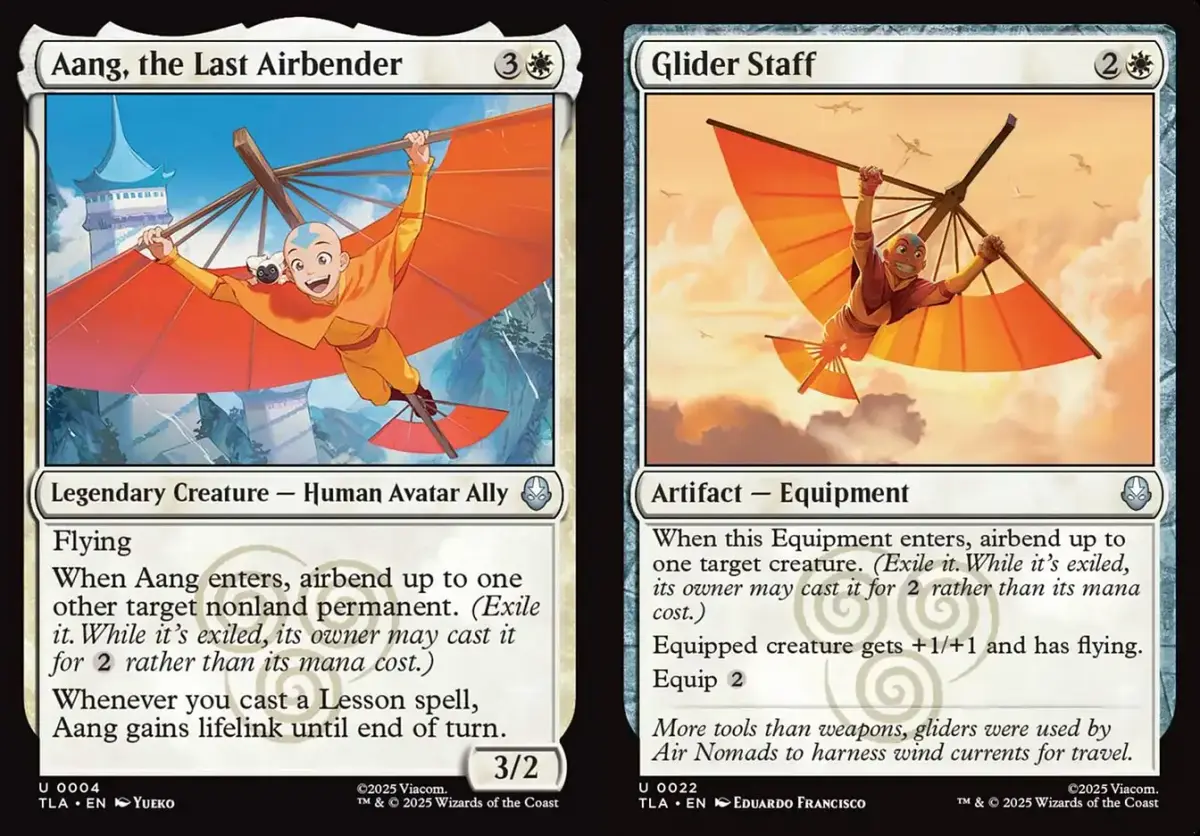
Airbend is a keyword action. Airbend can target a permanent or a spell and exile it. For as long as that card remains exiled, its owner may cast it by paying {2} rather than paying its mana cost.
Since a card exiled by airbend can only be cast, if a land card is exiled by airbend, that card is stuck in exile for good.
Waterbend

Waterbend always includes a mana cost and requires the player to pay that cost in a specified way. A waterbend cost can be an additional cost to cast a spell, part of an activated ability’s cost, or designed as any cost that requires paying mana.
To pay a waterbend cost, you must pay the specified mana, but for each {1} in the cost, you may tap an untapped creature or artifact you control instead of paying that mana.
Firebending
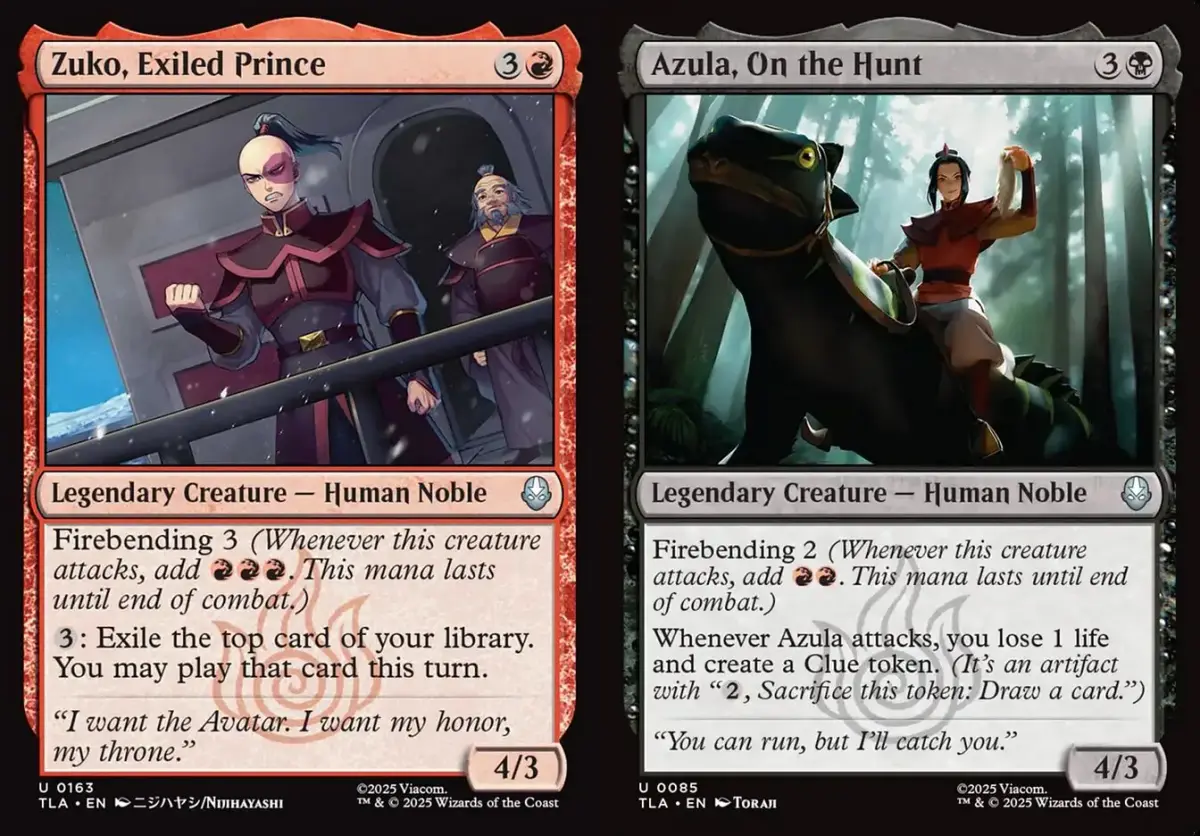
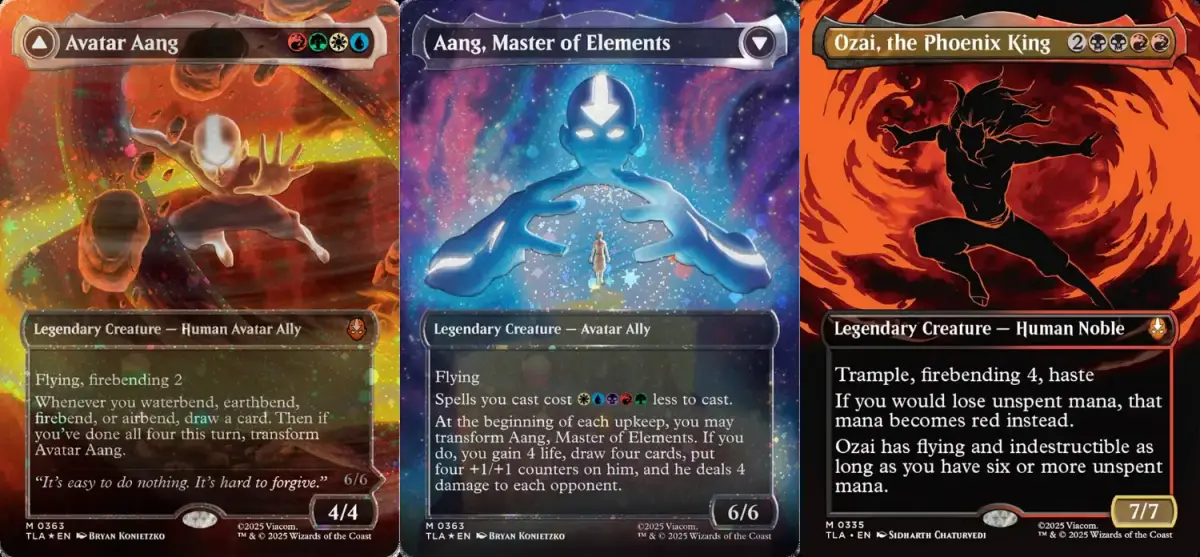
Firebending is followed by a number N. Whenever a creature you control with firebending N attacks, you add N red mana, and this red mana doesn’t empty as steps change during the combat phase. When the combat phase ends, the red mana empties, so you will no longer have it when you enter the second main phase.
Firebending and Commander Color Identity
Although a red mana symbol appears in the text box of a card with firebending, if you look closely you’ll find that the red mana symbol appears inside the reminder text, and reminder text isn’t counted when determining a card’s commander color identity:
- 207.2a Reminder text is italicized text in parentheses that explains the rules of a card. It is usually printed on the same line as the relevant ability, but it may also stand alone on its own line when it relates to the card rather than to a single ability.
- 903.4c Rules text reminders are ignored when determining a card’s color identity.
Take the black creature on the right of the example: although a red mana symbol appears in its text box, it is only part of the firebending reminder text, so the card isn’t judged to have a red color identity. Its color identity is still pure black.
Earthbend
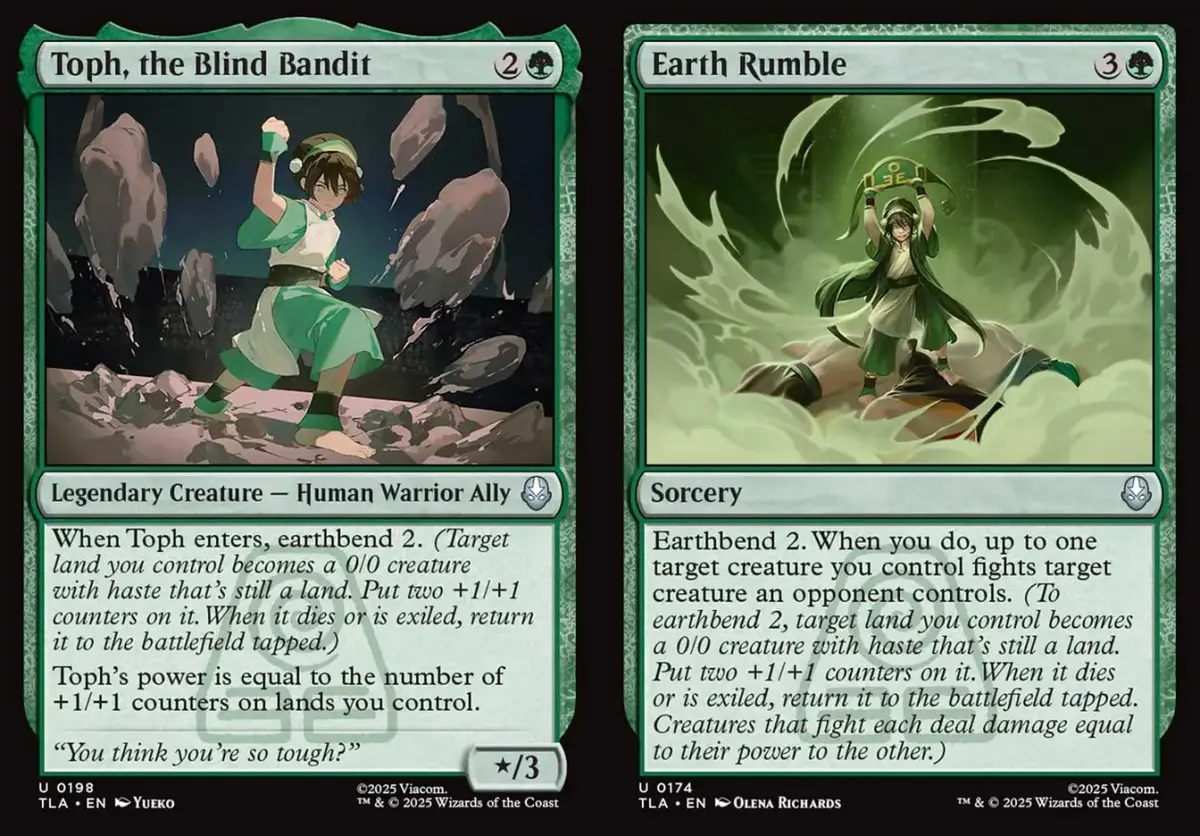
Earthbend is followed by a number N. When you earthbend N, choose a target land you control. When earthbend resolves, that land becomes a 0/0 creature with haste that’s still a land, and then you put N +1/+1 counters on it. When that land dies or is exiled, return it to the battlefield tapped under your control. It should be emphasized that your here doesn’t refer to the land’s controller or owner, but to the controller of that earthbend ability.
PS: “When that land dies or is exiled, return it to the battlefield tapped under its controller’s control.” This doesn’t give the land creature this ability (a Layer 6 effect: ability adding and removing effects, see Layer), but is a delayed triggered ability created by an effect acting externally on this object. So even if you somehow make the earthbent land creature lose all abilities, it will still return when it dies or is exiled.
Earthbend Synergies
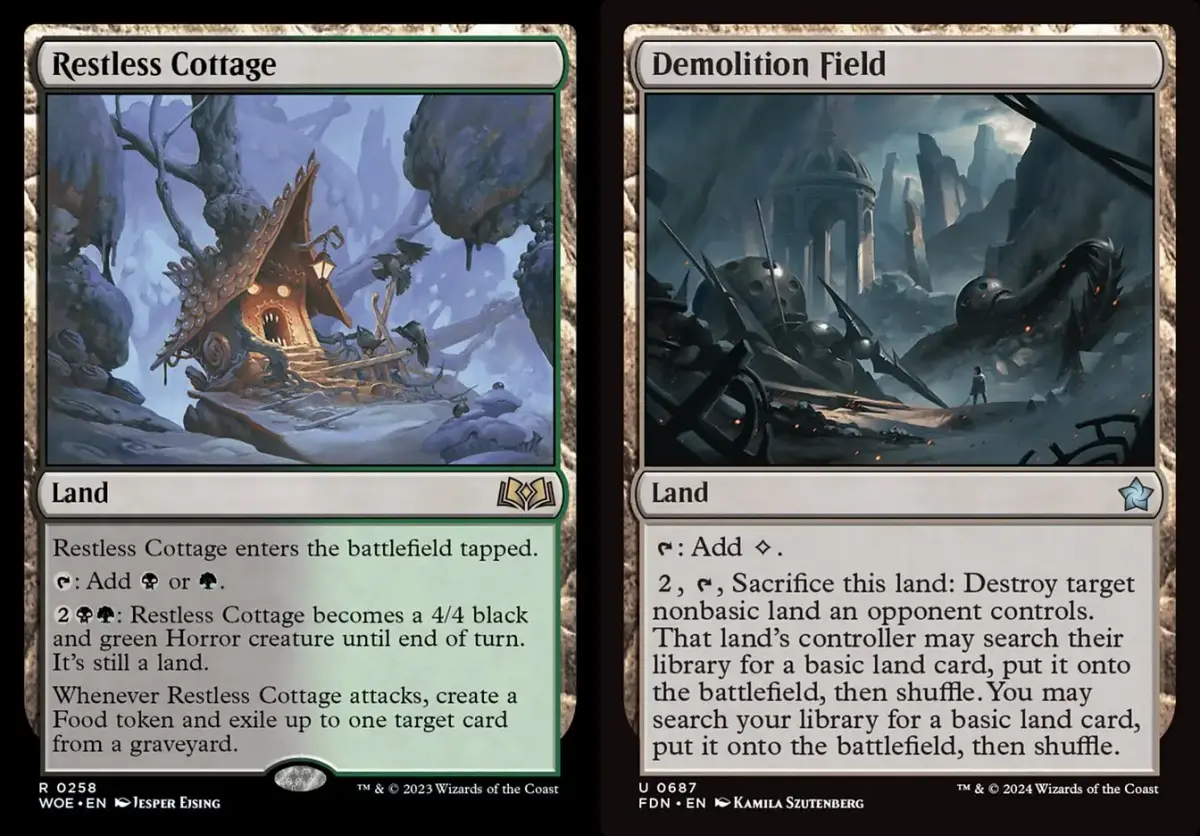
Earthbend works very well with the two-color transforming lands from WOE and LCI, because these lands trigger their ability simply by attacking, and it doesn’t matter whether they became creatures through their own activated abilities. It also pairs well with lands that activate abilities by sacrificing themselves, such as Demolition Field.
Lesson
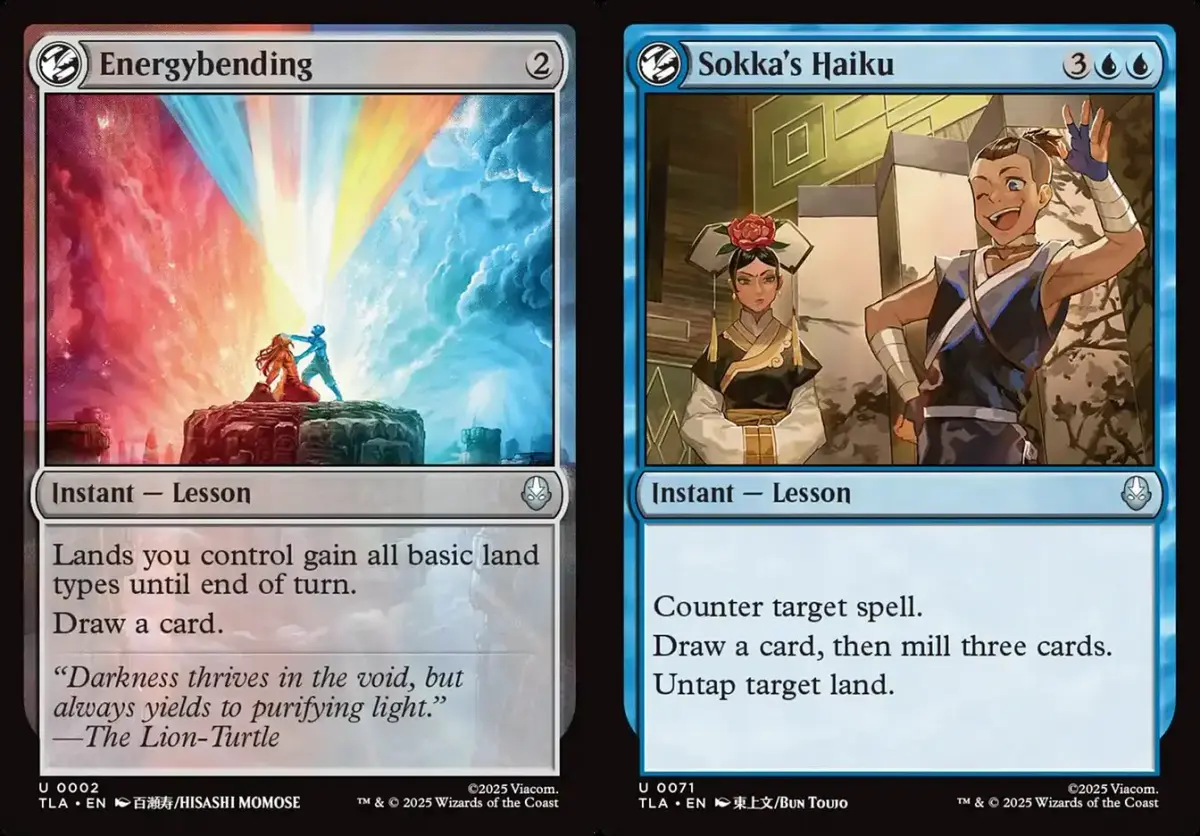
Lesson is merely a card subtype and carries no special rules. In the past it was used together with the Learn ability in Strixhaven, but this set has no cards with Learn.
Many individual cards in this set have effects related to Lessons, but there is no designated keyword mechanic tying them to Lesson synergies.
Exhaust
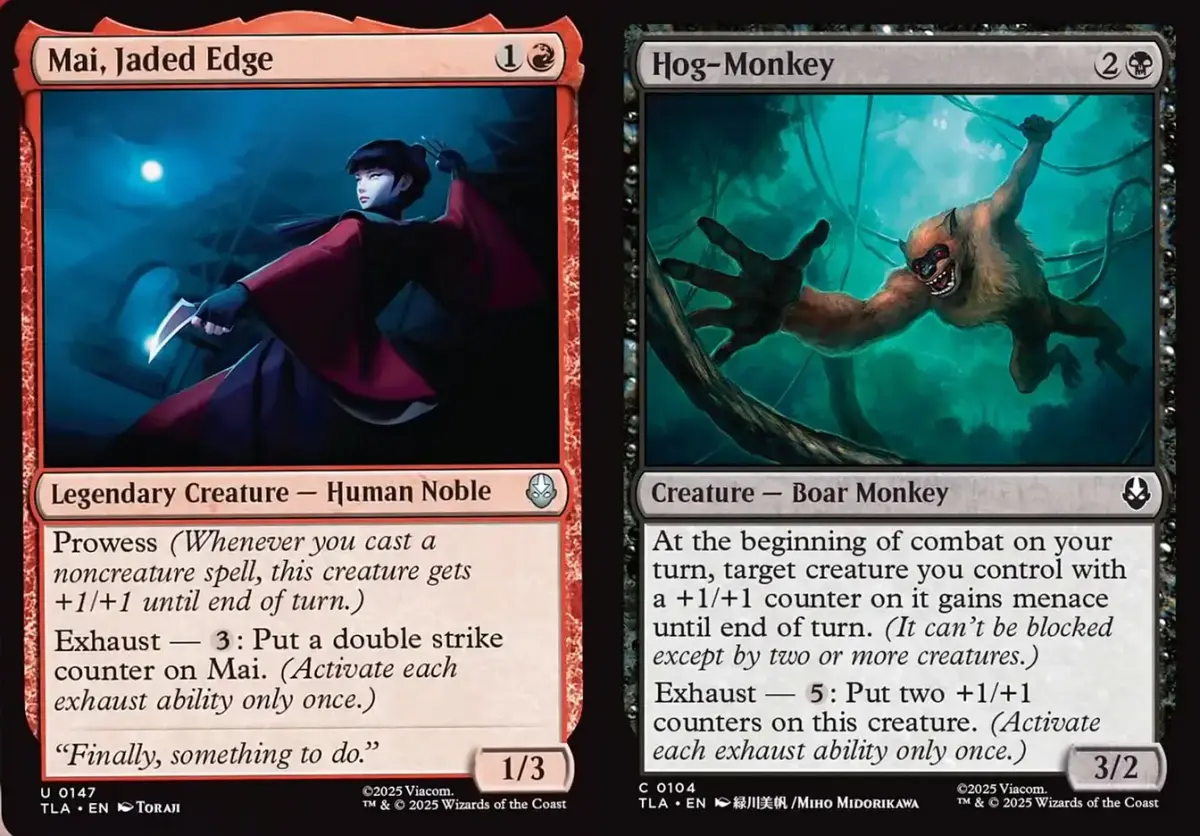
Exhaust is an ability that appeared recently in Aetherdrift, and it returns in small numbers in this set.
Exhaust is an activated ability with an additional restriction: the same exhaust ability on the same object can be activated only once, and different objects don’t affect each other. If you make a permanent that has activated its exhaust ability leave the battlefield and re-enter, it is a new, separate object and can activate its exhaust ability.
Experience Avatar Limited
Prerelease events for Avatar: The Last Airbender begin on November 14, 2025. Head to a nearby store to try out the new set!
- Title
- Avatar: The Last Airbender - Mechanics Explained
- Author
- Jru
- Created at
- October 31, 2025
- License
- This work is licensed under CC BY-NC-SA 4.0 .