Avatar: The Last Airbender (TLA) Limited Overview: TLE

Note: This article was translated from Chinese by AI and may contain errors. Read the original Chinese version.
Avatar: The Last Airbender holds its prerelease events on November 14, 2025. Want to learn more about card ratings and advice for Limited? Then check out this series of TLA Limited overviews!
- For the mechanics, see this article: Avatar: The Last Airbender Mechanics Explained
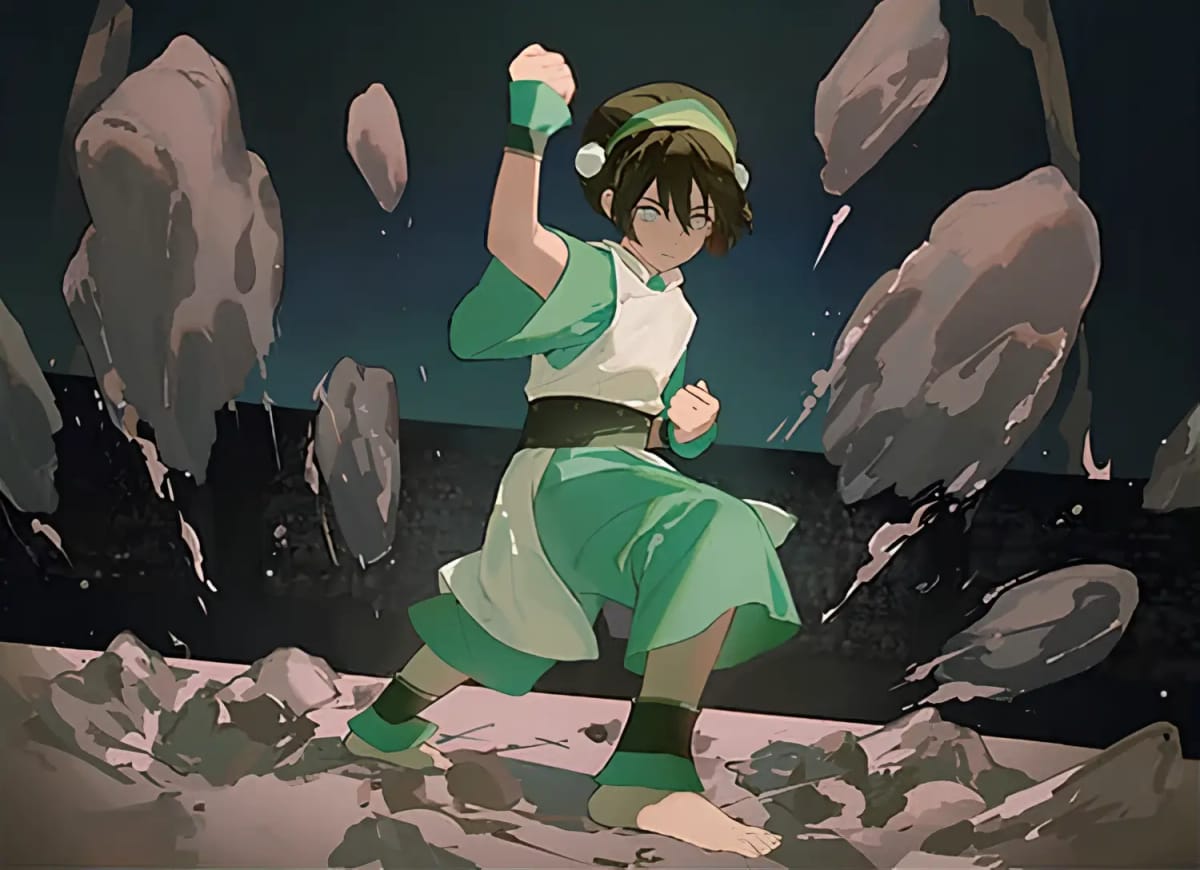
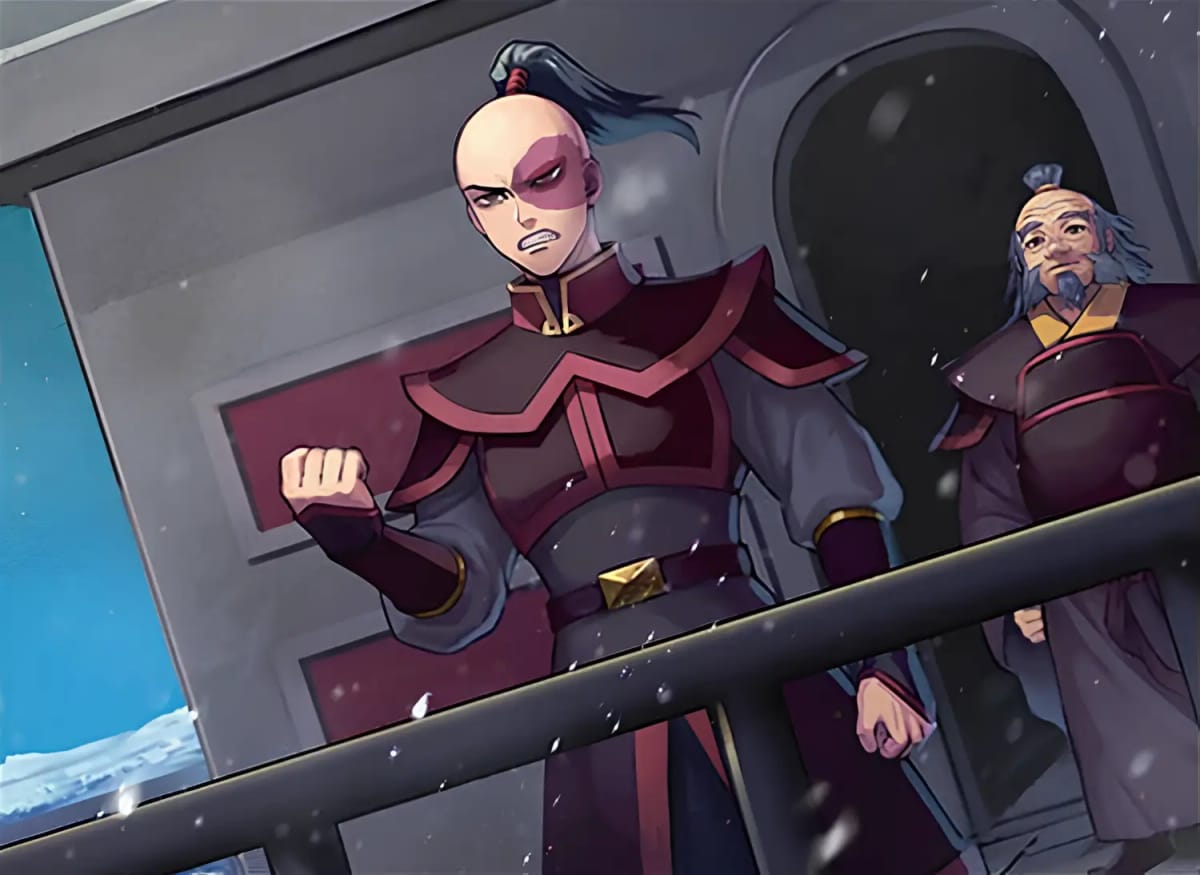
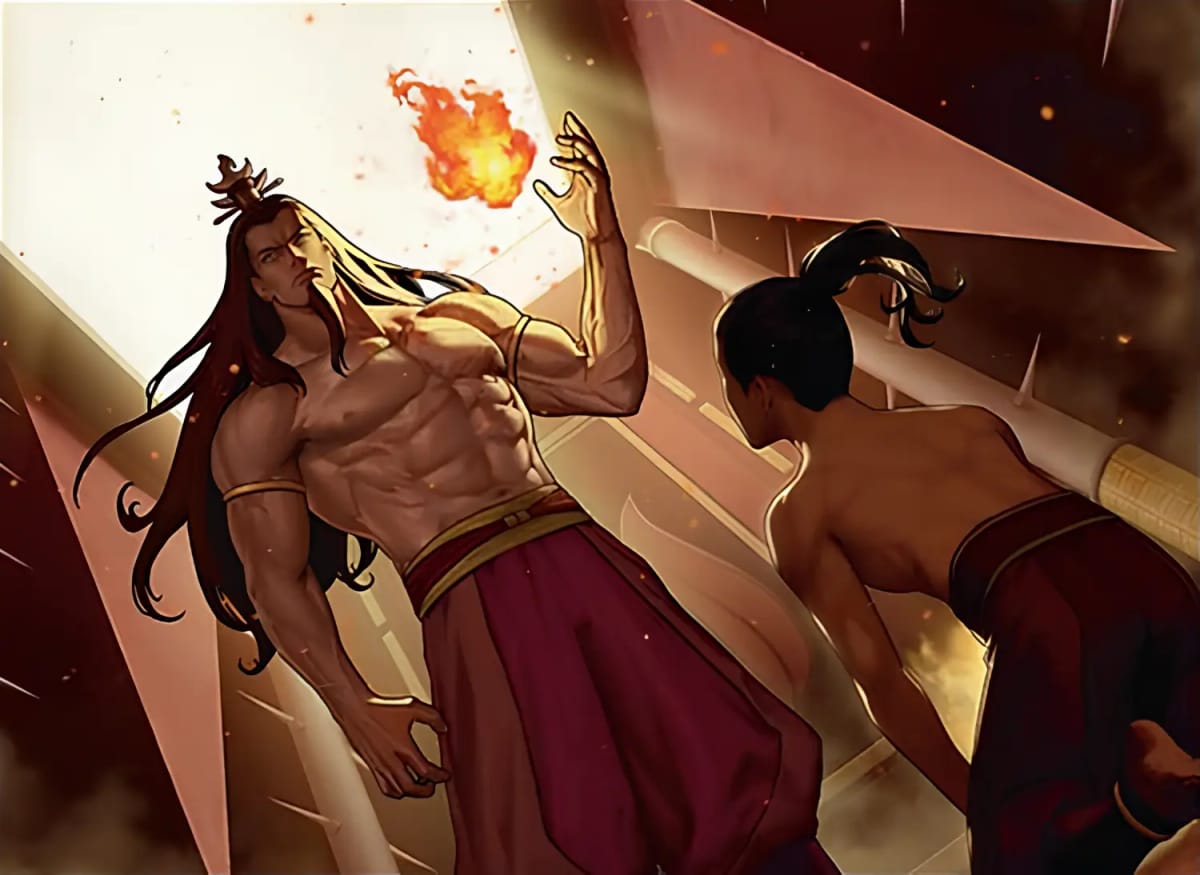
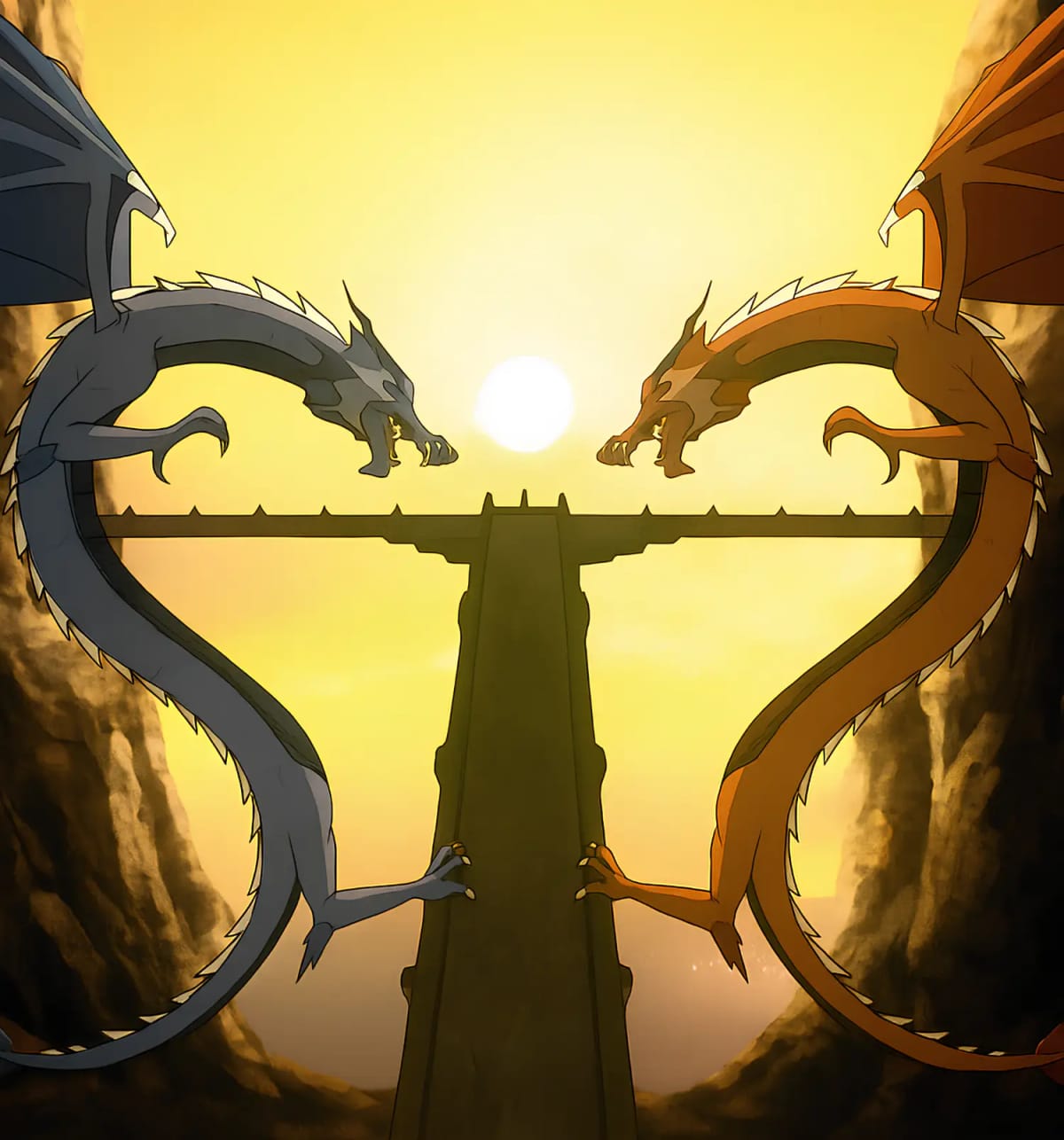
Avatar: The Last Airbender Eternal (TLE) is a supplementary subset of the main set TLA. It contains 61 borderless non-foil cards called Source Material, made from anime screenshots, and you can open one in every 26 regular Play Boosters. They can be used in TLA Limited, as well as in the corresponding formats where the card was originally legal.
In addition, these 61 borderless versions have an extra Easter egg: at the very bottom of the card, to the right of the language abbreviation, there’s a coordinate that lets players look back at which season and episode of the anime the screenshot comes from.

Take this Force of Negation as an example. The scene is from the last episode of the anime’s third season, where Aang, awakened as the Avatar, takes away Ozai’s bending. Here’s how to read the coordinates:
- “B” stands for Book, meaning which season. B3 is the third season, and there are three seasons in total
- Each season has an element as its subtitle: the first season is Water (Water), the second is Earth (Earth), and the third is Fire (Fire)
- “CH” stands for Chapter, meaning which episode. Here it’s episode 61
Alright, now readers know how to tell where a screenshot scene comes from. When you have time, go rewatch the anime! New friends are also very welcome to learn more about the story!
Rating Scale
5.0: Unconditional first pick, brings a near-winning advantage
4.5: Unconditional first pick if you’re in the right color pair, brings a huge advantage
4.0: Worth a first pick, great synergy with the color pair’s theme, can be the deciding card for splashing / switching colors or entering the color pair
3.5: Top uncommons and commons of the set and other strong enough cards, good synergy with the color pair’s theme, can be a key card for entering the color pair
3.0: Important cards for the color pair’s theme and other above-average cards, you’ll want them in your final deck
2.5: Average, usually a decent curve filler
2.0 to 1.0: Below average, basically leaning toward not playing; can be used as filler when necessary, but not too many
0.5 to 0.0: Unplayable, basically don’t play it, it will only help you lose
Ratings

Score: 2.5
Comment: Mostly it trades two creatures with the opponent without loss while yours come back unilaterally. Used well, the payoff is extremely high.

Score: 3.5
Comment: Because the main set has Airbend, this makes every Airbend the opponent uses into a removal spell. Who would have thought a card that’s extremely annoying in Commander could also do a lot in Limited.

Score: 2.5
Comment: Mostly you skip a combat phase to see if you can draw a wrath next turn.

Score: 3.5
Comment: Only artifact creatures can stand at end of turn and their numbers are limited, but as a vehicle-maker for extra damage it’s decent.

Score: 2.0
Comment: Although the cost is slightly high, you can respond when the opponent’s Earthbend land is about to come back by exiling it, effectively blowing up a land. This is the most profitable use I can think of.

Score: 3.0
Comment: White’s one-mana draw a card. If you have a creature with flash, even more profit.

Score: 3.5
Comment: Magic’s strongest self-preservation card. If the opponent all-in attacks, just cast the protection: you needn’t worry about your life total or about the opponent wiping your board afterward, and when it’s your turn next you can counterattack to win.

Score: 0.5
Comment: There aren’t many Auras in the main set, and it’s a high-cost sorcery, so using it isn’t recommended.

Score: 4.5
Comment: Stealing the opponent’s permanents is satisfying. I recommend pairing it with the main set’s Airbend to reuse it, which is quite a thrill.

Score: 3.5
Comment: Never mind whether the opponent has a big creature; whenever it’s out, just take one over first.

Score: 3.0
Comment: It’s a Clone. Remember you can also choose the opponent’s creatures.

Score: 3.0
Comment: Clone pro max. Remember it chooses a player, so if the opponent has the better board, choose them.
Score: 1.0
Comment: There are relatively few noncreature permanents in Limited, so it scores low. Remember the alternative cost’s free cast can only be used on the opponent’s turn.

Score: 2.5
Comment: It can turn the opponent’s big creature directly into a land, letting it go up to keep Emrakul, the Promised End company.

Score: 1.0
Comment: Its use is at expert level, and I don’t recommend adding it to the main deck.

Score: 0.5
Comment: Limited isn’t like Commander: noncreature spells are relatively few, so the payoff of building up value over time may not be that good, and it scores low.

Score: 0.5
Comment: A sorcery where everyone draws together. Most likely after both sides draw like crazy, all you can do is let the opponent go first and enjoy it, unless you can make the opponent draw out their library. Not recommended for the main deck.

Score: 2.5
Comment: A Clone that sidesteps the legend rule. Remember it can only copy your own creatures, and while it’s on the battlefield you can slam multiple legendary creatures with the same name to gain resources.

Score: 2.5
Comment: Strong when slammed down with a board advantage, but it kills you if you’re behind.

Score: 3.0
Comment: The main set has many activated abilities, and pairing it with them is quite good.

Score: 2.0
Comment: Mostly it’s pay one, draw one, so the payoff is relatively thin.

Score: 4.5
Comment: A repeatable sweeper. Even if the opponent’s creatures are bigger, being swept once relieves a lot of life-total pressure.

Score: 3.0
Comment: When you’re ahead it brings more value, and the opponent loses more and more life trading creatures with you.

Score: 1.5
Comment: Unless you have some card that nearly wins the game when cast, losing tempo and life to dig for cards is not very efficient.

Score: 4.5
Comment: Removal on entering and lifegain, plus evasion itself. A quality creature.

Score: 4.5
Comment: When your board is behind the opponent’s, use it at lower cost first to sweep the whole board and then slam creatures from your hand to rebuild the board. A very strong sweeper. Remember to count creatures on both sides.

Score: 1.0
Comment: Surprisingly a reprint from Portal Three Kingdoms, but it’s a bit hard to use. You’d want tokens to trade with the opponent, and this isn’t a sacrifice either, so it can’t trigger some of the main set’s abilities.

Score: 2.0
Comment: Usually in Limited the opponent won’t have many artifacts and enchantments, so the payoff is relatively low.

Score: 2.5
Comment: Although it loses a turn of tempo, the damage it brings is quite terrifying.

Score: 3.0
Comment: Everyone enjoys in turn, but at least you draw first and get to enjoy a wave first, and the number of cards drawn is considerable in Limited.

Score: 3.5
Comment: If you manage to cast it, it’s very likely a direct kill and a win.

Score: 3.5
Comment: Lightning Bolt again. I feel like it appears in every set. Plain, unadorned 3 damage deserves a high score.

Score: 4.5
Comment: When the opponent uses removal on it, copy that removal for all of its own creatures, so there’s a chance the opponent is forced to trade extra. It’s also a quality flier itself.

Score: 2.0
Comment: A burn spell targeted at a color pair.

Score: 2.5
Comment: Two damage to a creature, with the following three damage as a bonus.

Score: 1.5
Comment: Quality artifacts in the main set are few, so it’s better used as a sideboard card.

Score: 2.5
Comment: The floor is five mana for the opponent’s board plus 2 damage to a player, and you also gain an extra spell, which is quite nice.

Score: 5.0
Comment: After it enters, each creature of yours that follows either clears a creature or burns face. A huge threat.

Score: 5.0
Comment: If it arrives on time it’s super strong. Remember each creature counts as one trigger, so seven creatures attacking in a single turn completes it directly.

Score: 4.5
Comment: Paired with the many high-power creatures in the main set’s green, you can draw as you cast.

Score: 5.0
Comment: A card with even more profit than the previous one: besides producing mana itself, every one of them can grow and draw an extra card, so you’ll almost never run out of resources.

Score: 1.0
Comment: Since both sides can burst mana, it isn’t recommended.

Score: 2.5
Comment: A card that protects the whole family.

Score: 3.5
Comment: Whether drawing cards or pumping the whole team, it’s quite good, but remember it cares about non-Human creatures.

Score: 1.0
Comment: Since both sides draw an extra card and play an extra land, it isn’t recommended.

Score: 3.5
Comment: A card that effectively lets your other creatures get through.

Score: 3.0
Comment: The main set has quite a few legendary creatures, and tutoring a creature to hand without tapping or paying mana is quite good.

Score: 3.5
Comment: Finding any creature at instant speed is strong.

Score: 2.5
Comment: Although everyone draws, only the opponent loses life, so the payoff is okay.

Score: 3.0
Comment: Fits the white-green go-wide theme very well.

Score: 4.0
Comment: Koma, Cosmos Serpent is back. If it isn’t removed the turn it enters, it’s practically the end of the game.

Score: 3.0
Comment: A creature that snowballs more and more on the board; the later it goes, the more troublesome it is if not removed.

Score: 4.0
Comment: A huge creature itself. When cast it removes an opponent’s threat by turning it into a mana rock, and its graveyard-busting effect lets it hit again and remove another nonland permanent. Quite terrifying.

Score: 2.5
Comment: A mana rock that deals 2 on entering.

Score: 1.0
Comment: The main set shouldn’t have any cards that need you to end the turn to avoid side effects, so there’s no need to put it in a deck.

Score: 1.0
Comment: It can’t produce mana itself, and calling a 20/20 requires a big setup, so it isn’t recommended.

Score: 3.0
Comment: A land-fetching card that thins the deck, with almost no drawback.

Score: 3.0
Comment: Produces mana early, and in the late game when you have lots of lands you cycle it.

Score: 1.0
Comment: Since the main set has no life-loss theme, three is really too painful, so it isn’t recommended.

Score: 3.0
Comment: A walking land is strong, but note it won’t come back when it dies.

Score: 2.5
Comment: Decent as an additional win condition, though the condition may be a bit hard to meet.
Conclusion
Many old friends are reprinted here, along with some long-unseen old flames, and there are even Three Kingdoms cards, which is honestly quite impressive. The one flaw is a pity: the art is shared with the main set. But TLE’s overall power level is very high, and if you’re lucky enough to draw or open them, they will certainly bring you a great advantage.
- Title
- Avatar: The Last Airbender (TLA) Limited Overview: TLE
- Author
- T1BloodMoon
- Created at
- November 13, 2025
- License
- This work is licensed under CC BY-NC-SA 4.0 .